THE ASIAN INDEPENDENT UK
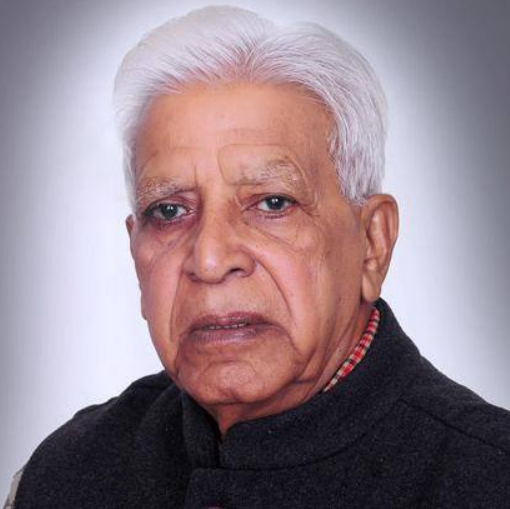
Dr Ramjilal, Social Scientist,
Former Principal, Dyal Singh College,
Karnal, (Haryana – India)
Email drramjilal1947@ gmail.com
Brief:
Education serves as a fundamental pillar for human progress, facilitating social mobility and supporting economic stability. However, many contemporary education systems worldwide are grappling with significant challenges, stemming from outdated structures, increasing inequality, and a growing disconnection from modern workforce demands. From the highly competitive examination culture prevalent in South Asia to funding disparities observed in Western countries like the UK and the US, it is evident that these systems often fall short of effectively empowering youth. As society faces rapid technological advancements and widening socio-economic gaps, it becomes essential to critically assess the structural issues affecting education and to pursue comprehensive, innovative solutions.
Expansion:
Core Issues Impacting Modern Education are as under:
1. Rote Learning and an Outdated Curriculum:
Many education systems are still anchored in an Industrial Era model established in the 19th century, which was primarily designed to produce compliant factory workers. This model emphasises standardisation, conformity, and compliance rather than fostering individuality and innovative thinking. A significant issue is the over-reliance on rote memorisation and high-stakes testing, which trains students to absorb large quantities of information solely for the purpose of regurgitation during exams. This “factory model” inhibits critical thinking and stifles curiosity, ultimately failing to prepare students for a world where adaptability and problem-solving are paramount.
2. Socio-economic Inequity and the Digital Divide:
Education is often praised as a great equaliser; however, the current state of many education systems reinforces existing privileges. Families with greater financial resources can access private education, elite tutoring, and well-funded public schools, while underprivileged students frequently find themselves in under-resourced institutions.This situation is worsened by the “digital divide”, as classrooms increasingly utilise technology and digital platforms. Students who lack reliable internet access or personal devices are at a considerable disadvantage, thus widening the educational gap.
3. Neglect of Mental Health and Well-being:
The pressure to achieve high grades, secure university placements, and outperform peers has led to a growing mental health crisis among students. Issues such as anxiety, depression, and burnout are widespread. Rather than serving as supportive environments for holistic development, many schools have transformed into high-stress settings where students’ self-worth is closely tied to their academic performance. This situation is counterproductive; chronic stress adversely affects cognitive functions, ultimately undermining the very academic success that the system demands.
4. Devaluation and Underservicing of Teachers:
The quality of any education system hinges on its teachers. Unfortunately, many educators today face significant challenges, including inadequate pay, excessive workloads, and administrative burdens. When society fails to value educators both financially and socially, it discourages talented individuals from pursuing teaching careers and drives experienced professionals to leave the field prematurely. As a result, classrooms become overcrowded, teachers experience burnout, and the overall quality of instruction declines.
5. Disconnect Between School and the Real World:
Despite graduating with vast theoretical knowledge, many students lack essential life skills. Traditional curricula frequently overlook practical subjects, such as financial literacy, emotional intelligence, civic responsibility, and basic digital hygiene. Additionally, vocational training and skilled trades are often unfairly stigmatised as paths for those who do not excel academically. This academic bias has contributed to a significant skill gap, leaving various industries in need of technicians and skilled workers, while many university graduates find themselves underemployed.
In summary, these core issues call for a revaluation of current education systems and the development of strategies designed to create a more equitable, relevant, and effective learning environment for all students.
Actionable Solutions for a Better Tomorrow in Education:
1. Shifting to Skills-Based, Experiential Learning:
To prepare students for success in the mid-21st century, educational curricula need to transition from traditional rote memorisation to a focus on critical thinking skills. Authorities in education should move away from high-stakes rote testing and instead adopt continuous, project-based assessments. This approach should prioritise the “Four Cs”: critical thinking, communication, collaboration, and creativity. By fostering an interdisciplinary environment that combines subjects like science and social studies, schools can engage students in real-world problem-solving, addressing relevant issues such as local environmental challenges.
2. Democratising Access and Funding Equity:
To achieve equity in education, governments must restructure funding systems to allocate resources effectively. This involves providing enhanced support—such as high-quality teachers and advanced facilities—to historically marginalised communities. Additionally, to bridge the digital divide, high-speed internet should be recognised as a public utility, ensuring every student has access to a digital device and the necessary skills to use it safely. Investing in early childhood education is also essential so that disadvantaged children begin primary school on equal footing with their peers.
3. Prioritising Holistic Well-being and Emotional Intelligence:
Integrating mental health support directly into the school experience is crucial. Educational institutions should adopt social-emotional learning (SEL) programmes that teach essential skills such as resilience, empathy, and mindfulness. Reducing assessment pressures can create a more supportive atmosphere, and having sufficient counselling staff available in schools is vital. By fostering environments that focus on mental and emotional well-being, schools can contribute to producing happier, more resilient students who are better equipped for success.
4. Elevating the Teaching Profession:
To achieve a high standard of education, it is imperative to view teachers as professionals deserving of respect and competitive compensation. Offering salaries that align with other prestigious professions, such as engineering and law, is essential. Moreover, reducing bureaucratic obstacles allows educators to concentrate on teaching. Continuous professional development opportunities, particularly in integrating AI and digital tools, should be fully funded to keep teachers updated on the latest pedagogical advancements.
5. Destigmatising Vocational Education and Reclaiming Life Skills:
Breaking down the perception that university education is superior to vocational training is crucial. Schools should forge strong partnerships with local industries to provide apprenticeships and clear pathways into skilled trades from secondary education. Furthermore, including practical life skills, such as financial management, understanding legal rights, and promoting Physical wellness should become essential components of graduation requirements.
Conclusion:
The current education system faces significant challenges, but these are not beyond solutions. Educational reform is essential for societal progress and is not merely a partisan issue. The future demands a generation skilled in navigating complex challenges, such as climate change and ethical concerns surrounding artificial intelligence. By moving away from outdated, rigid educational models and investing in equity, critical thinking, teacher support, and student well-being, we can create an education system that lives up to its potential. The global community’s future relies heavily on the quality of education we provide today.