

THE ASIAN INDEPENDENT UK

Bal Ram Sampla
Geopolitics
When a conflict or a military attack happens, finding the absolute truth can be very difficult. This is because both sides in a fight often tell different stories to make themselves look stronger. We can see this happening clearly in two recent events: the July 2026 ambush in Balochistan and the 2025 military clash known as Operation Sindoor.
The Battle of Numbers in Balochistan
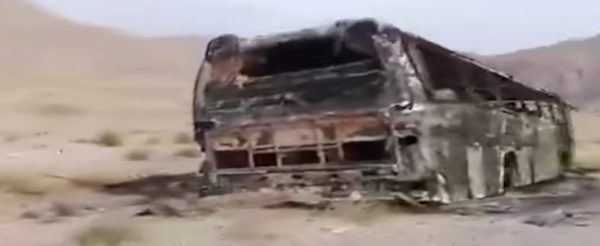
Recently, an armed group called the Baloch Liberation Army (BLA) attacked a Pakistani military convoy on a major highway. Immediately after the attack, two very different stories came out:
The BLA claimed they killed or injured more than 45 soldiers. They wanted to show that they are powerful and winning their fight.
The Pakistani government reported a much lower number, saying only a few people died.
Because the military controls the area and does not let independent reporters travel there, it is hard for the public to know the exact truth. This is a classic example of how war is not just fought with weapons, but also with words and news.
Understanding “Operation Sindoor”
This habit of hiding or changing facts is not new. During Operation Sindoor in May 2025, India launched strikes against terror camps inside Pakistan. Just like in the Balochistan attack, the public was given two opposite stories:
Independent satellite pictures showed that specific camps were hit.
The Pakistani military claimed the strikes only hit empty fields, trying to show that the attack failed.
At the same time, Pakistan claimed their own return attacks did massive damage to Indian bases, which independent experts later found was not true.
Why Do Militaries Control the News?
Governments and armies control information for a few simple reasons:
To keep up morale: If soldiers and citizens think they are losing, they will lose hope.
To look strong: No military wants to look weak to its neighbors or its own people.
To stop the other side from celebrating: If an army admits it lost many soldiers, it gives the enemy a psychological victory.
Conclusion
In any conflict, the first thing that gets lost is the truth. Whether it is a local highway ambush or a major international clash like Operation Sindoor, we cannot always trust the first numbers we see on social media or in official statements. To find the truth, we must look closely at independent reports, satellite images, and recognize that both sides are trying to win the battle of words.
Source:
1.https://youtu.be/cZkI6aKMJsc?si=_RGPKzM4221RUL17
2.https://thebalochistanpost.net/2026/07/bla-says-more-than-45-pakistani-soldiers-killed-in-ongoing-mastung-attack/