

By: Surjit Singh Flora

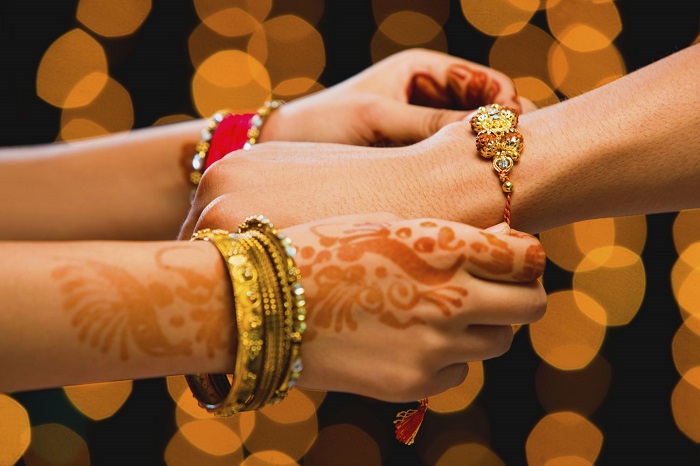
(Asian independent) Raksha Bandhan is on Friday, August 28, 2026. The traditional Indian festival celebrates the loving bond between brothers and sisters, as siblings exchange gifts, share blessings, and reaffirm their family ties.
A Rakhi is easy to tie. The promise behind it is harder to hold. Raksha Bandhan goes beyond a weekly ritual and gifts. At its strongest it is a promise for women’s dignity, freedom and empowerment, not to have a license to control their lives.
This festival urges families to trust instead of suspicion and partnership rather than paternalism. That is when a small thread gets its real weight.
Raksha means protection, but that word can’t stop at a brother’s promise. It is dignity, rights, consent, choices and freedom to study, work, travel, speak and live without fear.
The “thread of protection”, a ritual protective thread, could be a precursor to the Rakhi. Raksha Bandhan has many traditions, not just one proven origin. Draupadi and Krishna is a devotional story of reciprocal care. The story of Rani Karnavati sending a Rakhi to Humayun is a popular legend, not settled evidence. Old thought portrays men as protectors and women as people who need protection.
That frame is too small. Brothers, sisters, parents and communities are responsible for respectful relationships. Love is hollow if it turns into surveillance, restrictions or ownership. A Rakhi should be freely given and freely accepted, a sign of consent and trust. Care that restricts a woman’s choices is not protection. It is control with a better packaging.
A meaningful pledge for women’s dignity, freedom, and empowerment has real power. It backs a woman’s education, career, enterprise, research, art, public service, and personal decision making. Economic independence matters.
Freedom of speech, access to the same job, equal opportunity, financial literacy and a voice in the decisions of the family, too. So does digital safety.
Families should fight cyber harassment, privacy violations, online pornography and the misuse of private images. Many women’s are still a symbol of women’s education and social courage. Their work rejected the idea that learning belonged to one gender. Women scientists, pilots, athletes, civil servants, entrepreneurs and military personnel take that argument into public life. They are not passive recipients of safety. They build and protect society every day.
Families can give daughters and sons equal chances. Boys need to understand that freedom and consent are not gifts from men. They are rights. The same standard must be followed when harassment, violence, humiliation, discrimination or harassment occurs at home, school, work or online.
National security is also at home with safe families, educated citizens, compassion and values. Self-restraint is just as crucial. Fear, anger, greed, ego, jealousy, and hatred often are the first things to defeat.
Raksha Bandhan wants more than a ceremonial vow. True protection is protection of rights not freedom. It is partnership, not paternalism and respects strength, not weakness. One of these threads can hold a lasting commitment to equality, self-respect, mutual care, mutual respect and a more humane India.