

Balram Sampla

Geopolitics
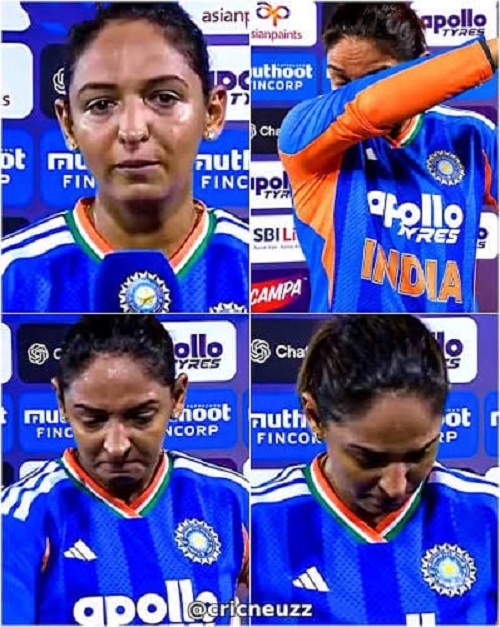
(Asian independent) When Smriti Mandhana officially stepped into the captaincy role, social media buzzed with reports of a rift between India’s two star players. The chatter grew louder when Harmanpreet Kaur broke down in tears after her explosive match-winning knock against Zimbabwe in Raipur.
While many framed her emotion as locker room friction, a honest look at her career tells a simpler story: it was time for a change.
Harmanpreet Kaur will go down as one of Indian cricket’s legendary figures, especially after guiding India to a historic ODI World Cup title in November 2025. However, the ideal fairytale ending should have happened right then. Winning the World Cup was the absolute peak moment to step aside on a high and hand the reins over to the next generation.
Instead, holding onto the leadership role across formats exposed an uncomfortable truth about her recent T20 form and consistency.
The Reality of Her Batting Form
Harmanpreet’s modern T20 game has faced growing criticism from cricket analysts for good reason:
(1) Slow Starts Put Pressure on Others
In T20 cricket, top and middle-order batters cannot afford to waste overs getting set. Harmanpreet’s recent approach often involved starting slowly, leaving younger batters like Richa Ghosh and Shafali Verma to carry the heavy lifting for the team’s run rate.
(2) Inconsistent Performances
Outside of a few brilliant innings, her performances over the past year have been indifferent at best. Prior to her 91 not out, against Zimbabwe, she endured a 10-match lean patch without a single half-century.
(3) Carried by Team Success
India’s deep batting lineup and strong bowling performances often masked her personal slump. While the team kept winning, her individual numbers in the shortest format simply didn’t justify her spot as a top-order anchor.
The Right Move for Team India
The decision by the board and senior players to transition the captaincy to Smriti Mandhana was the correct call. Mandhana represents the modern, aggressive mindset required in contemporary white-ball cricket.
Stepping down or being prompted to step down from T20 leadership allows Harmanpreet to shed the immense pressure of captaincy.
Her emotional reaction in Raipur was less about any personal rift with Mandhana and more about the raw relief of finally scoring runs freely again without carrying the entire team on her shoulders.
A Rejuvenated Role Ahead
Rather than dwelling on social media rumors of personal friction, Indian cricket benefits most from seeing this transition clearly. Harmanpreet Kaur achieved great things as a captain. But bowing out of leadership after the World Cup would have saved the team months of awkward tactical friction.
Now, with Smriti Mandhana firmly in charge of a young, dynamic team, Harmanpreet can focus on doing what she does best: playing unburdened, aggressive cricket as a senior batter in the middle order.