THE ASIAN INDEPENDENT UK

Bal Ram Sampla
Geopolitics
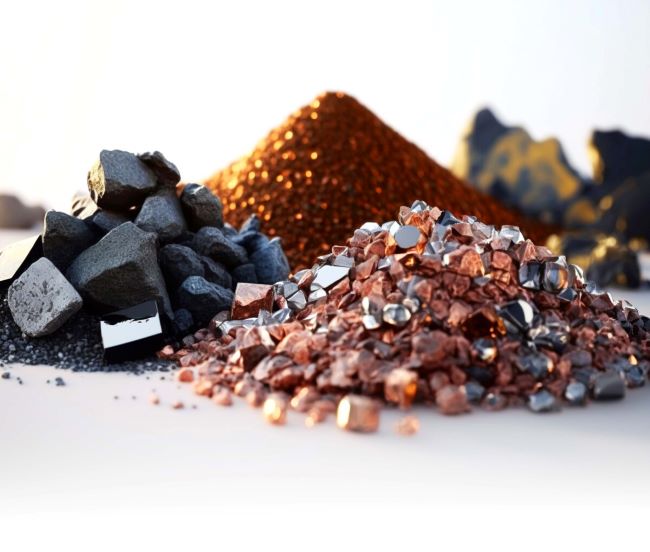
When we think of modern warfare or high-tech industries, we usually think of stealth fighter jets, advanced microchips, and missile defense systems. But none of these can exist without a handful of obscure chemical elements called critical minerals.
Three minerals, in particular, are at the center of a global tug-of-war:
(1) Gallium: Crucial for building military radar systems and advanced microchips.
(2) Germanium: Essential for night-vision goggles and fiber-optic communication.
(3) Antimony: A vital ingredient for making armor-piercing ammunition and explosives.
Right now, China holds a near-monopoly on these minerals. It doesn’t just mine them, it controls the highly specialized factories needed to refine them into industrial-grade materials.
China Restricts Export of Minerals
Over the last few years, China has increasingly restricted the export of these minerals. They require special licenses to ship abroad, and Beijing has banned selling them to the U.S. military.
Because there are no quick substitutes, these restrictions have sent shockwaves through the global defense industry. Prices for some of these minerals have skyrocketed by 300% to 400%. If a country wants to build modern radar or ammunition, they are largely at the mercy of China’s supply chain.
The U.S. and India Team Up
This massive vulnerability is exactly why U.S. Secretary of State Marco Rubio recently met with Indian National Security Advisor Ajit Doval in New Delhi. The two democratic allies are trying to figure out how to break China’s chokehold.
This highlights a unique opportunity, and a major hurdle, for India:
(1) The Good News: India actually possesses significant natural reserves of several critical minerals.
(2) The Bad News: Having rocks in the ground is only half the battle. India currently lacks the advanced chemical infrastructure and technology required to purify and refine these raw minerals into the high-grade materials that tech and defense companies can actually use.
Rebuilding the Supply Chain
To bridge this gap, the U.S. and India are launching joint initiatives like the TRUST framework and a bilateral Critical Minerals Pact.
The strategy is simple: combine American tech and funding with India’s raw resources and manufacturing potential. By helping India build its own domestic refining capabilities, the allies are trying to create a secure, alternative supply chain—ensuring that the technology of the future doesn’t rely on a single country turning the tap on or off.
References
1.https://anderseninstitute.org/chinas-export-control-architecture-and-its-use-of-critical-minerals-as-strategic-pressure-points/?hl=en-GB
2.https://www.csis.org/analysis/chinas-antimony-export-restrictions-impact-us-national-security?hl=en-GB
3.https://www.sarkaritel.com/rubio-doval-talks-focus-on-defence-strategic-tech-cooperation-as-india-us-ties-deepen/?hl=en-GB