THE ASIAN INDEPENDENT UK

Bal Ram Sampla
Geopolitics
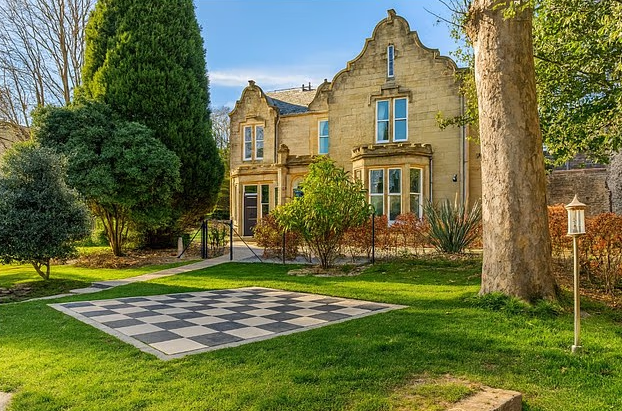
This summer, a small student residence in Dundee, Scotland, became the centre of a national debate. Rose House, a 20-room hall of residence, made history by becoming the first student accommodation in the UK to allow only halal food and ban alcohol on its premises. What might have seemed like a niche housing decision quickly turned into a heated argument about religion, fairness, and what “inclusion” really means.
What Happened
The hall is run by a company called ILM Student Halls, which serves students attending Dundee’s three universities, as well as students from St Andrews. The building enforces two rules: no alcohol, and all food in shared kitchens must meet halal standards, meaning pork and alcohol-based cooking are off-limits. The company markets itself as offering a “quiet, alcohol-free, respectful environment” for students who want it, and it advertises itself as Britain’s first dedicated halal student accommodation.
The Backlash
Not everyone welcomed the news. A Reform UK politician in the Scottish Parliament, Mark Simpson, publicly declared he was “completely opposed” to the halls and vowed to “fight to get it cancelled.” A local councillor went further, calling it “blatant segregation” and comparing it, controversially, to the idea of “whites-only” housing. Critics argue that building accommodation around a single religion’s dietary rules effectively sorts students by faith, even if that is not the stated intention.
The Defence
The hall’s owners push back strongly against this framing. They point out that the majority of current residents are actually Christian, not Muslim, and that people of “various faiths and none” already live there. In their view, the halls are simply offering a lifestyle choice, similar to alcohol-free or quiet-study housing that already exists at many universities. They also note that Catholic and Jewish-affiliated student housing already exists elsewhere in Britain without the same outcry. The company says the controversy has led to online abuse and even threats against the building.
Why It’s Complicated
Both sides have a point worth taking seriously. On one hand, private companies offering specialized housing vegetarian, quiet, faith-friendly, alcohol-free , is not new, and students are free to choose it or not.
On the other hand, the way the halls are marketed, including promotional material aimed specifically at Muslim students and language about the accommodation being tied to religious practice, makes it harder to see the halal-only rule as purely a “lifestyle preference” rather than a faith-based one. That tension, between how a policy is legally structured and how it is culturally perceived, is really at the heart of the disagreement.
Conclusion
The Rose House controversy is less about food than it is about identity, belonging, and how much a private business should be allowed to shape a living environment around one group’s needs. It raises a genuinely difficult question: where is the line between accommodating a community’s preferences and creating separation along religious lines? As student housing across Britain continues to diversify, this is unlikely to be the last time that question gets asked.
References
1.https://www.scottishdailyexpress.co.uk/news/scottish-news/dundee-halal-only-student-halls-37481377
2.https://www.scotsman.com/education/dundee-halal-students-halls-faces-violent-threats-as-reform-uk-msp-calls-for-residence-to-be-shut-down-8825809
3.https://www.aol.co.uk/articles/fury-halal-only-student-halls-232000000.html