THE ASIAN INDEPENDENT UK

Bal Ram Sampla
Geopolitics
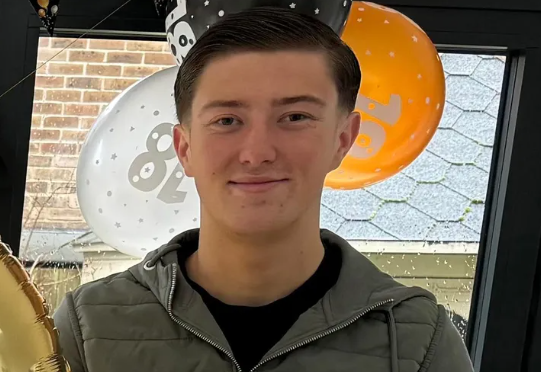
Henry Nowak, 18, was walking home after a night out with his football team. He never made it. A single throwaway remark to a stranger cost him his life.
It was just after 11 o’clock on the night of December 3, 2025. Henry Nowak, a cheerful 18-year-old student from Essex, was making his way back to his university accommodation in Southampton. He had just spent the evening out with his football teammates, a normal night for a first-year student settling into university life. He was happy, singing to himself, and sending Snapchat videos to his friends.
Henry had barely drunk anything that night. Doctors would later confirm his blood alcohol level was well below the legal driving limit. He was, by every measure, just a young man enjoying his evening.
The Encounter
On Belmont Road in Portswood, Henry crossed paths with a 23-year-old man named Vickrum Digwa. Digwa was out that night helping his brother with a Deliveroo delivery shift. The two did not know each other.
Henry’s own phone footage captured what happened next. You can hear him singing. The camera shows Digwa walking nearby. Then, in a casual, almost playful tone, Henry calls out: “You’re a bad man, say you’re a bad man, go on.”
Digwa replied: “I am a bad man.”
Those were almost the last words Henry ever heard.
Within moments, Digwa drew a 21-centimetre blade — an eight-inch knife he had been carrying and stabbed Henry five times. The wounds struck his chest, his face, and the back of his legs. A blood trail on the street showed that Henry, already fatally wounded, desperately tried to escape by climbing onto a bin and over a fence. He didn’t make it far.
Neighbours heard him crying out that he had been stabbed and was dying.
The Cover-Up
What happened next made a terrible situation even worse. Rather than call for help, Digwa filmed Henry as he slumped on the pavement. When police were eventually called, by Digwa’s own brother the call denied that any weapon had been used.
When officers arrived at the scene, Digwa complained of a swollen eye and insisted he was the victim. He claimed Henry had been a drunken racist who had used a slur, punched him, and knocked his turban from his head. His family backed up the story.
The police, hearing only one account, made a catastrophic decision. They handcuffed Henry, a dying teenager and told him he was under arrest.
Within three minutes, his condition made the truth impossible to ignore. The handcuffs were removed. An ambulance was called. Officers began CPR. A doctor was flown in by helicopter. Nothing could be done. Henry was pronounced dead in the early hours of December 4.
What the Evidence Showed
Henry’s own phone footage captured the encounter — no racist slur, no attack, just a brief, playful exchange:
(1) Toxicology confirmed Henry was not drunk, his blood alcohol was below the driving limit.
(2) Digwa was found to sleep with an “arsenal of weapons” at home and was described by prosecutors as a man who “likes weapons.”
(3) After the stabbing, Digwa aggressively pursued the already wounded Henry rather than flee or seek help.
The Trial
At Southampton Crown Court, Digwa stuck to his story. He told the jury he had acted in self-defence. He said the knife was a kirpan, a ceremonial blade carried as part of the Sikh faith. He said Henry had attacked him first.
The prosecution tore the defence apart. Prosecutor Nicholas Lobbenberg told the jury that Digwa was not at a temple that night. He was out doing delivery work. The racism claim was not supported by any evidence from Henry’s phone recording. Lobbenberg called it a “wicked lie,” designed to flip the story and make the killer look like the victim.
Digwa’s mother, Kiran Kaur, had made matters worse for herself by removing the knife from the scene after the stabbing, an act for which she too stood trial.
The jury did not take long to see through it. On May 28, 2026, Vickrum Digwa was found guilty of murder and of carrying a knife in a public place. His mother was found guilty of assisting an offender.
“He lied to us on that call. He lied to the officers as they arrived at the scene. He lied even as Henry’s condition was clearly deteriorating.”
Hampshire Police Deputy Chief Constable Robert France
Why Did It Happen?
That is the question that haunts this case. There was no argument. No history between the two men. No robbery. No drugs. No grievance of any kind.
Henry said four words — “you’re a bad man”, to a stranger on the street. Digwa’s reply , “I am a bad man” turned out to be a chilling statement of fact. He was carrying a large knife. He reacted with lethal violence to what amounted to a throwaway comment from a teenager on his way home.
It was random. It was senseless.
Rreference
1.https://www.easterneye.biz/sikh-man-murder-conviction-racist-abuse-claim/
2.https://www.dailymail.com/crime-desk/article-15857151/Coward-liar-cried-racism-victim-lay-dying-blood-case-thats-rightly-sparked-outrage-Sikh-man-stabbed-student-5-times-ceremonial-knife-teen-police-arrested-handcuffed-life-ebbed-away.html?ito=native_share_article-top
3.https://en.wikipedia.org/wiki/Murder_of_Henry_Nowak
4.https://www.theblaze.com/news/knife-wielding-sikh-reaps-whirlwind-after-butchering-english-teen-henry-nowak-falsely-accusing-him-of-racism