THE ASIAN INDEPENDENT UK

Bal Ram Sampla
Geopolitics
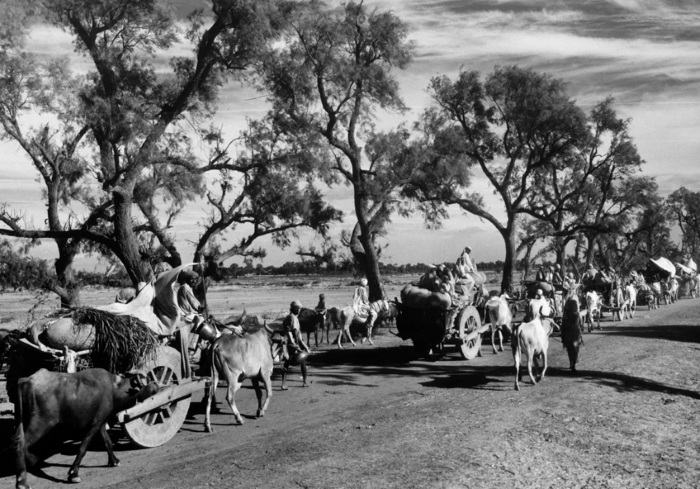
The Partition of 1947 remains one of the most painful events in human history. Millions of families were displaced, and hundreds of thousands lost their lives. Yet, as time moves forward, the way different generations carry this memory has changed completely.
For the Silent Generation—the survivors who actually lived through the violence, silence was often the only way to heal. Most did not talk about the terror they saw. They focused on finding a home, raising their children, and building a new life from scratch. They wanted to move past the pain, not relive it.
As time passed, younger generations inherited this history in very different ways:
Baby Boomers and Generation X carried the “borrowed trauma” of their parents while focusing on rebuilding the nation and adapting to a changing world.
Millennials and Gen Z face present-day challenges like education, job markets, and economic stability. For many young people, solving today’s problems matters far more than keeping old grudges alive.
Today, digital media and the internet have changed how this history is passed down, especially for non-resident Indians (NRIs) living abroad.
The Good Side: Digital platforms allow us to record raw oral histories. Projects on YouTube or Instagram give voice to elderly survivors before they pass away, preserving human empathy and real history without political spin.
The Dark Side: Social media algorithms often favor anger over nuance. Short clips, political rhetoric, and sensational news can reopen old wounds and pass hatred down to people who never lived through the events themselves.
Ultimately, history should serve as a lesson, not a weapon. True respect for those who survived Partition means honoring their quiet resilience, learning from the past to build a peaceful future, rather than keeping old animosities alive for modern political gain.