

THE ASIAN INDEPENDENT UK
By Vidya Bhushan Rawat*
The proposed delimitation bill, coupled with the women’s reservation bill, is a calculated attempt to divert attention during state elections while laying the groundwork for long-term power consolidation through a north Indian hegemony. India’s constitution-making process was arduous, but it was guided by leaders deeply committed to unity and integrity. They ensured no community felt betrayed, and the foundation of modern India was laid on inclusivity. Any attempt to alter this balance must be approached with caution and respect for that legacy.
India’s population has always been both its strength and its weakness. States such as Uttar Pradesh, Bihar, Maharashtra, Rajasthan, and Madhya Pradesh, with higher population growth, stand to gain disproportionately from this exercise. Meanwhile, states like Tamil Nadu, Kerala, Andhra Pradesh, and Karnataka, which successfully implemented family planning policies, risk being penalized. Rewarding demographic expansion while punishing responsible governance undermines the principle of fairness.
The government’s reliance on propaganda over substance is evident. With social media influencers and pliant newsrooms, it seeks to shift blame onto the opposition while presenting itself as working for the people. In reality, this is a deliberate attempt to deepen the north-south divide, knowing that electoral dominance in the south remains elusive.
India is not a chessboard for permanent rulers. The constitutional journey was difficult, but it succeeded in creating an inclusive nation. Any delimitation exercise must involve wide consultation, debate in state assemblies, and public participation. Instead, the government has pursued secrecy, bypassing opposition and undermining democratic norms. Parliament exists for debate, yet the bill was introduced hastily during assembly elections in Tamil Nadu, Kerala, Assam, and West Bengal. Linking it to the already-passed women’s reservation bill only raises further suspicion.
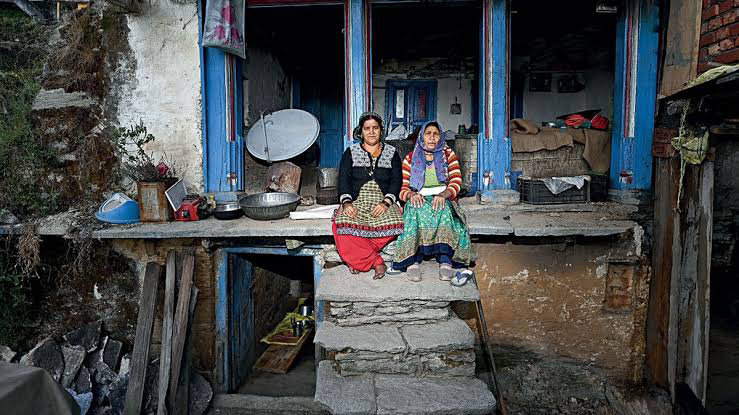
Delimitation cannot be reduced to census figures alone. It must account for diversity, regional identities, and indigenous territories. The northeast has already witnessed resentment over demographic changes, and similar fears loom elsewhere. Uttarakhand is particularly vulnerable. The state was carved out of Uttar Pradesh to protect hill identity, yet delimitation based solely on population would reduce hill communities to a minority in their own state. Representation would shift to the plains—Haridwar, Dehradun, Udham Singh Nagar—while the Himalayan districts lose voice. This defeats the very idea of a hill state meant to safeguard its people and culture.
Leaders must reflect carefully. Representation is vital, but states should not be punished for reducing population growth, nor should those that failed in family planning be rewarded. Diversity, regional variation, and marginalized voices must be central to any exercise. A hurried, census-driven delimitation risks altering the identity of entire states, as Uttarakhand’s hill communities rightly fear. What is needed is restraint, consultation, and debate across assemblies and public forums. Rushing such a bill serves no public purpose and threatens the inclusive spirit of India’s constitutional foundation.