

THE ASIAN INDEPENDENT UK
A glimpse into the history of the ancient Kamboja Mahajanapada
The Ancient Kamboja Mahajanapada: Aspects of Women’s Empowerment: A Review
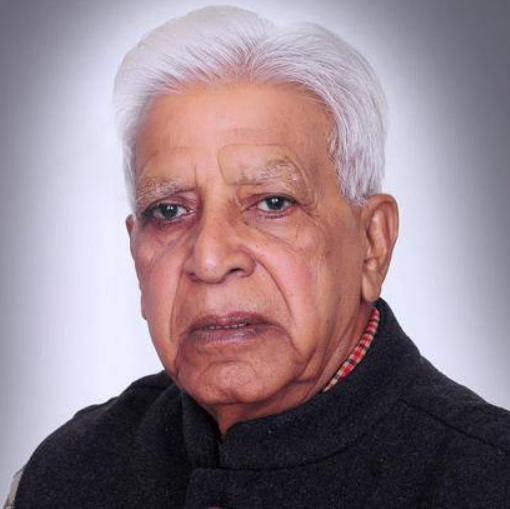
DR.Ramjilal, Social Scientist,
Former Principal, Dyal Singh College,
Karnal (Haryana, India)
Email: [email protected]
The Kamboja people have a rich and historical legacy in ancient Indian history, particularly during the Mahabharata period, when the Kamboja region, located in Uttarapath, emerged as a prominent Mahajanapada, or Republic. Ancient texts, including the Mahabharata, Buddhist Angattu, and Chanakya’s Arthashastra, along with Panini’s Ashtadhyayi, recognise the Kamboja Mahajanapada as one of the 16 significant Mahajanapadas of ancient India. Geographically, its territory extended across northeastern Afghanistan (the Hindu Kush region), northern Pakistan (the Hajar district), and the northwestern border of Rajouri (Rajpur) in Kashmir. The capital of the Kamboja Mahajanapada was established at Rajouri (Rajpur) or Nandapur.
The Kamboja Kshatriyas were distinguished for their valor and martial expertise, possessing remarkable cavalry and engaging in trade. Their primary occupations revolved around agriculture, cattle breeding, and the trading of horses and blankets. Ancient texts describe the Kambojas as physically attractive individuals with access to the finest white horses. During the Mahabharata War, Maharaja Sudakshina Kamboja commanded an impressive army of 6,000 horsemen and fought valiantly for the honor of his sister Bhanumati, Duryodhana’s queen. Following his death, his mother, Maharani Sudarshana Kamboja, ascended to power and governed the Kamboja Mahajanapada. Another notable figure, Maharani Kripa Kamboja, took command of the army after the battle losses of her husband and son against Alexander.
Women’s Empowerment in the Kamboja Mahajanapada
The following points highlight various aspects of women’s empowerment within the Kamboja Mahajanapada:
1. Social: The social framework in Kamboja Mahajanapada was distinct due to its adherence to Shaiva customs, which contrasted with mainstream Vedic practices. These customs were pivotal to both religious and social life. Cows were revered and treated as sacred beings, reflecting a strong commitment to their protection. The tradition of Raksha Bandhan emerged as a significant cultural practice, symbolising the love and protection between sisters and brothers.
Women in the Kamboja Mahajanapada enjoyed relative freedom, as they were not bound by the stringent regulations of Vedic rituals. Education for women was valued, and they possessed the right to choose their own husbands, with Swayamvara (self-choice marriage) and Gandharva marriages being common. Inter-caste marriages were exemplified by the union of Sudakshina Kamboja’s sister Bhanumati, who married Duryodhana. Textual references indicate that Kamboja women actively participated in public life, free from the practice of purdah, and held significant influence within their households and communities.
2. Raksha Bandhan Festival: The festival of Raksha Bandhan held a place of utmost importance in the Kamboja Mahajanapada. During this celebration, sisters would tie a Rakhi on their brothers’ wrists, pledging not to engage in violence on this day. This festival focused on themes of peace, love, and non-violence rather than fostering conflict. Historical accounts suggest that in the tenth century, when the Kamboja Pala dynasty engaged in conflict with the Gauda army, the Kamboja commanders chose to prioritise the commitment to Raksha Bandhan over military strategy, which ultimately resulted in their defeat. After this, the Kamboja commanders abandoned Raksha Bandhan. This tradition of non-celebration of Raksha Bandhan continues to this day in some Kamboja regions and clans.
These facets of Kamboja culture underscore the empowerment and significant roles that women played within their society, showcasing a commitment to social customs that supported their independence and public engagement.
3. Economic: The Kamboja Kingdom was renowned for its trade. Due to its trade relations with Central Asia, Kamboja women became skilled in producing wool, blankets, and raising livestock, particularly cows and horses. The horses of the Kamboja Kingdom, known for their white colour and powerful, agile build, were favoured by the rulers of various Mahajanapadas in India and Central Asia. As a result, women in the ancient Kamboja Kingdom strengthened their economic status and achieved a degree of economic independence.
4. Military: During the time of Panini, the Kamboja Kingdom functioned as a republican state. As a Kshatriya warrior society, women actively participated in military activities, excelling in gymnastics, archery, horsemanship, and even leading armies on the battlefield. The Jataka tales mention a “Kamboja Mahila Sabha,” through which decisions regarding the defence and war strategies of the Kamboja Mahajanapada were made. This assembly also played a role in the selection of army commanders. It is noteworthy that no similar system exists anywhere in the world today. This tradition is tied to the valiant legacy of Kamboja queens, who possessed both martial and administrative skills; many successfully ruled the kingdom after the deaths of their husbands in battle and commanded armies as leaders (Jha 1942; Rawlinson 1912; Sharma 1970; Tarn 1948). A remarkable figure is Queen Kripa Kamboja, who led 30,000 cavalry, 38,000 infantry, 30 elephants, and 7,000 mercenaries into battle after her husband and son were killed in the conflict against Alexander.
In summary, Kamboja women in ancient times were not confined to domestic roles; they served as sages, warriors, diplomats, and merchants. According to the Mahabharata, both Kamboja men and women were noted for their beauty. Greek writers reported that women from the northwestern tribes, including the Kamboja Mahajanapada, enjoyed “greater freedom than the women of other Indian states.” The Mahabharata and Buddhist scriptures highlight women’s involvement in martial arts as well as their economic participation. The absence of purdah (veil) reflected the self-respect and self-reliance that were key qualities in the lives of Kamboja women. Despite the overarching patriarchal society, the Kamboja Mahajanapada serves as a prime example of women’s empowerment.