
Balram Sampla
Geopolitics

Geopolitics
(Asian independent) History remembers powerful kings and massive armies. But sometimes, true history is made by a teenager standing completely alone.
In 1734, in Mughal-ruled Punjab, a 14-year-old boy named Haqiqat Rai faced a choice that would define his memory forever.
The Argument
It started as a simple schoolyard fight in Sialkot. When classmates mocked his faith, Haqiqat Rai spoke up in defense.
Because the empire punished any perceived insults against the dominant religion with death, a childhood argument instantly turned into a death sentence.
The Ultimate Choice
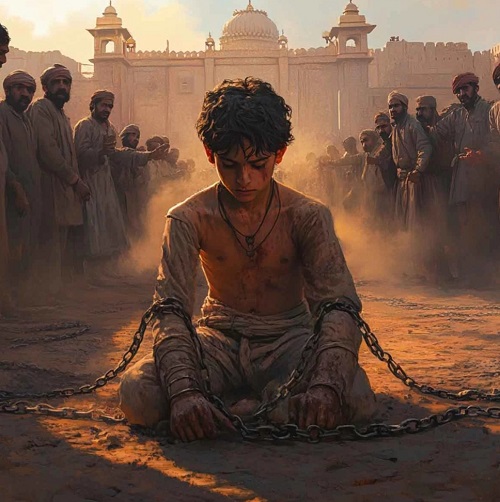
Haqiqat Rai was dragged to the high court in Lahore. The judge gave him two options:
(1)Convert
Give up his identity, accept Islam, and go free.
(2)Die
Refuse to convert and face execution by beheading.
For a child, the temptation to say a few words and save his life must have been overwhelming. He could have walked away.
Instead, he chose dignity. He refused to give up his conscience just to save his own life.
An Unbreakable Legacy
The executioner struck, thinking a child’s death would terrify the people into submission.
It did the exact opposite.
Instead of breaking a community’s spirit, the empire created a legend. News of his bravery spread quickly across Punjab. Long after the Mughal Empire fell, the story of Veer Haqiqat Rai lived on as a timeless symbol of courage, self-respect, and standing up for what you believe in.
References
1.https://en.wikipedia.org/wiki/Haqiqat_Rai?hl=en
2.Veer Hakikat Rai: The young martyr who was executed by Islamists on Basant Panchami as he defied forced conversion
https://organiser.org/2025/02/03/276253/bharat/veer-hakikat-rai-the-young-martyr-who-was-executed-by-islamists-on-basant-panchami-as-he-defied-forced-conversion/
3.https://satyaagrah.com/religion/islam/4238-haqiqat?hl=en