THE ASIAN INDEPENDENT UK

Bal Ram Sampla
Geopolitics
Public political rallies focused on opposing affirmative action and institutional guidelines often rely on powerful traditional slogans, such as
“Tilak, Taraju aur Talwar”
to signal historical alliances and dominance among specific castes.
When torch rallies, foot marches, and regional protests are organized across state lines, they frequently serve as visible displays of collective identity and collective bargaining power. For marginalized communities Scheduled Castes (SCs) and Scheduled Tribes (STs), the public display of these traditional symbols can function as a form of intimidation, reinforcing existing social hierarchies.
Asserting Dominance Through UGC-Related Protests
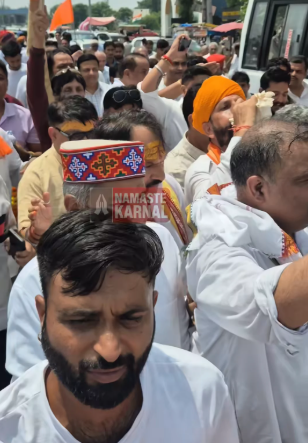
In recent months, public demonstrations and street mobilizations,such as those organized around University Grants Commission (UGC) regulations and general category rights led by figures like Mahipal Singh Makrana, have shifted high-stakes policy debates directly into the public square. These campaigns, marked by long-distance marches and rallies across regions like Rajasthan and neighboring states, go beyond administrative grievances. They represent a clear, assertive display of upper-caste and general category presence designed to pressure legal frameworks and governance.
By taking these demands to the streets with intense rhetoric and collective oaths, organizers project considerable social and political influence.
Impact on Marginalized Communities
This heightened public mobilization has profound psychological and social impacts. For vulnerable populations who rely on constitutional protections, reservation policies, and legal safeguards like the Scheduled Castes and the Scheduled Tribes (Prevention of Atrocities) Act to secure dignity and protection, large-scale anti-reservation and identity-based protests create an atmosphere of apprehension. The visible assertion of upper-caste dominance in public spaces often signals a direct challenge to the socio-political gains made by marginalized groups, deepening societal divisions and heightening tensions on the ground.
Conclusion
The friction surrounding these coordinated rallies highlights the ongoing struggle between demands for equal representation and the defense of historical social privilege. As regional and national demonstrations continue to :shape public discourse, they underline the fragility of social harmony” and the constant need to protect the constitutional rights and safety of marginalized populations against public intimidation.
References
1.https://youtube.com/shorts/fvrfoodeNe4?si=bDgd7BS0MnLDdarv
2.https://cjp.org.in/in-uttar-pradesh-uttarakhand-and-haryana-indias-anti-atrocities-law-is-failing-dalits/?hl=en-