

THE ASIAN INDEPENDENT UK
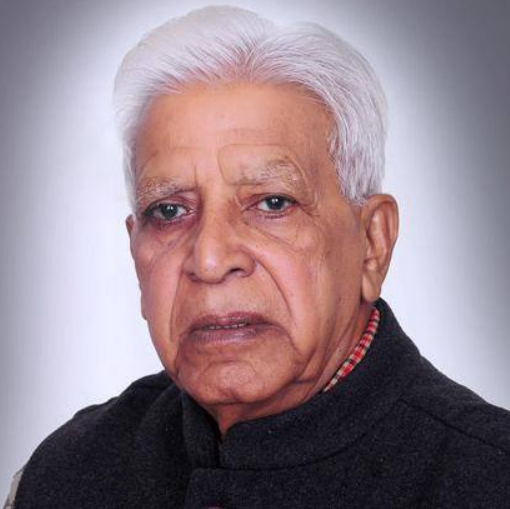
DR RAMJILAL, Social Scientist,
Former Principal, Dyal Singh College,
Karnal (Haryana, India).
Email [email protected]
Abstract:
The Kamboj community, known for its origins as an ancient warrior-farmer group in northwestern India, has historical references dating back to texts like the Mahabharata and Ashokan edicts. By the 19th century, Kamboj Sikhs established themselves as prosperous landowners and cultivators in the Chenab-Ravi Canal Colonies, which included regions such as Lyallpur, Montgomery, Sheikhupura, Jalandhar, Hoshiarpur, Karnal, and Yamuna Nagar. Their roles as Zamindars and Kashtkars positioned them directly in relation to colonial revenue policies, equipping them with the resources necessary to sustain prolonged social and political agitations.
A section of the Kamboj community converted to Sikhism during the mediaeval period. From 1857 to 1947, Sikh Kamboj men and women actively participated in numerous phases of the anti-colonial struggle, including the Gadar Movement, various revolutionary initiatives, the Gurdwara Reform Movement, the Akali movements, socialist and communist efforts, mobilisations, the Unionist Party, Kisan movements, trade union movements, and all major Gandhian campaigns. They also served in the armed forces and the Indian National Army.
Prominent Kamboj Sikh figures in the freedom struggle include Shaheed-e-Azam Udham Singh, Master Sunder Singh Lyallpuri, Jathedar Bhai Tehal Singh Dhanju, Honorary Captain Sardar Bahadur Ram Singh Mahrok, and Bibi Gurbaksh Kaur Kamboj.
It is essential to recognise that the freedom struggle was a collective national endeavour. The contributions of Kamboj Sikhs should thus be viewed within the broader context of Punjabi and Sikh participation in India’s fight against British colonialism. Drawing from archival records, oral histories, and published research, this article offers a chronological and evidence-based account of their contributions, arguing that the Kamboja community’s ancient martial and landholding status, traditional Jattha structure, and diaspora connections made them integral to the Punjab freedom movement. Additionally, Kamboj women played a pioneering role in transitioning from domestic to public political engagement, reflecting the broader patriotic awakening within Punjab from the Revolt of 1857 to 1947.
Expansion
Participation in the Revolt of 1857:
The Revolt of 1857 marked the first significant armed challenge to British rule in India. Punjab held strategic importance to the British Empire, and states like Patiala supported the British government in suppressing the uprising. Approximately 1,500 soldiers from the Maharaja of Patiala were deployed to Karnal on May 21, 1857, to help quell the revolt.
The Punjabi peasantry, burdened by land revenue demands and forced labour (Begar), was deeply affected by the political and military climate of the time. Various communities united with the peasants in resistance, and Kamboj Sikhs were involved in opposing British authority in several regions. Their participation often aligned with soldiers, local leaders, and fellow peasants. While tracing the individual contributions of Kamboj Sikh rebels is challenging, the revolt left a lasting legacy of resistance that inspired future generations. It laid a foundation that shaped the consciousness of Kamboj Sikh families living in the canal colonies for upcoming historical events in the freedom struggle.
The First Major Kisan Uprising – Pagdi Sambhal Jatta Movement (1907):
The most significant agrarian movement early in the 20th century was the Pagdi Sambhal Jatta movement, recognised as the largest peasant uprising following the Revolt of 1857. The British Raj implemented three oppressive laws that endangered the survival of Punjabi farmers: The Punjab Land Alienation Act (1900), The Punjab Land Colonisation Act (1906), and The Bari Doab Canal Act (1907).
Under the leadership of figures like Sardar Ajit Singh (Bhagat Singh’s uncle) and Lala Lajpat Rai, farmers—from Peshawar to Delhi—protested the Punjab government. Kamboj Sikh farmers, especially those from Lyallpur and Sheikhupura, formed the backbone of this movement, organising themselves into groups (*jathas*) to resist land revenue payments. Government reports from that time indicated concerns about potential revolts among Sikh Kisan Jawans in the military. The pressure from the movement ultimately forced the British government to repeal the three oppressive laws.
During the period from 1913 to 1918, the Gadar Movement emerged as a significant force among Punjabis living abroad, particularly in North America. Indian immigrants rallied under this movement with the aim of overthrowing British rule and establishing an independent India. Among the Punjabi communities influenced by Gadar ideals were the Kamboj Sikhs.
In the 1920s and 1930s, the revolutionaries continued to contribute to revolutionary activities aimed at liberating India from colonial rule. During the 1920s and 1930s, revolutionary nationalism became popular among many young Punjabis. The activities and sacrifice of revolutionaries such as Bhagat Singh and his associates had a powerful influence on the people of Punjab. Kamboj Sikh youth also became sympathetic to revolutionary and anti-colonial ideas. Shahid-e-Azam Udham Singh, a Kamboj Sikh youth, was the key figure who represented the revolutionary activities.
The revolutionary movement promoted ideals of courage, sacrifice, equality and national unity. People who supported these ideals helped spread political awareness in villages and towns and encouraged opposition to colonial policies.
The Akali Movement (1920–1925):
The Akali Movement, also known as the Gurdwara Reform Movement, was pivotal in raising political awareness among Sikhs, with significant contributions from Kamboj Sikhs alongside other Sikh communities. This peaceful struggle aimed to reclaim control of Sikh gurdwaras from corrupt mahants backed by British authority. Individuals from various backgrounds within the Sikh community, particularly from the Kamboj community, played active roles as journalists, local organisers, and volunteers in mass protests, aligning their efforts with the broader Indian independence movement.
A key figure in this movement was Master Sunder Singh Lyallpuri, who hailed from the Kamboj lineage. He was instrumental in founding the Shiromani Akali Dal and establishing the influential newspaper *The Akali* (launched on May 20, 1920), which galvanised public opinion against the colonial administration and corrupt religious leaders. Additionally, he coined the term ‘Na-Milvartan Lehir’ in reference to the Non-Cooperation Movement.
Kamboj Sikhs, along with other rural farming communities, provided crucial grassroots support for the movement. They participated in non-violent jathas (bands of volunteers), bravely facing police repression during campaigns aimed at reforming gurdwaras, such as the Morcha for the Rakab Ganj wall, Guru-ka-Bagh, and Jaito. The Saka Nankana Sahib incident saw the martyrdom of several Kamboj individuals. Many Kamboj Sikh peasants ,and activists were involved in various meetings, protests, and processions that linked religious reform to the broader struggle for political freedom and self-governance.
The Gandhian Movements:
The Non-Cooperation Movement (1920-1922) and the Civil Disobedience Movement (1930-1934), both led by Mahatma Gandhi, encouraged widespread resistance to British rule in Punjab through peaceful means. Kamboj Sikhs actively participated in political gatherings, boycotts, and demonstrations, with some activists facing arrest for their engagement.
The Quit India Movement of 1942 strengthened the demand for complete independence, despite Punjab’s strong colonial grip. Political activists, including many from rural communities, spread nationalist sentiments, helping to expand the reach of the independence movement beyond urban centres.
The Indian National Army (INA) (1942-1945):
Punjab’s military tradition also significantly influenced the freedom struggle. Several Punjabis, including Sikhs, who had served in the British Indian Army or had become prisoners of war, joined the Indian National Army (INA) under Subhas Chandra Bose. Members of the Kamboj community, including Sikh Kamboj POWs in Malaya-Burma, allied with the INA. Notable figures included Captain Gurbaksh Singh Kamboj, who fought in the Nehru Brigade, and others who played vital roles in the INA’s campaigns. The trials of INA members after World War II fuelled nationalist sentiments across the country, contributing to the erosion of British authority.
Kamboj Sikh Farmers and Rural Nationalism:
The agricultural community consisting of Kamboj Sikhs in Punjab played an instrumental role in the independence movement, often in ways that are not prominently featured in traditional historical narratives. Kamboj Sikh farmers actively participated by attending political meetings, supporting nationalist movements and Akali organisations, providing resources to activists, and encouraging youth to engage in nationalist activities. Their resistance to oppressive policies and their involvement in demonstrations and movements were vital to the political awakening of rural Punjab, as the British colonial state heavily relied on the agricultural economy of the region.
Kamboj Sikhs and the Growth of Political Consciousness:
In the late nineteenth and early twentieth centuries, the Sikh community in Punjab experienced a surge in education and political awareness. Kamboj Sikh farmers were particularly influential within the agricultural colonies of Punjab. The establishment of canal colonies led to the rise of numerous farming families and new settlements, such as Lyallpur and Sheikhupura, which became hubs for education, journalism, and political activism.
Contributions of Master Sunder Singh Lyallpuri:
Master Sunder Singh Lyallpuri, a prominent figure in the Kamboj Sikh community, made significant contributions to the fields of education and journalism, recognising that achieving political independence necessitated social and educational advancement. He played a vital role in establishing and supporting educational institutions, encouraging Sikh youth to pursue modern education, ultimately fostering a politically aware generation.
In the context of the nationalist press, Lyallpuri utilised journalism as a powerful tool to disseminate nationalist ideas, educate the Sikh population, and critique colonial policies. He mobilised people for political campaigns, advocated for the Gurdwara Reform Movement, and inspired participation in India’s struggle for independence. His newspapers served as instruments of political mobilisation, demonstrating that the written word could be a formidable weapon for Kamboj Sikh nationalists. This contribution underscored the importance of not just revolutionary figures in the freedom struggle but also the roles of teachers, journalists, lawyers, organisers, and social reformers.
Lyallpuri was involved with various publications, including *Sacha Dhandora*, and he later founded the Punjabi daily *The Akali*, which first appeared in May 1920. The newspaper aimed to promote political and religious awakening and to mobilise Sikh society for a more impactful role in the fight for India’s independence.
As a leading figure in the Gurdwara Reform and Akali movements, Lyallpuri worked diligently to organise Sikh society and promote democratic control of Sikh institutions. His political efforts were instrumental in the formation of the Shiromani Akali Dal and contributed to the broader Akali organisational structure. Thus, Master Sunder Singh Lyallpuri stands out as a clear example of a Kamboj Sikh who effectively combined religious reform, education, journalism, and the quest for political freedom.
Bhai Tehal Singh Dhanju: Martyrdom at Nankana Sahib:
Bhai Tehal Singh Dhanju was a prominent figure in Sikh history, born into a Kamboj family in Nizampur, Amritsar district, in 1875. He was deeply involved in the Gurdwara Reform Movement, which aimed to liberate Sikh shrines from corrupt management. A pivotal event known as Saka Nankana Sahib took place on February 20, 1921, marking a significant turning point in this reform movement. Bhai Tehal Singh played a crucial role in organising volunteers from Nizampur and neighbouring Kamboj villages, many of whom were part of the Kamboj community. Despite the inherent risks, these volunteers marched towards Nankana Sahib. They faced dire consequences during this tragedy, which resulted in the massacre known as Saka Nankana Sahib, and Bhai Tehal Singh was among those who lost their lives. His actions exemplify the commitment of Kamboj Sikh volunteers to sacrifice for the causes of religious reform, justice, and resistance against oppressive colonial institutions.
Honorary Captain Sardar Bahadur Ram Singh Mahrok:
Another significant Kamboj Sikh figure in the Akali movement was Honorary Captain Sardar Bahadur Ram Singh Mahrok. With a distinguished military background, he later engaged actively in Sikh religious and political affairs. He participated in the Akali agitation of the 1920s and became an early member of the Shiromani Gurdwara Parbandhak Committee, ultimately serving as its vice-president in November 1921. In October 1923, the British government declared the SGPC and Shiromani Akali Dal illegal, leading to Ram Singh Mahrok’s arrest, and he remained imprisoned until January 1926. His contributions are notable as he transitioned from a career in the colonial military to playing a significant role in the organised Sikh resistance against colonial rule.
Bibi Gurbaksh Kaur Kamboj (1890—1941):
Bibi Gurbaksh Kaur Kamboj (1890—1941) was a groundbreaking educationalist and administrator who significantly shaped the landscape of women’s education in Punjab. She was a key figure at the Sikh Kanya Mahavidyalaya in Ferozepur and a proud representative of the Kamboj community, which honours her legacy as a fearless advocate for female literacy at a time when educating women was widely considered taboo.
As the daughter of Bhai Takhat Singh, known as the Zinda Shaheed, she inherited a powerful mission. Her father founded the first boys’ school in 1890 and established the revered Sikh Kanya Mahavidyalaya for girls in 1892. Following his death, Bibi Gurbaksh Kaur and her sister, Pritam Kaur, took decisive control of the institution. She served as principal during the critical transitional years of the 1920s and 1930s.
In the mid-1930s, Bibi Gurbaksh Kaur championed a balanced curriculum that seamlessly combined traditional Eastern values with modern Western progressive education. Her dynamic leadership not only elevated the institution’s reputation but also garnered explicit praise in colonial education reports for its outstanding contribution to female literacy across undivided Punjab. Consequently, educated women emerged as powerful agents of awareness, fuelling the national movement in Punjab with their increased engagement and impact. As a result, the educated women became the vehicles of awareness which gave impetus to national movements in Punjab.
Contribution to Revolutionary Nationalism: Shaheed-e-Azam Udham Singh:
The revolutionary nationalism of Kamboj Sikhs is epitomised by Shahid-e-Azam Udham Singh, a figure internationally recognised for his activism. His life illustrates several critical aspects of revolutionary nationalism, including the remembrance of colonial atrocities like the Jallianwala Bagh massacre, international political engagement among Indians abroad, connections with revolutionary organisations such as the Gadar movement, and a readiness to confront imprisonment and death in the struggle against British imperialism. Udham Singh’s actions, including the assassination of Michael O’Dwyer in London on March 13, 1940, and his subsequent execution on July 31, 1940, kept the memory of Jallianwala Bagh alive during British rule. His sacrifice rendered him a significant martyr in India’s quest for freedom, symbolising the revolutionary and militant spirit of the freedom struggle.
Sacrifice and Legacy of Kamboj Sikhs in India’s Freedom Movement:
The role of Kamboj Sikhs in India’s freedom struggle is a significant aspect of the broader contributions made by the Punjab region and the Sikh community as a whole. Their involvement encompassed a variety of actions, including revolutionary endeavours, political activism, religious reforms, mobilisation of peasant communities, and military resistance against colonial rule. Many Kamboj Sikh activists faced severe repercussions, including imprisonment and financial difficulties, as a result of their dedication to the cause.
From the revolt of 1857 to the eventual independence in 1947, the freedom movement in India evolved from isolated acts of defiance into a comprehensive national campaign. Throughout this transformative period, Kamboj Sikhs emerged as pivotal figures, demonstrating remarkable courage, organisational skills, and a spirit of sacrifice that helped shape the narrative of Punjab’s participation in the struggle for independence.
This rich history not only reflects their commitment but also underscores the significant legacy left by the Kamboj Sikhs in the larger context of India’s fight for freedom. Their contributions are essential to understanding the dynamics of the movement and the collective efforts that defined an era in Indian history.
Read Research Sources and Records:
>(Note. RAMJILAL is author of Political India 1935 -42: Anatomy of Indian Politics (1986, New Delhi).
>Lal, Ramji,Dr.(8August,2026) The Role of the Muslim Kamboj Community in the Freedom Movement (1857–1947): A Systematic Study and Review //https://samajweekly.com/the-role-of-the-muslim-kamboj-community-in-the-freedom-movement-1857-1947-a-systematic-study-and-review/
08/08/2026
>https://indianexpress.com/article/explained/explained-farmers-pagri-sambhal-diwas-1907-movement-british-scrap-3-farm-laws-7201372/
>https://thewire.in/history/legacy-of-sardar-ajit-singh-remembering-the-1907-pagdi-sambhal-jatta-movement
>Barrier,N.G.(1966)The Punjab Alienation Bill OF 1900,duke University,1966 (Deals with the background of Pagdi Sambhal Jatta Movement,1907).
>Puri,H.K.(1993),GhadarMovement:Ideology, Organisation&Strategy.GNDU1993—Baba Sohan Singh Bhakana.
>https://www.kambojsociety.com/post/bhai-dayala-ji
>https://www.kambojsociety.com/post/bhai-mahi-singh-sunam
>https://www.kambojsociety.com/post/bhai-mahi-singh-sunam
>https://www.kambojsociety.com/post/master-sunder-singh-lyallpuri
>https://www.thesikhencyclopedia.com/udham-singh-nagoke/
>Kaur, Sandeep, (31 July 2023) ‘’Udham Singh Nagoke :Vanguard of Akal Fauj during Punjab’s Partition’’,IJNRD,Vol.9,Issue,31 July 2023
>https://www.thesikhencyclopedia.com/udham-singh-nagoke/
Archives, New Delhi.
>Lal.Ramji. Dr.(January 22, 2025)Netaji Subhash Chandra Bose – Charismatic Great Personality: An Evaluation https://theasianindependent.co.uk/netaji-subhash-chandra-bose-charismatic-great-personality-an-evaluation/#google_vignette
>Lal Ramji, Dr.Netaji/https://www.dainiktribuneonline.com/news/ .p.5 .
Lal.Ramji, Dr. (15 August 1981). “A Glorious Chapter of the Freedom Struggle: Martyr Udham Singh—The Herald of Independence”, Dainik Tribune (Chandigarh), 15 August 1981, pp. 5–6.
Lal, Ramji, Dr. (26 December 1988), “The flame of revolution burnt within the very personality of Udham Singh”, Dainik Vishwa Manav (Karnal), 26 December 1988, p. 5.
>Harbans Singh, The Encyclopaedia of Sikhism, Punjabi University, Patiala — biographical material on Sunder Singh Lyallpuri.
>S. Kirpal Singh, Kambojas Through the Ages — cited in historical accounts of Kamboj personalities and their activities.








A significant and thought-provoking contribution to the historiography of India’s freedom movement.Sir you have brought together a wide range of historical episodes to illuminate the often-underrepresented role of Kamboj Sikhs in the struggle against British rule. By connecting the Revolt of 1857, the Pagdi Sambhal Jatta movement, the Gurdwara Reform and Akali movements, revolutionary nationalism, the INA, peasant mobilisation, education, journalism, and women’s participation, the article presents the freedom struggle as a genuinely collective and multidimensional movement. The accounts of Udham Singh, Master Sunder Singh Lyallpuri, Bhai Tehal Singh Dhanju, Sardar Bahadur Ram Singh Mahrok and Bibi Gurbaksh Kaur Kamboj are particularly valuable. Most importantly, the article places community-specific contributions within the larger national narrative rather than treating them in isolation. Such research helps recover neglected voices from the historical record and enriches our understanding of Punjab’s contribution to India’s freedom struggle.
With Regards and Good Wishes
Dr Amol
Assistant Professor of English
Dyal Singh College,Karnal
Comments are closed.