

THE ASIAN INDEPENDENT UK

Bal Ram Sampla
Geopolitics
A Critical Analysis
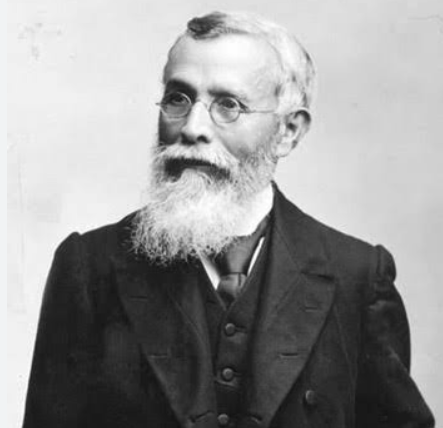
Surendranath Banerjee (1848–1925) is often remembered as one of the pioneers of Indian nationalism. He is sometimes called “Rashtraguru” and was popularly nicknamed “Surrender-Not Banerjee”. He passed away on 6th August 1925.
He qualified for the Indian Civil Service (ICS) but was dismissed on a disputed technical issue. Instead of giving up, he became a teacher, journalist, and political leader. He founded the Indian National Association, helped build early nationalist politics, and played an important role in the Swadeshi movement against the Partition of Bengal in 1905.
His contributions to the rise of Indian nationalism cannot be denied. Leaders needs to be judged not only by their struggle against colonialism but also by their willingness to challenge caste oppression. By this standard, Banerjee’s record appears limited.
Banerjee was born into an educated Bengali Brahmin family. He benefited from social privilege and Western education. Throughout his political career, he focused on constitutional reforms, greater Indian representation in government, and civil liberties. These were important goals, but they mainly reflected the concerns of the educated upper and middle classes. He did not make the lives of the oppressed castes a central part of his politics.
Unlike Mahadev Govind Ranade, Banerjee never became a leading campaigner for the abolition of untouchability, inter-caste marriage, or inter-dining. Ranade believed that political freedom and social reform should go hand in hand. He worked for widow remarriage, women’s education, and reform of Hindu society. Banerjee, however, kept his attention largely on political rights under British rule.
Why did he not join forces with Ranade?
One reason was his political philosophy. Banerjee believed that national unity should come before controversial social reforms. He feared that strong campaigns against caste practices might divide Hindu society and weaken the nationalist movement. Another reason was his moderate style of politics. He wanted gradual constitutional change and avoided taking positions that could alienate influential sections of society, especially the educated upper castes who formed much of his support.
This was a serious weakness. Dr. B. R. Ambedkar repeatedly argued that political freedom without social equality would simply transfer power from British rulers to upper-caste Indian elites. A nation that leaves millions of people trapped in caste discrimination cannot claim to be truly free. By refusing to challenge caste directly, Banerjee helped preserve the existing social hierarchy, even while opposing colonial rule.
Banerjee’s later political choices strengthened this criticism. After the Government of India Act of 1919 introduced limited provincial self-government, he accepted a ministerial position in the Bengal government. In 1921, he also accepted a British knighthood and became “Sir Surendranath Banerjee.”
Banerjee believed that working within the constitutional system would gradually bring India closer to self-government. He saw cooperation with the British as a practical strategy rather than a betrayal. However, many nationalists viewed these decisions very differently. At a time when Gandhi had launched the Non-Cooperation Movement and many Indians were rejecting British honours and government offices, Banerjee’s acceptance of both a ministership and a knighthood appeared to symbolize compromise with colonial power. His popularity declined, and he was eventually defeated in an election by candidates who demanded a more assertive nationalist policy.
One has ask, why Banerjee was willing to cooperate with colonial institutions but not equally willing to challenge caste privilege within Indian society. If he believed gradual reform was possible under British rule, why did he not apply the same determination to dismantling untouchability and caste discrimination? This contrast raises difficult questions about the priorities of the early nationalist leadership.
It would be unfair to describe Banerjee simply as a British loyalist or a “stooge.” He endured dismissal from the ICS, imprisonment, and years of political struggle. He inspired many Indians to think of themselves as members of one nation. Without pioneers like him, later phases of the freedom movement might not have developed in the same way.
At the same time, admiration should not prevent criticism. Banerjee represents the limitations of early Indian nationalism. His politics challenged foreign rule but left the caste system largely untouched. His constitutional moderation led him to accept honours and offices from the colonial government at a time when many Indians were rejecting them. Most importantly, he failed to place the struggle for social equality at the heart of the nationalist movement.
Surendranath Banerjee deserves recognition as one of the builders of Indian nationalism. Yet, he also reminds us that political freedom alone is not enough. A truly democratic India required not only the end of British rule but also the destruction of caste hierarchy. In that larger struggle for equality and dignity, Banerjee’s contribution was limited, while leaders like Ranade carried the fight much further.