THE ASIAN INDEPENDENT UK

Bal Ram Sampla
Geopolitics
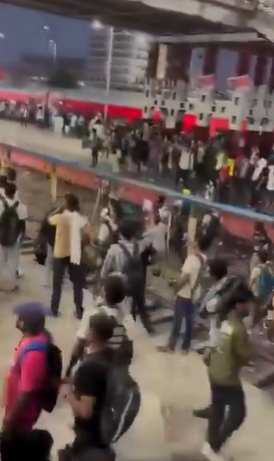
When thousands of students take to the streets demanding justice over exam paper leaks, they threaten the reputation of the governing party. To neutralize this threat, political media cells often turn to a specific playbook: manipulating viral video content to destroy the movement’s credibility.
 Step 1: Diverting Attention from the Real Issue
The primary goal of student protests during the NEET controversy was simple: demand transparency, investigate exam leaks, and hold officials accountable.
However, when a political party faces severe backlash, admitting fault is damaging. Instead of addressing whether papers were leaked, the media strategy shifts toward shifting the public’s focus. By inventing a narrative that protesters are destroying public property, the conversation suddenly changes from “Did the government fail our students?” to “Why are students rioting?”
Step 2: Recycling Old Footage to Create Instant Outrage
Creating completely fake videos from scratch takes time and skill. A much faster, cheaper tactic is recontextualizing old footage:
(I) The Tactic: Operatives take archived clips of train stone-pelting from years ago or unrelated incidents.
(II) The Spin: They attach new captions claiming the footage shows current NEET protesters attacking high-profile national projects, like newly launched hydrogen trains.
(III) The Impact: Millions of people see the clip on social media long before anyone checks if it is real. Outrage is generated instantly, and the damage to the students’ reputation is done within hours.
Step 3: Weaponizing National Pride Against Dissenters
Infrastructure like modern high-speed or hydrogen trains are heavily promoted as symbols of national pride and technological progress.
When disinformation campaigns accuse student protesters of attacking these specific trains, they are not just calling them violent—they are framing them as “anti-development” and “anti-national.” This tricks neutral citizens into viewing young job-seekers and students not as victims of a failed exam system, but as destructive elements working against the country’s progress.
Step 4: Exploiting the “Truth Delay”
Viral disinformation spreads like wildfire, while official debunking moves at a snail’s pace.
The Reality: Even after authorities like Northern Railway step forward to confirm the video is old and fake, the political goal has already been achieved. The original viral posts reach millions, while the factual corrections reach only a fraction of that audience. The lie stays in the minds of the public, shielding the authorities from being held accountable for the original scandal.
Conclusion
Spreading recycled violence videos is not an accident or a harmless misunderstanding—it is a calculated propaganda tactic. By manufacturing fake outrage, political operatives successfully paint peaceful, aggrieved youth as lawless rioters, effectively smothering demands for reform under a wave of engineered hostility.
Reference
1.https://x.com/i/status/2079232072544366820
2.https://indianexpress.com/article/india/indias-first-hydrogen-train-stone-pelting-viral-video-indian-railways-clarification-10795703/?hl=en
3.https://www.altnews.in/bjp-leaders-share-old-video-from-patna-claiming-cjp-protestors-pelted-stones-at-newly-launched-hydrogen-train/?hl=en