SAMAJ WEEKLY UK
Justice for Victims Must Not Mean Injustice for Communities
Community leader responds to calls for a ban on Sikh kirpans following the Southampton tragedy.
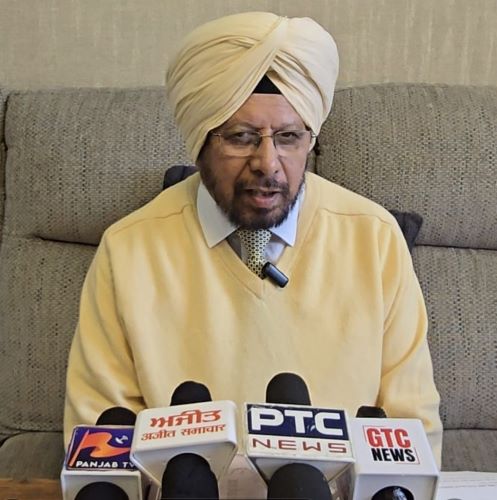
Sital Singh Gill, Community Leader and General Secretary of the Indian Workers Association (Great Britain), has called for an evidence-based debate following calls by Reform UK politicians to remove long-standing legal exemptions allowing practising Sikhs to carry the kirpan, a sacred article of faith.
Responding to the controversy following the tragic death of 18-year-old Henry Nowak in Southampton, Mr Gill expressed sympathy for the victim’s family while warning against attempts to use a single criminal case to undermine the rights and religious freedoms of an entire community.
Mr Gill said:
“The death of Henry Nowak is a terrible tragedy, and our thoughts are with his family, friends and loved ones. Those responsible for violent crime must be brought to justice and punished according to the law.
However, it would be wrong to use the actions of one individual to question the rights and freedoms of millions of law-abiding Sikhs. The Sikh community fully supports public safety and effective action against violent crime, but public safety and religious freedom are not opposing values. Both can and must be protected together.
The kirpan is one of the Five Ks of the Sikh faith and symbolises justice, responsibility, self-discipline and the duty to protect the vulnerable. It is not carried as a weapon. For generations, Sikhs in Britain have carried the kirpan responsibly while contributing significantly to public life, healthcare, education, business, the Armed Forces and charitable work.
The legal recognition of the kirpan is not a special privilege. It reflects Britain’s longstanding commitment to religious freedom, tolerance and equality before the law. No one is above the law, and anyone who misuses a kirpan or any other object to commit a crime should be prosecuted accordingly.
It is also important to note that reports of the court proceedings suggest that the prosecution’s case was that the fatal attack involved a larger blade rather than the ceremonial kirpan carried as an article of faith. This underlines the need for public debate to be based on facts and evidence rather than assumptions.
Knife crime is a serious national issue, but the overwhelming majority of knife-related offences have nothing to do with practising Sikhs or the carrying of kirpans. Public policy should be based on evidence, not fear or division.
Many Sikhs are concerned that this debate risks fuelling prejudice towards Sikhs and other minority communities. At a time when Britain faces major challenges, including rising violent crime, pressures on the NHS, housing shortages, the cost-of-living crisis and growing economic inequality, political leaders should focus on addressing those issues rather than targeting the religious practices of law-abiding minorities.
This issue goes beyond one legal exemption. It concerns religious freedom, minority rights, equality before the law and the values of a fair and inclusive society. We must not allow the actions of one individual to become the basis for restricting the rights of an entire faith community.”