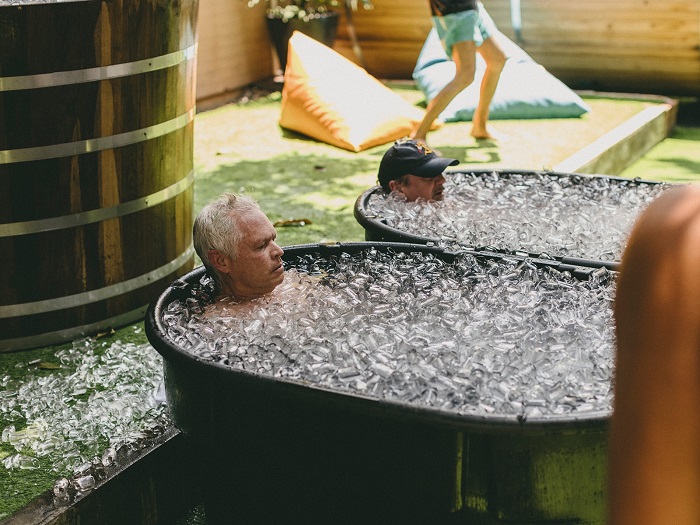

(Asian independent) Ice bath therapy is scientifically known as cold-water immersion (CWI) and it has gained worldwide attention and popularity in sports medicine, rehabilitation science, mental health research and holistic wellness practices. It was traditionally used by athletes for physical recovery, ice baths are now being explored for their broader physiological, psychological and even spiritual benefits.
An ice bath involves immersing the body partially or fully in cold water, typically ranging between 10–15°C for a controlled duration. The cold exposure has been an integral part of ancient healing traditions such as hydrotherapy,cold water plunges and Ayurvedic and yogic austerities (tapasya).
PHYSIOLOGICAL BASIS OF ICE BATH THERAPY
THERMOREGULATION AND VASOCONSTRICTION
When the body is exposed to cold water:
Peripheral blood vessels constrict (vasoconstriction) to reduce heat loss
Blood flow is redirected to vital organs
Metabolic heat production increases
This response helps reduce tissue temperature, inflammation and metabolic activity in muscles.
INFLAMMATION AND MUSCLE RECOVERY
COLD-WATER IMMERSION:
Reduces delayed onset muscle soreness (DOMS).
Limits secondary muscle damage by decreasing inflammatory cytokines.
Slows nerve conduction velocity, reducing pain perception.
These effects make ice baths popular among athletes following intense physical exertion.
NERVOUS SYSTEM MODULATION
Ice baths activate the parasympathetic nervous system via stimulation of the vagus nerve, leading to reduced heart rate,improved heart rate variability,enhanced autonomic balance.
This shift promotes recovery, relaxation and systemic resilience.
HOW TO TAKE AN ICE BATH?
Preparation
Use a tub, barrel or cold plunge pool with
water sustained at temperature ranging between 10–15°C.Ice may be added gradually to avoid shock.It is also advised to avoid heavy meals before immersion.
Procedure
Enter the bath slowly starting with feet and legs and then submerge up to waist or chest (head immersion is optional and advanced).It is essential to maintain calm, slow breathing to control the cold shock response.After the required duration exit gradually and dry the body immediately.
Duration
Beginners: 1–2 minutes
Intermediate users: 3–5 minutes
Advanced users: 5–10 minutes (maximum)
Prolonged exposure beyond recommended limits increases the risk of hypothermia.
PSYCHOLOGICAL BENEFITS OF ICE BATH THERAPY
STRESS REDUCTION AND MOOD ENHANCEMENT
Cold exposure triggers the release of:
Endorphins (natural painkillers),Norepinephrine which enhances alertness and mood.
This neurochemical response may help alleviate symptoms of anxiety, stress and mild depression.
MENTAL RESILIENCE AND DISCIPLINE
Regular ice baths cultivate:
Emotional regulation,improved stress tolerance,increased mental toughness.
The controlled exposure to discomfort strengthens cognitive control over physiological reactions.
SPIRITUAL AND MIND-BODY DIMENSIONS
While spirituality is subjective, ice baths are often described as:
A practice of mindful enlightenment,heightened body awareness,A gateway to meditative states through breath control
Cold immersion forces the practitioner into the present moment, aligning body, breath and awareness—a principle central to yogic and contemplative traditions.
BENEFITS FOR SUSTAINING HOLISTIC HEALTH
PHYSICAL HEALTH
Enhanced recovery and reduced muscle fatigue,improved circulation and vascular tone,potential immune system modulation.
PSYCHOLOGICAL HEALTH
Reduced stress and anxiety,improved sleep quality,enhanced emotional resilience,holistic and preventive health
promotes self-discipline and routine.It also encourages mind-body integration and supports healthy aging through autonomic balance.
PROS AND CONS OF ICE BATH THERAPY
PROS
Non-pharmacological and cost-effective,rapid recovery aid,improves stress tolerance and resilience,it also enhances mental clarity.
CONS
Risk of hypothermia if misused
Not suitable for individuals with:
Cardiovascular disease,severe asthma
May blunt muscle hypertrophy if overused post-strength training.
SAFETY CONSIDERATIONS
Always consult a healthcare professional if underlying medical conditions exist
Avoid ice baths when ill or fatigued
Never exceed recommended duration.
Discontinue immediately if dizziness, numbness, or chest discomfort occurs
Ice bath therapy represents a compelling intersection of traditional wisdom and modern medical science. When practiced responsibly, cold-water immersion offers significant benefits for physical recovery, psychological resilience and holistic well-being. While not a universal remedy, it serves as a powerful adjunct to healthy lifestyle practices.
Dr. SURINDERPAL SINGH
FACULTY IN SCIENCE DEPARTMENT
SRI AMRITSAR SAHIB PUNJAB.