

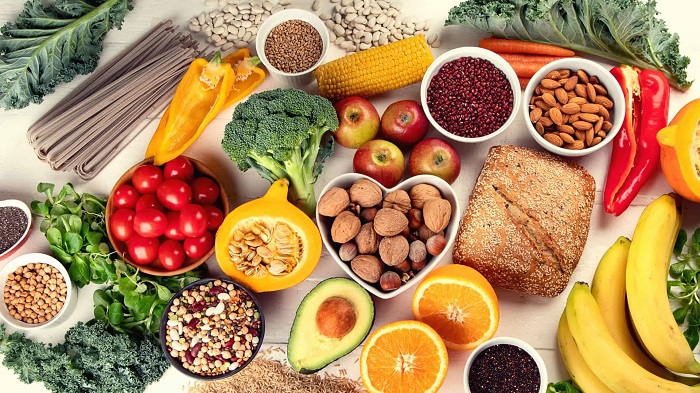

(Asian independent) Nowadays there is a unique style in dietary trends they come and go in which one element is considered as steadfast pillar of human nutrition: fiber. The importance of fiber and roughage is often overshadowed by the latest superfoods and fad diets. Fiber and roughage are crucial components of a balanced diet and they play a significant role in maintaining overall health and preventing the human body from various chronic diseases.
WHAT IS FIBER?
Fiber is a type of carbohydrate which is found in plant-based foods .Fibers are primarily classified into two categories: soluble and insoluble. Soluble fiber dissolves in water and can help in lowering cholesterol levels and glucose levels in human body. Fiber is found in foods such as oats, beans, lentils, fruits, and vegetables. Insoluble fiber on the other hand which does not dissolve in water and are essential for digestive health. It adds bulk to stool and aids in moving food through the digestive tract.Insoluble fiber are found in whole grains, nuts, and the skins of fruits and vegetables.
THE HEALTH BENEFITS OF FIBER
DIGESTIVE HEALTH:
The most important benefit of fiber is its positive impact on digestive health. Insoluble fiber helps prevent constipation by promoting regular bowel movements. According to the various Gastroenterological Associations the diet rich in fiber can reduce the risk of developing diverticular disease and hemorrhoids.
HEART HEALTH:
Soluble fiber has been shown to lower LDL (bad) cholesterol levels, thus reducing the risk of heart disease. Researchs have found that individuals who consumed higher amounts of dietary fiber had a significantly lower risk of cardiovascular disease.
WEIGHT MANAGEMENT:
High-fiber foods tend to be more filling than their low-fiber counterparts which can aid in weight management. Foods rich in fiber require more chewing and take longer to digest leading to increased satiety and reduced overall calorie intake.
BLOOD SUGAR CONTROL:
For those with diabetes or at risk for developing the condition fiber can play a crucial role in blood sugar management. Soluble fiber slows down the absorption of sugar helping to improve blood sugar levels and reduce spikes after meals.
GUT MICROBIOME:
Recent researches has confirmed the importance of fiber for gut health. Fiber serves as a prebiotic feeding the beneficial bacteria in our intestines. A diverse gut microbiome is linked to improved immunity, better digestion, and even mental health.
RECOMMENDED INTAKE
Despite its numerous benefits, many individuals fail to consume adequate amounts of fiber. The Dietary Guidelines recommend that adults consume 25 grams of fiber per day for women and 38 grams for men.
HOW TO INCREASE FIBER INTAKE?
To reap the health benefits of fiber experts recommend gradually increasing intake of fiber to avoid digestive discomfort.
Here are some practical tips:
•Start with Breakfast:
Choose whole-grain cereals or oatmeal topped with fruits.
•Snack Smart:
Opt for raw vegetables, fruits, or nuts instead of processed snacks.
•Incorporate Legumes:
Add beans or lentils to salads, soups, and stews.
•Choose Whole Grains:
Replace white bread and pasta with whole-grain alternatives.
•Don’t Forget Fruits and Vegetables:
Aim for at least five servings per day.
As different latest researches continues to unveil the benefits of fiber and roughage it is clear that these often-overlooked nutrients are vital for sustaining human health. By prioritizing fiber-rich foods in our diets we can enhance our well-being and reduce the risk of chronic diseases.The modern world is filled with dietary distractions let us not forget the power of nature’s simplest offerings—fiber may just be the unsung hero our bodies need.
Dr. SURINDERPAL SINGH
FACULTY IN SCIENCE DEPARTMENT
SRI AMRITSAR SAHIB PUNJAB.