THE ASIAN INDEPENDENT UK

Bal Ram Sampla
Geopolitics
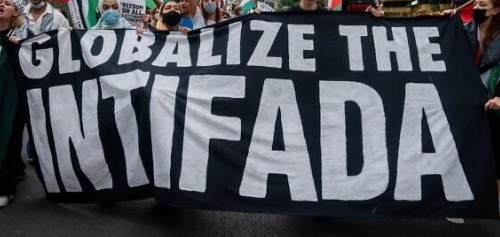
After years of taking no action, British police have announced they will start arresting people who use certain slogans at protests. This marks a major shift in how the police handle protest speech.
On December 17, 2024, the Metropolitan Police and Greater Manchester Police announced they would now arrest anyone chanting “globalise the intifada” at demonstrations. Within hours, two people were arrested at a protest in Westminster for using this phrase.
For years, police have heard complaints from Jewish communities about this chant and similar slogans. Many people found these words threatening and frightening. But the police said they couldn’t act because prosecutors told them the phrases didn’t break the law.
The police say things are different now because of recent terror attacks. In Sydney, Australia, attackers killed several people at Bondi Beach during a Hanukkah celebration. There was also an earlier attack at a synagogue in Manchester. Police chiefs say these events changed the threat level and made them rethink their approach.
The Metropolitan Police Commissioner and Greater Manchester Chief Constable wrote that they need to be “more assertive” given the rising dangers facing Jewish communities.
The Debate
This change has created strong reactions on both sides.
Some people welcome the new approach. They say police ignored Jewish concerns for too long while communities felt unsafe. They argue this isn’t about limiting free speech but about stopping threats and intimidation.
Others worry about freedom of protest. Campaign groups say this is political repression and that the phrase is about supporting Palestinian rights, not threatening violence. They point out that different police forces across Britain are taking different approaches, with Police Scotland saying they won’t automatically arrest people for these words.
Questions About Fair Treatment
The biggest controversy is whether police have treated different groups fairly. Critics have used the term “two-tier policing” to describe what they see as inconsistent responses to different protests and different communities.
For years, police said they couldn’t act on these chants because they didn’t meet the legal threshold for prosecution. Now, with the same laws in place, they’re making arrests. This raises questions: Has the law changed, or has the willingness to enforce it changed? And if it’s the latter, why did it take so long?
Looking Forward
Prime Minister Keir Starmer has backed the police action and said the government is reviewing public order laws. He stated he has “no illusions” about what the controversial chant means.
What happens next will depend on several things. Will courts uphold these arrests? Will other police forces follow the same path? And will this approach actually make communities safer, or will it create more division?
One thing is clear: after years of inaction, police have decided the time has come to draw a harder line on protest speech they believe crosses into intimidation and threat. Whether this is too late, too heavy-handed, or just right depends on who you ask.
References
1. https://www.itv.com/news/2025-12-17/two-arrested-after-police-ban-chants-of-globalise-the-intifada
2.https://www.thejc.com/news/uk/globalise-the-intifada-banned-london-manchester-kdyyntwh
3.https://www.thejc.com/news/politics/starmer-public-order-review-globalise-intifada-chant-wp4l4l0h
4.https://youtu.be/-P-fpFhim7k?si=q7MOH6bWF0dUT8Mx