THE ASIAN INDEPENDENT UK

Bal Ram Sampla
Geopolitics
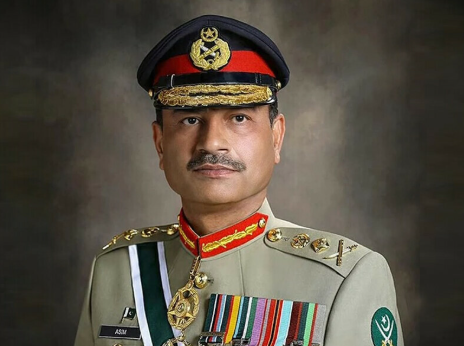
Pakistan’s top military leader, Field Marshal Asim Munir, faces one of the toughest decisions of his career. President Trump wants Pakistani troops to help stabilize Gaza as part of his Middle East peace plan. Munir is expected to travel to Washington soon to discuss this request. The problem is simple but serious: saying yes could damage him at home, but saying no could harm Pakistan’s relationship with America.
The American Pressure
Trump has proposed a twenty-point plan for Gaza that includes having Muslim countries send peacekeeping troops to oversee reconstruction. Pakistan, with its large and experienced military, is an obvious candidate. Trump and Munir have developed a close working relationship. In fact, Munir made history by being the first Pakistani army chief to have a private lunch with an American president at the White House. That meeting happened in June, and it showed how much Trump values this connection.
For Pakistan, keeping Trump happy matters. The country desperately needs American investment and security assistance. Disappointing Trump now, when the relationship seems strong, could cost Pakistan dearly in the years ahead. From a strategic viewpoint, contributing troops makes sense for maintaining this important partnership.
The Danger at Home
But back in Pakistan, sending troops to Gaza would likely trigger fierce opposition. Critics would immediately accuse Munir of helping Israel and betraying the Palestinian cause. This is not an empty threat. Pakistan has powerful Islamist political parties that can bring thousands of protesters into the streets. These groups have strong feelings about Palestine and Israel.
Making matters worse, supporters of jailed former Prime Minister Imran Khan already have grievances against Munir. They would likely use this issue to attack him further and organize demonstrations. Even though the government banned a violent anti-Israel party in October, the ideology behind such groups remains influential in Pakistani society.
Many Pakistanis feel strongly about the Palestinian issue. For decades, Pakistan has officially supported Palestine and refused to recognize Israel. Sending troops to Gaza, even for peacekeeping, could be seen as a betrayal of these principles. The public backlash could be severe and long-lasting.
Munir’s Unusual Power
What makes this situation unique is Munir’s extraordinary position. He was recently given powers that no Pakistani military leader has held in years. He now commands all branches of the military, not just the army. His term was extended until 2030, and new constitutional amendments gave him lifetime immunity from prosecution. In theory, he has the authority to make this decision without much pushback from other institutions.
However, even unlimited official power cannot protect a leader from public anger. The Pakistani military has always been sensitive to its public image. Throughout history, military leaders have faced consequences when they were seen as too aligned with American interests at the expense of popular sentiment.
Walking the Tightrope
Munir is truly walking a tightrope. On one side is Trump and the promise of American support, investment, and security cooperation. On the other side is the Pakistani public, religious parties, and political opponents waiting to pounce on any misstep. Pakistan’s Foreign Minister has already tried to find middle ground, suggesting the country might contribute peacekeepers but clarifying that disarming Hamas would not be part of their mission.
Perhaps Munir will look for a compromise during his Washington visit. He might offer a small, symbolic contribution of troops rather than a major deployment. He might propose non-combat roles or humanitarian assistance instead of active peacekeeping. He might delay any decision while seeking more guarantees about what exactly Pakistani troops would do in Gaza.
Whatever he decides, the choice will define his legacy. If he agrees to Trump’s request and faces massive protests at home, his authority could be undermined despite his constitutional protections. If he refuses Trump and the relationship with Washington suffers, Pakistan’s economy and security could pay the price. There may be no perfect answer, only the least bad option.
For now, all eyes are on the upcoming Washington meeting. Munir’s dilemma shows how difficult it can be for smaller nations to balance their relationships with powerful countries while keeping their own people satisfied. In the end, he must choose between international strategic interests and domestic political survival. It is a choice no leader wants to make.
References
1.https://www.timesofisrael.com/us-presses-pakistan-to-join-gaza-force-testing-powerful-military-chiefs-authority-at-home/
2.https://www.business-standard.com/world-news/asim-munir-us-visit-donald-trump-gaza-troops-deployment-pakistan-125121700675_1.html
3.https://moderndiplomacy.eu/2025/12/17/pakistans-army-chief-asim-munir-faces-defining-test-over-trumps-gaza-plan/
4. https://www.khaama.com/trump-asks-pakistan-to-send-troops-for-gaza-stabilization/?amp=1