

THE ASIAN INDEPENDENT UK

Bal Ram Sampla
Geopolitics
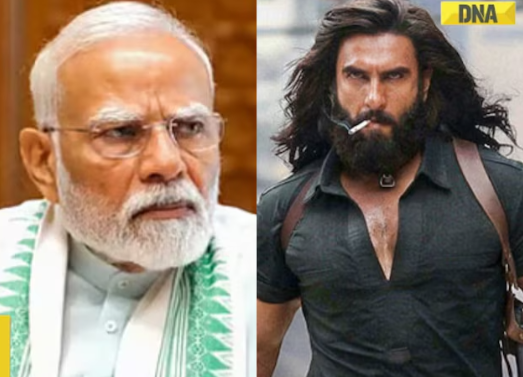
In a stunning display of irresponsible journalism, Pakistani commentators Naeem Hanif and Mubashir Luqman made a claim on primetime television that defies basic logic and journalistic standards. They asserted that Indian Prime Minister Narendra Modi personally wrote, vetted, or approved the script of the Bollywood film “Dhurandhar.” This wasn’t presented as speculation or satire—Hanif claimed to have “credible information” about Modi’s direct involvement in scripting a three-hour spy thriller.
The claim is preposterous on its face. A sitting prime minister, responsible for governing a nation of 1.4 billion people, does not moonlight as a Bollywood screenplay editor. The suggestion that Modi personally reviewed and approved every scene, dialogue, and plot point of a commercial film is so disconnected from reality that it immediately became an international joke. Indian social media users rightfully ridiculed the assertion, and the commentators became a laughing stock far beyond their intended audience.
What makes this particularly damning is that these aren’t random social media trolls—they’re professional journalists with platforms and audiences. Hanif holds the position of president of the Punjab Union of Journalists. When people in such positions make wildly unsubstantiated claims on television, they damage not just their own credibility but the credibility of journalism itself.
The most charitable interpretation is that they were attempting heavy-handed political commentary, trying to suggest the film aligns with the Indian government’s political messaging. But even if that were their intent, presenting conspiracy theories as fact is journalistic malpractice. There are legitimate ways to critique a film’s political undertones without fabricating stories about prime ministerial screenplay approvals.
This incident highlights a broader problem: when commentators prioritize sensationalism and political point-scoring over truth, they become propagandists rather than journalists. The fact that “Dhurandhar” has been banned in six Gulf countries and sparked genuine controversy about its portrayal of Pakistan shows there are real issues worth discussing. But those substantive conversations get drowned out when supposedly serious commentators traffic in absurdities.
The Modi script claim isn’t just wrong—it’s lazy, irresponsible, and embarrassing. It shows a complete disregard for evidence, logic, and the basic responsibilities that come with having a public platform. When journalists abandon standards to this degree, they don’t just lose credibility—they become the story themselves, and not in the way they intended.
References
1.https://www.dnaindia.com/bollywood/report-dhurandhar-ki-script-pm-narendra-modi-ne-pakistani-journalist-s-claims-on-ranveer-singh-s-blockbuster-leave-netizens-in-splits-viral-video-3193078
2.https://enews.hamariweb.com/trending/is-dhurandhar-movie-indirectly-targeting-bilawal-bhutto-for-his-strong-remarks-against-modi/
3.https://en.dailypakistan.com.pk/13-Dec-2025/gulf-countries-ban-indian-film-dhurandhar-over-anti-pakistan-content