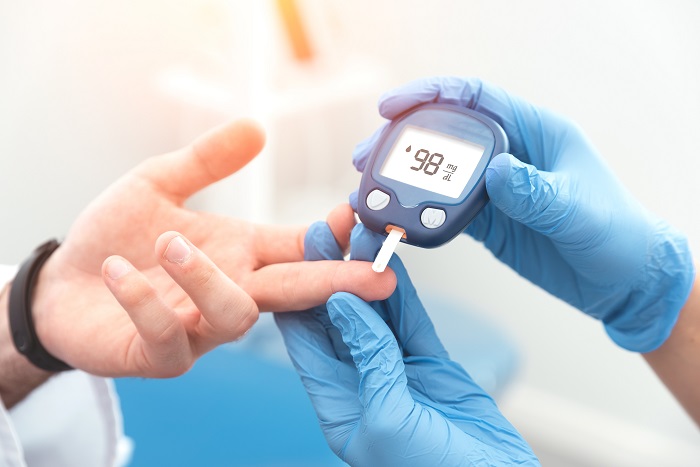

(Asian independent) Diabetes mellitu is on the verge of becoming the global health challenges of the twenty-first century. It is a chronic metabolic disorder characterized by elevated blood glucose levels due to impaired insulin production, reduced insulin sensitivity or a combination of both. The various health surveys has identified diabetes as a leading cause of blindness, kidney failure, heart attack, stroke and lower-limb amputation. While scientific understanding of diabetes has deepened and treatments have progressed dramatically, the disease continues to expand in prevalence across urban and rural communities alike.
UNDERSTANDING THE BIOLOGICAL BASIS OF DIABETES
Insulin is a hormone which is produced by the beta cells of the pancreas. It plays a crucial role in regulating blood glucose by promoting its uptake into muscle, fat and liver cells, where glucose is either utilized for energy or stored for later use. When insulin is insufficient or ineffective, glucose accumulates in the bloodstream, leading to hyperglycaemia.
There are several major forms of diabetes:
TYPE 1 DIABETES
Type 1 diabetes results from autoimmune destruction of pancreatic beta cells. The immune system mistakenly recognizes these insulin-producing cells as foreign and attacks them. Individuals with type 1 diabetes depend on lifelong insulin therapy. The onset is often in childhood or adolescence, though it can appear at any age. Genetic predisposition plays a role, but environmental triggers such as viral infections are believed to initiate the autoimmune response.
TYPE 2 DIABETES
Type 2 diabetes is characterized by insulin resistance, meaning the body’s tissues respond inadequately to insulin. Over time, the pancreas attempts to compensate by producing more insulin but this capacity declines gradually leading to relative insulin deficiency. Type 2 diabetes is strongly linked to obesity, physical inactivity, aging, genetics, socioeconomic conditions and dietary patterns high in refined carbohydrates and saturated fats. It represents around 90 percent of all diabetes cases globally.
GESTATIONAL DIABETES AND OTHER FORMS
Gestational diabetes occurs during pregnancy due to hormonal changes that reduce insulin sensitivity. Some individuals develop diabetes secondary to pancreatic disease, steroid use, hormonal disorders, or rare single-gene defects (often referred to as monogenic diabetes).
CAUSES AND RISK FACTORS
A complex interaction exists between genetics and environment. Key risk factors include:
Family history of diabetes.
Obesity, especially central or abdominal obesity.
Sedentary lifestyle.
Poor dietary patterns, particularly high sugar and processed foods.
Aging.
Hypertension and abnormal blood lipid levels.
Exposure to chronic stress and poor sleep.
Polycystic ovary syndrome in women.
Rapid urbanization, reduced physical activity and increased consumption of calorie-dense foods have contributed to sharp rises in type 2 diabetes globally. Public health experts increasingly emphasize that diabetes prevention is not solely a matter of individual choice but is influenced by food systems, economic conditions and cultural practices.
COMPLICATIONS AND LONG-TERM RISKS
Persistently high blood glucose harms multiple organs due to oxidative stress, inflammation and damage to blood vessels and nerves. The major complications can be divided into microvascular and macrovascular categories.
MICROVASCULAR COMPLICATIONS
1. Diabetic Retinopathy: Damage to the small blood vessels of the retina leads to vision impairment and blindness.
2. Diabetic Nephropathy:
Progressive kidney damage can culminate in chronic kidney disease and the need for dialysis or kidney transplantation.
3. Diabetic Neuropathy:
Nerve damage causes numbness, burning pain and loss of protective sensation in the feet, which increases the risk of ulcers and amputation.
MACROVASCULAR COMPLICATIONS
1. Coronary artery disease (heart attack)
2. Cerebrovascular disease (stroke)
3. Peripheral arterial disease (reduced blood flow to limbs)
Cardiovascular disease remains the leading cause of death in people with diabetes. Effective management therefore requires not only glucose control but also management of blood pressure, lipids, and lifestyle factors such as smoking cessation.
PRECAUTIONS AND PREVENTION STRATEGIES
While type 1 diabetes cannot yet be prevented, type 2 diabetes can often be delayed or avoided. Key lifestyle measures include:
Maintaining a balanced diet rich in whole grains, legumes, vegetables and unsaturated fats.
Reducing consumption of processed foods and sugary beverages.
Engaging in at least 150 minutes of moderate-intensity exercise per week.
Achieving and maintaining a healthy body weight.
Ensuring regular medical checkups for blood glucose monitoring.
Learning self-care practices related to foot care, oral health and eye examinations.
Public health interventions such as community exercise programs, taxation on sugar-sweetened beverages and food labeling policies have shown benefit in reducing diabetes risk at a population level.
CURRENT TREATMENT APPROACHES
LIFESTYLE AND NUTRITION
Nutrition therapy remains the foundation of diabetes management. Weight reduction of even 5 to 10 percent can significantly improve insulin sensitivity. Structured exercise improves glucose uptake and cardiovascular health.
ORAL AND INJECTABLE MEDICATIONS
Metformin is generally the first-line drug for type 2 diabetes. Other medication classes include sulfonylureas, DPP-4 inhibitors, thiazolidinediones, SGLT2 inhibitors, and GLP-1 receptor agonists. Newer dual-hormone agents, particularly those combining GLP-1 and GIP receptor activation have shown exceptional results in weight reduction and glucose control.
INSULIN THERAPY
Insulin is essential for type 1 diabetes and is often required in advanced type 2 diabetes when pancreatic beta cell failure progresses. Technological aids such as continuous glucose monitors and insulin pumps have improved monitoring and treatment precision.
METABOLIC AND BARIATRIC SURGERY
Surgical interventions such as gastric bypass and sleeve gastrectomy significantly improve insulin sensitivity and can induce remission of type 2 diabetes in selected individuals. Surgery is considered when obesity is severe or when other therapies have failed.
COST OF DIABETES TREATMENT
Costs vary widely across regions. In many countries, older oral medications and human insulin are relatively affordable, while newer drugs and insulin analogs can be expensive. Technologies like insulin pumps and continuous glucose monitoring devices involve higher initial and maintenance costs. Accessibility remains a significant challenge in low- and middle-income countries. Policymakers face the task of expanding access to essential medicines while balancing the introduction of advanced therapies.
STEM CELL THERAPY AND THE QUESTION OF REVERSAL
Stem cell therapy has generated considerable hope for a biological cure. The goal is to replace or regenerate lost beta cells or create insulin-producing cells from stem cells. Several approaches are in development:
1. Allogeneic stem cell-derived beta cells: Donor-derived cells are differentiated in laboratories and transplanted into patients.
2. Autologous stem cell regeneration:
A patient’s own cells are reprogrammed into insulin-producing cells.
3. Encapsulation technologies:
Protect transplanted cells from immune destruction without requiring lifelong immune-suppressing medications.
CURRENT REALITY
There have been remarkable cases where patients with long-standing type 1 diabetes regained insulin production for months to years after experimental cell-based transplants. However, these successes are limited to small clinical trials. Challenges include:
Immune rejection of implanted cells.
Risk of tumor formation.
High cost and complex manufacturing.
Need for continued immune suppression in some models.
CAN DIABETES BE FULLY REVERSED?
As of now, no universally available, safe, and durable cure exists for diabetes. Stem cell therapy is promising but still experimental. Large-scale clinical trials and regulatory approval will take time. Patients should be cautious of unregulated clinics that claim guaranteed cures.
Diabetes continues to pose a profound medical and public health challenge. While the disease arises from complex biological and environmental influences, its complications are largely preventable with early diagnosis, consistent management and supportive policy environments. Advances in glucose-lowering drugs, metabolic surgery, digital monitoring tools and patient education have improved both quality of life and clinical outcomes. Stem cell-based therapies offer genuine hope for future disease modification and perhaps eventual functional cures. However, these therapies remain in developmental stages and are not substitutes for established, evidence-based treatment.
The future of diabetes care will depend on a combined strategy: empowering individuals with knowledge and support, equipping health systems to provide comprehensive long-term care and continuing responsible scientific researches that moves steadily, ethically and transparently toward the possibility of true remission or reversal.
SURINDERPAL SINGH
FACULTY IN SCIENCE DEPARTMENT
SRI AMRITSAR SAHIB PUNJAB.
click on the link below to download ‘The Asian Independent App’
https://play.google.com/store/apps/details?id=in.yourhost.theasianindependent
https://play.google.com/store/apps/details?id=in.yourhost.theasianindependent