THE ASIAN INDEPENDENT UK

Bal Ram Sampla
Geopolitics
Cricket has always been more than just a game between India and Pakistan. For decades, it served as a bridge between two nations divided by politics and conflict. When politicians couldn’t talk, cricketers could still play. When borders were closed, cricket stadiums remained open to hope and friendship. This was called “cricket diplomacy.”
But recent events show that this era might be over.
The Gun-Firing Celebration That Changed Everything
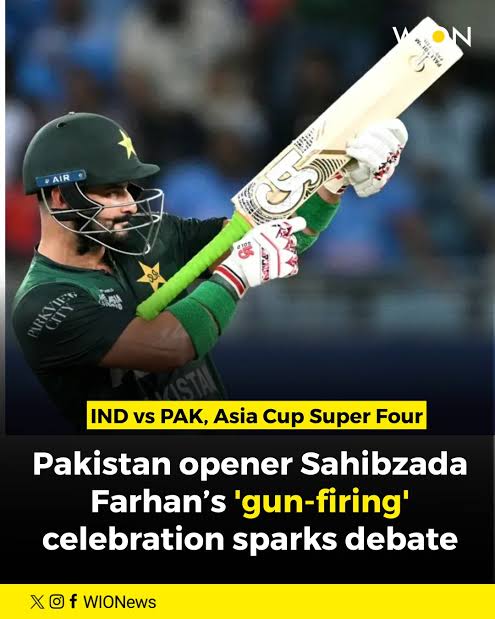
During the Asia Cup 2025 match between India and Pakistan, Pakistani opener Sahibzada Farhan reached his half-century and celebrated by pretending his cricket bat was a rifle. He mimicked firing a gun toward the Indian team and crowd. This happened just months after the Pahalgam terrorist attack in April 2025, where 26 innocent people were killed by armed terrorists.
The timing couldn’t have been worse. The gesture couldn’t have been more insensitive.
Farhan’s celebration sent a clear message, whether he intended it or not. Instead of celebrating cricket skill, he chose to mimic violence. Instead of showing sportsmanship, he displayed provocation. Instead of building bridges, he seemed to celebrate conflict.
This wasn’t just a moment of poor judgment. It was a symbol of how cricket between these two nations has changed. The sport that once brought people together now reflects the same tensions that keep the countries apart.
The Death of Cricket Diplomacy
Cricket diplomacy used to mean something special. It meant that even when governments couldn’t agree, people could still cheer together. It meant that a beautiful cover drive or a perfect yorker could make everyone forget politics for a moment.
We saw this magic during Atal Bihari Vajpayee’s visit to Lahore in 1999. We saw it when Indian fans cheered for Pakistani players, and Pakistani fans applauded Indian heroes. Cricket was a language both countries spoke fluently, even when they couldn’t speak to each other politically.
But now, Indian players refuse to shake hands with Pakistani players after matches. Teams dedicate their wins to terror attack victims. Celebrations mock violence instead of celebrating sport. The cricket field has become another battlefield.
When Sport Stops Being Sport
The contrast is stark. When Abhishek Sharma and Shubman Gill demolished Pakistani bowling with their batting, it was like watching precision missiles – but their “assault” was pure cricket. Clean hits, perfect timing, skilful execution. This is how cricket should dominate – through talent, not through gestures that remind people of real violence.
Farhan’s gun celebration crossed a line. It turned sport into something ugly. It made cricket about conflict instead of competition.
What We Have Lost
Cricket diplomacy wasn’t just about politics. It was about humanity. It was about the idea that sport could be bigger than hate, that talent could be respected regardless of nationality, that a good game could make people smile even when everything else made them frown.
When a Pakistani fast bowler could bowl to an Indian batsman, and both could walk off the field with mutual respect, it showed the world what was possible. When crowds could appreciate good cricket regardless of which team played it, it proved that people wanted connection, not division.
Perhaps cricket diplomacy isn’t completely dead. Maybe it’s just sleeping, waiting for players and fans who remember that sport should unite, not divide. Maybe future cricketers will choose to celebrate runs with joy, not gestures that hurt people who have already suffered too much.
But for now, Farhan’s gun-firing celebration feels like the final nail in cricket diplomacy’s coffin. It shows that even cricket – the one thing that could sometimes rise above politics – has fallen victim to the same forces that keep two nations apart.
Cricket was supposed to be different. It was supposed to be better. Perhaps someday, it will be again. But today, the guns have silenced the cricket diplomacy that once gave hope to millions on both sides of the border.
The game continues, but the dream of cricket bringing peace seems to have been dismissed, just like so many diplomatic hopes before it.