Richa Mittal*
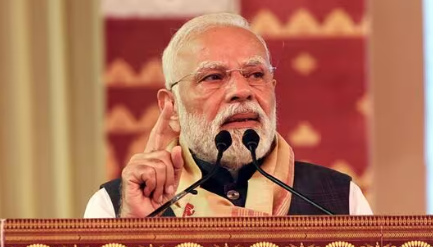
THE ASIAN INDEPENDENT UK– Prime Minister Narendra Modi, in his recent address, once again emphasized the philosophy of Atmanirbhar Bharat—urging citizens to prefer swadeshi products and support indigenous enterprises. He reminded the nation that self-reliance is not just an economic necessity but a cultural and strategic imperative. Just as the Swadeshi movement strengthened India’s freedom struggle, the same mantra, he argued, can ensure the country’s future prosperity [1].
However, while the government promotes self-reliance across industries, a contradictory picture emerges in the academic world. Indian academicians, regulatory bodies, and higher education authorities continue to push researchers and teachers toward publications in foreign-controlled indexing systems such as Scopus and Web of Science. The emphasis on these platforms—often at the cost of local, reputed journals and publishers—has created a culture of dependency that goes against the very grain of Atmanirbhar Bharat.
The over-reliance on Scopus and Clarivate has put Indian researchers at risk for a number of issues, as was noted in a previous investigation that was published in The Asian Independent (“Revealing the Truth: UGC CARE Indexing Services under Scrutiny”) [2]. First, the cost—authors are under increasing pressure to pay high fees in order to publish in journals that these foreign companies index. Second, the significance of domestic research endeavors is diminished when respectable Indian publishers are excluded from academic acknowledgment. The result is an academic ecosystem where recognition is outsourced, and merit is defined by external gatekeepers rather than by the intrinsic quality of research.
The irony is striking. On one hand, the Prime Minister appeals to the nation to buy locally-made goods and reduce dependence on foreign imports. On the other hand, India’s academicians and institutions remain locked in a cycle of academic import-dependence, where “quality” is equated only with a stamp from foreign-owned indexing agencies. This narrow definition of academic excellence stifles the growth of indigenous journals, discourages innovation in local publishing, and puts scholars under immense financial stress.
Self-reliance in research and education must mean more than just citing global benchmarks. It should include the strengthening of Indian publishers, recognition of quality in-house journals, and the creation of sustainable and transparent indexing systems that serve Indian academia rather than exploit it. Encouraging high editorial standards, blind peer review, and digital archiving within local platforms would not only ensure credibility but also free Indian researchers from the hegemony of pay-to-publish models.
If India is to achieve true Atmanirbharta, it cannot afford to ignore the academic publishing sector. Just as the Prime Minister urges consumers to choose “Made in India” products, policymakers and academicians must begin valuing “Published in India” research outlets. Only then can Indian scholarship flourish on its own terms, contributing to global knowledge while retaining its autonomy.
Ref:
[1]https://timesofindia.
[2]https://
(*Richa Mittal, Advocate Delhi High Court, is a distinguished professional with a multifaceted background as an economist and advocate practicing at the Delhi High Court. Her extensive expertise in both the legal and economic domains has positioned her as a leading authority in navigating the intricate intersection of law and economics. With a profound commitment to justice and a keen analytical mind, Richa has made remarkable contributions to the legal and economic landscape in India. Email: advocatericha80@