THE ASIAN INDEPENDENT UK

Bal Ram Sampla
Geopolitics
Lies and Damned Lies by Pakistan
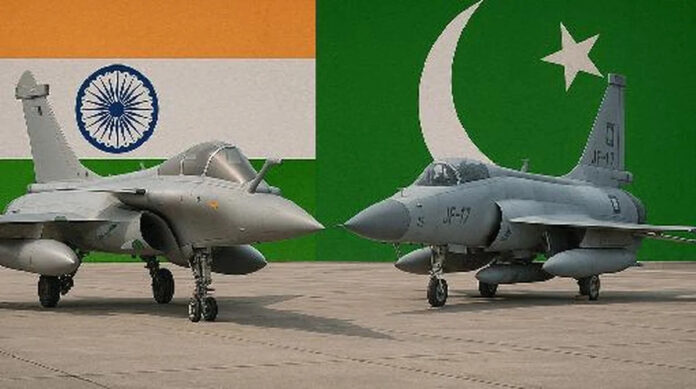
In modern conflict, wars are no longer fought just with tanks, fighter jets, and soldiers. Today, a new kind of battle takes place on smartphone screens, social media feeds, and news channels. This is called information warfare, where the main goal is not to capture land, but to control what people believe. The recent fake rumors about India begging Pakistan to restore the Indus Waters Treaty in exchange for airspace access, and past rumors about downing Rafale jets, are perfect examples of this tactic.
States spread these false stories for three main reasons:
(1) to hide weaknesses at home,
(2) to fight a cheaper war, and
(3) to confuse the rest of the world.
First, false propaganda is used as a shield to protect a government from its own citizens. When a country faces severe economic problems, internal political instability, or major strategic setbacks, its leaders need a distraction.
For example, when India took a tough stance by suspending the Indus Waters Treaty, it created deep anxiety in Pakistan about future water security. To save face domestically, actors manufactured a story that turned a position of weakness into a fictional victory, claiming India was desperate to make a deal. This keeps the local public happy and prevents them from questioning their own leaders.
Second, spreading lies is incredibly cheap compared to buying weapons. Matching a larger, wealthier neighbor jet-for-jet or ship-for-ship costs billions of dollars that a struggling economy simply does not have. In contrast, running a coordinated campaign of fake tweets, misleading videos, or false internet rumors costs almost nothing. If a fake story can make the opposing country’s public anxious or force their government to waste time issuing official denials, the state achieves a psychological victory on a tight budget.
Thirdly, international diplomacy runs on perception. By constantly putting out false claims, a state tries to muddy the waters so much that the international community gets confused. When global organizations see a messy web of accusations and counterclaims, they usually stop trying to find out who is right and simply call for “both sides to talk.” This helps the state that started the rumor by shifting attention away from serious issues, like cross-border terrorism, and turning it into a generic disagreement.
Ultimately, false propaganda is the weapon of choice for a nation that lacks real leverage on the ground. By creating imaginary triumphs online, they attempt to rewrite reality on the screen because they cannot change the actual balance of power in the real world.
Reference
1.https://www.pib.gov.in/Pressreleaseshare.aspx?PRID=2128748®=3&lang=2&hl=en-
2.https://thecalabashnewspaper.com/pakistans-fake-narrative-against-india-to-hide-its-own-mismanagement-of-water-resources/?hl=en
3.https://www.tbsnews.net/world/pakistan-closes-air-space-indian-airlines-warns-against-water-treaty-violation-1124926?hl=en-GB
4.https://www.arabnews.com/node/2648680/pakistan?hl=en