Balram Sampla
Geopolitics
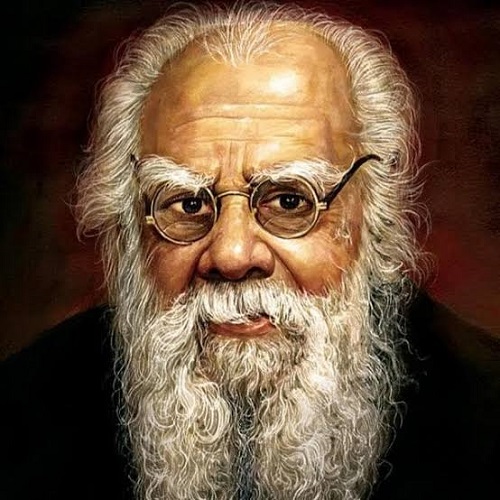
(Asian independent) E.V. Ramasamy, known as Periyar, was one of India’s most important social reformers. He died in 1973, but his ideas about caste, reason, and women’s rights still shape how people think and talk about these issues today, especially in Tamil Nadu.
His Main Ideas
Periyar believed in three things:
(1)self-respect,
(2)rational thinking,
(3)and social justice.
He said that Hindu religious texts and Brahmin priests had built and protected the caste system. He believed people needed to question and reject these religious beliefs in order to end caste discrimination, not just fix small problems within the system.
He started the Self-Respect Movement in 1925. It encouraged weddings without priests, rejecting caste-based titles, and marriages between people of different castes and religions. He believed everyone deserved dignity simply for being human , not because of the caste they were born into.
His Actions for Equality
Periyar didn’t just talk , he took action. He led protests demanding that lower-caste people be allowed into temples. He burned copies of the Manusmriti, an old text that supported caste and gender inequality. He also pushed for reservations (quotas) in jobs and education for backward castes, arguing that equal rights on paper meant nothing without real opportunities.
He was also one of the first Indian leaders to support women’s rights. He wanted women to have property rights, access to birth control, the right to remarry after being widowed, and freedom from being forced into housework. He believed that the way society treated women was similar to the way it treated lower castes. Both were based on false ideas about who was “naturally” superior.
Rational Thinking as a Tool
Periyar started a newspaper called Kudi Arasu and later formed a political organization called the Dravidar Kazhagam. He used logical arguments to fight against superstition and blind religious faith, which he saw as tools used to keep people obedient and oppressed. His ideas directly influenced Tamil Nadu’s major political parties, the DMK and AIADMK, which still refer to his legacy today.
Why He’s Still Relevant
Caste still exists: Even though the law says everyone is equal, caste discrimination, violence against inter-caste couples, and unfair treatment of lower castes still happen in India today.
(1)Tamil Nadu’s welfare policies
Many of Tamil Nadu’s social programs and reservation policies are traced back to the movement Periyar started.
(2) A figure of debate
Different political groups still use Periyar’s name, some to support secular and anti-caste politics, others to criticize his rejection of religion. This shows his ideas are still powerful.
Controversies
Periyar was not a comfortable figure, and many parts of his legacy are still debated.
Attacks on Hindu beliefs. He burned pictures of Rama and broke idols of Ganesha to protest what they represented. He also criticized the Ramayana, saying Rama treated Sita and other characters unfairly. Some see these acts as bold symbolic protest. Others see them as deeply disrespectful to Hindu religious feelings.
Harsh words against Brahmins. Periyar often blamed Brahmins as a group for the caste system. Critics say this went too far, turning a critique of a social system into criticism of an entire community, which led to real discrimination against Brahmins at times. But he called a “Spade a Spade”.
A complicated relationship with Dalit rights. While Periyar fought against caste, some scholars point out that his movement mainly helped intermediate castes (not the lowest, most oppressed castes) gain power. In some cases, these same castes have discriminated against Dalits, which complicates his image as a champion for all oppressed groups.
Support for a separate country. Periyar wanted a separate nation for South India, called Dravida Nadu, free from what he saw as North Indian and Brahmin control. Many saw this as anti-national. His political successors dropped this idea after a 1963 law banned such demands.
Conflict with Tamil pride movements. Even though Periyar supported Tamil identity, his rejection of religion and tradition upset some Tamil cultural leaders, who felt he was attacking Tamil heritage, not just Brahmin dominance.
Mixed views on his feminism. Some feminist scholars say Periyar’s support for women’s rights was mainly a tool to attack caste and religion, not a fully independent belief in women’s equality. His radical views on marriage were seen by many at the time as too disruptive.
Questions about his political choices. Periyar supported British rule during colonial times because he saw the Congress party as controlled by Brahmins. This, along with his shifting political alliances, led some to call him anti-national or opportunistic. His second marriage, late in life, to a much younger woman and his decision to make her his successor also caused controversy within his own movement.
Conclusion
Periyar wasn’t a quiet philosopher , he was a fighter who used shocking words and actions to make people question old traditions. He believed that real justice meant challenging the beliefs behind inequality, not just fixing its effects. Even his controversies keep his ideas alive today: different groups, political parties, Dalit activists, religious critics, and feminists all see him differently. But his core message still matters: no one’s dignity should depend on the caste they were born into.