By: Surjit Singh Flora

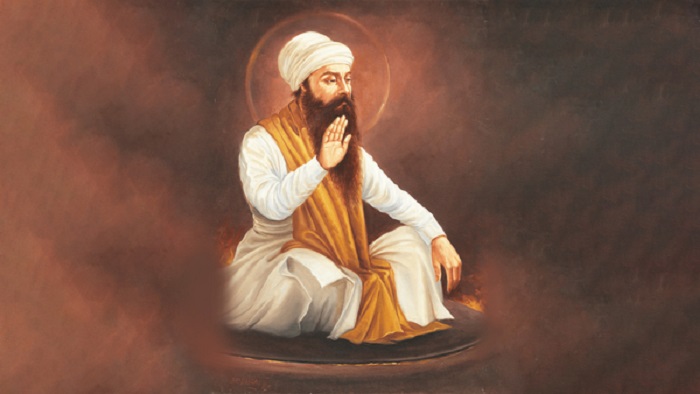
(Asian independent) In Sikh memory, Martyrdom Day is more than an anniversary. It recalls the death of Guru Arjan Dev Ji in 1606 and the moral force that followed it. His passing is remembered as the first great martyrdom in Sikh history.
Sikhs remember him as Shahidan-de-Sartaj, the Crown of Martyrs, because he accepted suffering without surrendering truth. His martyrdom is a story of faith, sacrifice, and religious freedom, but it is also a turning point in the history of the Sikh community. Each June, prayer, and service bring that memory into public view. That is why the date carries grief and resolve in equal measure.
Why Guru Arjan Dev Ji’s life changed Sikh history
Guru Arjan Dev Ji was the fifth Sikh Guru and the first martyr of the faith. Before his death, he had already given Sikhism stronger shape, public confidence, and enduring institutions.
From Goindwal to the Guruship
Born in Goindwal in 1563, he was the youngest son of Guru Ram Das Ji and Mata Bhani. He grew up around kirtan, scripture, and service. Guru Ram Das Ji chose him as successor in 1581, and that decision drew opposition from his elder brother, Prithi Chand.
The conflict mattered because the Sikh community was growing fast. Succession was no longer a family matter alone. Early resistance around the Guruship helped define the community’s internal discipline and its sense of lawful spiritual authority.
Why Shahidan-de-Sartaj still matters
The title Shahidan-de-Sartaj is plain and weighty. It says Sikh memory places him above later martyrs because he gave his life rather than bend truth to power. He did not seek death, and he did not renounce faith to escape it.
That is why the title still carries honor, grief, and moral authority. It binds his name to a standard of conscience that Sikh history never forgot.
The sacred work he left behind
His authority came from work that still shapes Sikh worship each day. Scripture, sacred space, and poetry all bear his imprint.
Compiling the Adi Granth and preserving sacred voices
In 1604, he compiled the Adi Granth, gathering the hymns of the earlier Gurus and his own bani. He also included selected verses from bhagats such as Kabir, Ravidas, Namdev, and Sheikh Farid. Their teachings matched Sikh belief in one God and rejected caste pride.
This gave the community a guarded canon and protected it from false additions. It also placed Sikh teaching beside voices from different social and religious backgrounds, without losing doctrinal discipline. Later, that text became the foundation of the Guru Granth Sahib.
Building Harmandir Sahib as a place open to all
He also shaped Harmandir Sahib in Amritsar, now known widely as the Golden Temple. Its four doors opened to every direction, which said that no group held a favored entrance. The shrine called for humility and access, not rank.
That message mattered in a society marked by caste lines and inherited status. In Sikh thought, worship had to remain open to all.
Among his compositions, Sukhmani Sahib remains one of the most loved. Its verses offer peace, remembrance, and trust in the Divine. The prayer shows the literary and spiritual depth of a Guru whose words still comfort people in distress.
How his martyrdom unfolded under Mughal rule
By 1606, the Sikh community had land, income, followers, and a respected center in Amritsar. That growth drew the notice of the Mughal court, where public influence often invited suspicion.
Why Jahangir saw him as a threat
Jahangir viewed Guru Arjan Dev Ji with hostility, and Sikh tradition links that mood to both politics and faith. The Guru’s following kept growing, while rival interests at court pressed complaints against him. Some accounts also connect the crisis to Prince Khusrau’s rebellion and his reported visit to the Guru.
In such a climate, an independent religious leader could seem dangerous to imperial authority. Court politics sharpened that fear, and pressure on the Guru followed.
Sikh tradition says Mughal authorities arrested him in Lahore and subjected him to torture. The best-known account describes the tatti tavi, (burning iron plate) a burning hot plate, and burning sand poured over his body. Historical sources differ on the last details, yet they agree that he died in Mughal custody in 1606.
“Tera Kiya Meetha Lage”
The line means that God’s will is sweet. In Sikh memory, those words show acceptance without surrender. Tradition also remembers him in chardi kala, a rising spirit that did not break under pain.
His martyrdom changed Sikh history. After it, the community took a harder view of power, and Guru Hargobind carried that change forward through the saint-soldier ideal.
Why Martyrdom Day is still observed with deep meaning
Sikhs observe Martyrdom Day, or Shaheedi Diwas, each June under the Nanakshahi calendar. The day joins remembrance with service, and that union gives it public force.
Gurdwaras hold kirtan, Akhand path or other scriptural readings, and prayers in honor of Guru Arjan Dev Ji. The observance is devotional, but it is also historical. It recalls a death under imperial power and the refusal to abandon conscience.
That keeps the day rooted in memory, not ceremony alone. The songs and readings return the community to the Guru’s words as well as his suffering.
Chabeel as service, not ceremony
The most visible practice is Chabeel, the offering of cold, sweet water, and sometimes milk, during summer heat. On streets, outside gurdwaras, and in cities far from Punjab, Sikhs give drinks to anyone who passes.
The act remembers the heat of Lahore, but it also expresses seva, or selfless service. In that way, remembrance becomes care for strangers, and sacrifice becomes a living ethic of equality, compassion, and religious freedom.
Guru Arjan Dev Ji remains central to Sikh memory because his life and death cannot be split apart. He gave the community scripture, a sacred center, and prayers that still shape daily devotion.
His martyrdom gave Sikh history a hard lesson about conscience, equality, and freedom of belief. That is why Martyrdom Day carries grief and clarity at once. His example endures because he refused to separate faith from truth.