

THE ASIAN INDEPENDENT UK

Bal Ram Sampla
Geopolitics
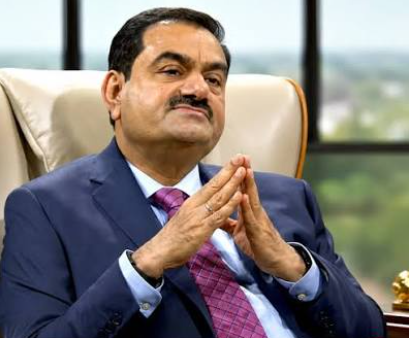
Adani Ports, a company owned by Indian billionaire Gautam Adani, is thinking about buying a controlling stake in Associated British Ports (ABP). ABP runs 21 ports across the UK, including some of the busiest ones like Southampton and Immingham. Adani has close business ties to the Indian government, and some people worry this could make the deal about more than just money.
The Good Side
More money coming in. A £10 billion-plus deal would be a huge vote of confidence in the UK economy. It could bring new investment into the ports, better equipment, and more jobs.
Stronger UK-India ties. Britain has been trying to build a closer trade relationship with India. A deal like this could be seen as a sign that relationship is working, and it might open doors for more UK businesses in India.
(1) Modernisation.
Adani Ports is a large, experienced operator. It might invest in upgrading UK ports, making them more efficient and competitive.
(2) The Risky Side
Control over critical infrastructure. UK ports handle about a quarter of the country’s trade. If a foreign company , one closely linked to a foreign government, controls that much of the country’s supply chain, the UK loses some ability to control its own trade routes in a crisis (for example, a war, pandemic, or diplomatic dispute).
(3) Political leverage.
Because Adani is seen as close to the Indian government, some worry that decisions about UK ports could end up shaped by what’s good for India’s foreign policy, not just what’s good for British trade. Even if this never actually happens, the possibility alone can worry security officials.
(4) Data and access risks.
Ports don’t just move goods — they also handle information about shipping routes, customs, and security. A foreign owner might gain access to sensitive information about what enters and leaves the country.
(5) Reputational risk for Britain.
Adani has faced corruption and bribery allegations abroad (though a major US case against him is fading). If the UK approves a deal with him during ongoing scrutiny, it could invite criticism that Britain is putting profit ahead of caution.
(6) Setting a precedent.
If this deal goes through smoothly, it could make it easier for other foreign, state-linked companies to buy up British infrastructure in future, which builds up
Conclusion
If the deal goes ahead, the UK could gain investment and stronger ties with India — but it would also be handing a large share of its trade infrastructure to a foreign company with government-linked ownership. The real risk isn’t necessarily that something bad will happen — it’s that Britain would have less control if something ever did.
Refetences
1.https://www.businesstoday.in/latest/corporate/story/adani-eyeing-foreign-shores-apsez-considers-controlling-stake-in-uks-associated-british-ports-545854-2026-07-29
2.https://theprint.in/india/tharoor-recalls-past-security-concerns-amid-adanis-proposed-msc-stake-transfer/2976471/
3.https://www.akingump.com/en/insights/alerts/q4-2025-update-uk-merger-control-and-national-securityinvestment-screening
4.https://www.india.com/business/gautam-adani-forts-apsez-abp-uk-largest-port-operator-united-kingdom-anchorage-ports-llp-hermes-infrastructure-fund-8487048/