
By: Surjit Singh Flora

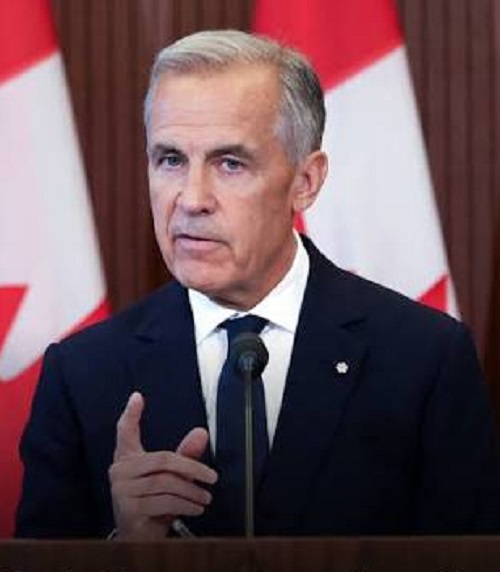
(Asian independent) Trade diplomacy isn’t a contest to see who can sound toughest. It’s about whether a country can defend its interests when the rules keep changing. The dispute with the United States was more concrete when talks broke down in August 2026, Prime Minister Mark Carney has said.
In the wake of new 50% U.S. tariffs on $20 billions of Canadian exports, Carney was right to stop treating every new demand as routine bargaining. Canada will need to respond with determined, legal responses, not just in the name of trade but also with the view to reducing exposure to the U.S. market.
And on August 18, President Trump put a three-day hold on proposed tariffs. “Indeed, substantial progress has been made,” Carney said, but that work was not finished.
The talks broke down between August 21 and 22 with no current talks. Then the United States imposed 50% tariffs on new Canadian products including clothing, hockey equipment, beer, wine, furniture, appliances, dairy products, steel-related goods, agricultural equipment, pulp and paper, and electronics. Canada said those measures had affected C$27.6 billion in goods, which is in line with previous reports of around US$20 billion in exports.
CUSMA, the deal that replaced NAFTA in 2020, remains in place, but duties have been reached on goods that would fall under it. This is why Carney’s tougher line is a reasonable response to repeated tariff threats, shifting demands and uncertainty from the Trump administration.
Sticking out isn’t the same as fighting. It’s a recognition that negotiations don’t go on when one party can reopen settled negotiations when political pressure changes in Washington.
Canada announced counter-tariffs effective September 8 at rates of 15%, 25%, and 50 percent on trade of U.S. products worth C$27.6 billion. Hence matching the affected trade value helps Canada in negotiating and signals to U.S. officials that escalation will come at a cost.
CUSMA was supposed to establish predictable rules for cross-border commerce. If qualifying goods can still be subject to sudden duties, then the dispute is more than simply about the sector. It’s about whether that agreement can be relied on at all.
A firm response has costs. Quebec, British Columbia and Ontario are vulnerable in manufacturing, forestry, farming, exports and cross-border supply chains. Counter-tariffs can raise prices for Canadian households and hurt companies which depend on U.S. parts. When layoffs or higher grocery bills get worse, political support can change quickly.
Carney’s government needs clear timetables, targeted measures, and direct assistance for affected workers and firms. And Washington needs to be ready to negotiate if it has a solid and enforceable deal. Toughness without a way out is not a strategy. The dispute has exposed Canada’s dependence on the U.S. market. Counter-tariffs may put an end to the immediate threat, but they won’t be the entire solution.
Carney needs to work with provincial premiers to bring in local investment and strengthen trade relationships with Mexico, Europe and other partners in the region. Canada needs to take the World Trade Organization and formal dispute process where necessary. It shouldn’t cut all direct contact with the United States. U.S. companies, state governments, and members of Congress can be helpful when federal policy gets punitive.
The 50% export fee on every Canadian product not covered by U.S. tariffs is a political idea, not policy. That could invite lawsuits, escalate things and hurt exporters who need U.S. buyers. Independent economic and legal reviews would be necessary before considering it.
Retaliation should be a bargaining tool, not an emotional punishment campaign. Canada also needs a serious investment plan that is rooted in public needs in housing, ports, health care, education, science and defense. Better planning will lower living costs, and U.S. pressure will be less damaging.
Carney’s tough response is warranted. Accepting unstable demands would weaken Canada’s position and invite the next round of pressure. But strength is measured by results, not political language. Canada must protect exposed provinces, limit unnecessary price increases, comply with trade agreements and keep on trying to build a CUSMA framework based on sound policy.