
THE ASIAN INDEPENDENT UK

Bal Ram Sampla
Geopolitics
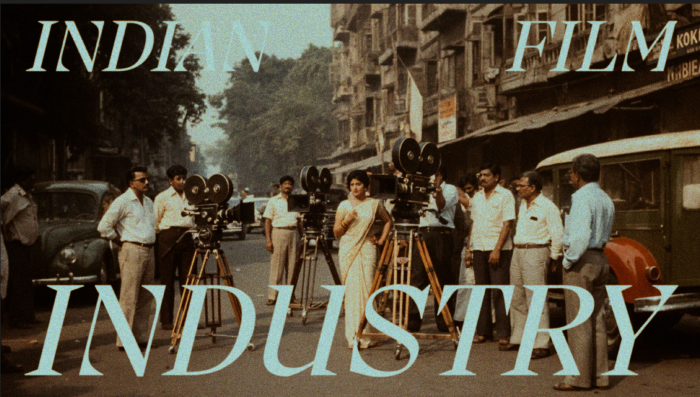
Bollywood is often seen as a glamorous world of stars, lights, and glossy stories. But behind the camera, on the sets where these films are made, old social patterns from Indian society continue to shape daily life, especially around something as basic as food.
A System of Tiers
Film sets are organized into strict groups:
(1) HODs (Heads of Department),
(2) “A-Crew” (senior technicians),
(3) “B-Crew” (junior assistants), and
(4) “C-Crew” (lightmen, grip staff, drivers, and construction workers).
Officially, these categories exist to manage large crews and keep shoots organized. But in practice, they end up deciding who eats well and who doesn’t, who gets shade and clean cutlery, and who is left standing in the heat with dirty plates.
Where Caste Comes In
India has a long history of using food to mark social status. For centuries, caste rules decided who could eat with whom, who could cook for whom, and who could even share a cup or plate. Higher castes were taught to avoid food touched by “lower” castes, and separate utensils or seating for certain groups were common in many parts of the country. This is called “commensality”, the idea that eating together (or not) is a way of showing who belongs to which social rank.
Even though caste is not officially part of a film set’s hierarchy, people who have worked in the industry say the same old pattern repeats itself. Senior crew members eat first, eat better, and eat in comfort. Junior workers, often doing the hardest physical labour, eat last, eat less, and eat in poor conditions.
One worker described the same dish being served differently to different tiers: onions and peanuts for the senior crew, just salt for the light boys. Small differences like this echo a much older idea , that some people deserve a “fuller” plate and others don’t.
Why It Matters
This isn’t just about food quality. It’s about dignity. When a director tells a crew member “why are you eating with the poor?”, it shows that these divisions aren’t only about saving money, they reflect deep-rooted attitudes about who matters and who doesn’t. Workers who do 12- to 16-hour days of manual labour, and depend entirely on set meals to get through their shift, are the ones treated worst.
A Simple Fix
Many crew members argue the solution is straightforward: everyone eats the same food, in the same space, regardless of job title. A few production houses already do this. It costs no more to serve one menu to everyone than to run separate, unequal ones — the difference is not budget, but respect.
Conclusion
Bollywood sells stories of equality and dreams to millions of people. But its own sets often reproduce one of India’s oldest forms of inequality , deciding, quite literally, who eats where, what, and how well. Recognizing this pattern is the first step toward changing it.
References
1.https://www.hollywoodreporterindia.com/features/insight/exclusive-the-dehumanising-reality-of-on-set-meals-in-bollywood-soda-laced-food-dirty-plates-and-class-segregation
2.https://www.academia.edu/106646692/Analyzing_caste_in_media_production_cultures_a_case_study_from_South_India
3.https://www.tandfonline.com/doi/full/10.1080/02690055.2023.2208970
4.https://www.today.com/news/bollywood-film-caste-stirs-controversy-india-wbna44117046
5.https://www.sciencedirect.com/science/article/pii/S1568484921000137