THE ASIAN INDEPENDENT UK

Bal Ram Sampla
Geopolitics
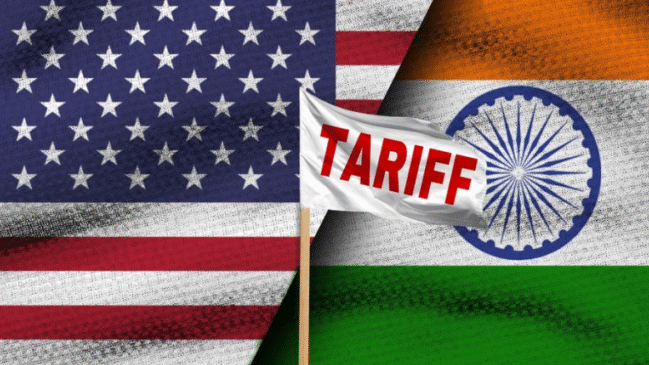
Over the past year, the United States has changed its tariff position on India again and again. First it was 25%. Then it became 50%. Now there is talk of a bill that could push tariffs as high as 100%.
Each time, the reason given has shifted too, sometimes it is about India’s own high tariffs, sometimes about India buying oil from Russia, and sometimes about trade deficits. This constant back-and-forth raises a simple but important question: is the US using fair trade policy, or is it using pressure tactics to force India to fall in line?
A Pattern That Looks Like Pressure, Not Policy
Good trade policy is usually steady. Businesses and governments need to know what to expect so they can plan ahead. But the US approach to India has not looked steady at all. Tariffs have moved up sharply within months, with little warning, and the reasons behind them have kept changing.
This pattern feels less like a careful economic policy and more like a pressure tactic , raise the threat, wait for a reaction, then decide whether to enforce it or hold back.
The fact that the President has the power to waive or delay these tariffs at will only adds to this impression. A tariff you can turn on and off depending on how a country behaves is not really a fixed policy. It works more like a threat held over someone’s head.
India’s Response
India has firmly pushed back against this approach, calling the tariffs “unfair, unjustified and unreasonable.” India has argued that its choices , including buying Russian oil , are based on its own national interest and energy security needs, especially for a country of 1.4 billion people. From India’s point of view, being punished for decisions that other countries have also made, without the same punishment, feels unequal and unfair.
Why This Hurts US Credibility
When a country changes its position too often, other nations start to wonder if its word can be trusted. If tariffs can jump from 25% to 50% to a possible 100% within a year, trading partners may hesitate to make long-term deals with the US, unsure of what will come next. This uncertainty carries a real cost , not just for India, but for how seriously the US is taken as a stable partner on the world stage.
Conclusion
To be fair, there is another way to see this. Some would argue that unpredictability is not a mistake but a strategy — keeping trading partners uncertain can be a way to gain more leverage in negotiations. Supporters of this approach might also point out that India itself has long kept high tariffs on American goods, so the pressure is simply an attempt to level the playing field. Whether one sees this as smart negotiation or as bullying often depends on which side of the deal one is standing on.
References
1.https://www.outlookindia.com/national/us-russia-sanctions-bill-explained-why-india-could-face-a-100-tariff-threat
2.https://youtu.be/-gmgW34wbQY?si=qqdVuI3FUPfCaI-3
3.https://www.tribuneindia.com/news/india/unfair-unjustified-unreasonable-india-on-trumps-25-additional-tariff