

By: Surjit Singh Flora

(Asian independent) On the Fourth of July, Americans celebrate a break from a king. In Trump’s America, the holiday also asks a harder question, how does a split republic see itself?
Independence Day is still tied to 1776, but it is also a live test of whether the country’s promises are more than ceremony and talk. That test feels sharper now, because national identity is argued over in public, every day.
The holiday began with a political claim. The Declaration said government gets its power from the consent of the governed. Every July 4, the country repeats that claim, even when its record falls short. That is why the day always carries politics, even when it feels domestic and familiar. It is not just a summer ritual. It is a reminder that power is supposed to answer to the people.
In 1776, the colonies broke from British rule and said ordinary people could reject a government that denied their rights. That idea still sits at the center of American democracy. Elections, protest, jury duty, and local meetings all grow from the belief that citizens are not subjects. The holiday is less about parchment than permission, the right of the people to shape power.
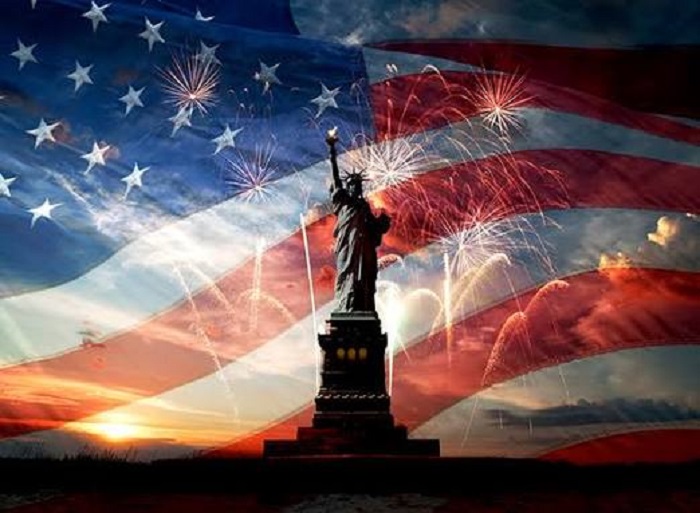
Fireworks, parades, cookouts, military flyovers, and family gatherings can look like pure leisure, but they also carry a civic script. They tell a common story about sacrifice, independence, and endurance. Even small-town ceremonies repeat the same lesson; the republic survives because each generation learns the symbols. Memory fades fast, so ritual matters.
Still, the Fourth of July has never felt simple for everyone. Enslaved people, Native nations, and women without political rights heard the language of liberty first, before they could share it. Later generations shut out by law heard it too. Because of that, the holiday holds pride and unease at the same time. Celebration and reflection sit side by side, since the founding words were bigger than the first practice.
Trump did not invent patriotism or culture-war politics, but he tied them together more tightly. Under his rise and return, July 4 often feels less like common ground and more like a fight over who gets to define the nation. Flag displays, military praise, and public ceremony took on a harder edge. Supporters often read them as proof of loyalty and confidence. Critics read the same symbols as partisan theater, especially once dissent was treated as disrespect. A civic language that once left room for disagreement grew less forgiving, and public ritual hardened into a test of loyalty. The holiday also became tied to fights over immigration and citizenship. Trump’s rhetoric placed borders near the center of American identity, so debates over asylum, birthright citizenship, and legal status started to sound like debates over belonging itself. For supporters, the day affirms order, sovereignty, and pride. For critics, the message can sound shut off and suspicious. Americanness then starts to look like ancestry and fear, not shared civic rules.
Tone matters in a republic because public conduct teaches citizens what power looks like. Trump’s rude style, personal attacks, and habit of humiliation changed the mood of politics, and for many Americans patriotic display began to feel less like shared duty than a stage built around one man’s grievances, applause lines, and demand for loyalty.
In June 2026, Senator Elissa Slotkin offered a different picture, speaking in Midwestern terms and calling for younger leadership rooted in daily life rather than endless symbolic combat. Her point was direct: a republic cannot live on performance alone. She did not ask for a return to old habits, because mistrust, weak wages, and political exhaustion are still there, and the answer she pushed was steadier government and a form of patriotism tied to problem-solving.
She also tied national strength to opportunity. In her view, America is strongest when people from different backgrounds can build stable lives. Work should bring dignity, and civic life should stay open to them. That fits an older American idea, belonging is not bloodline alone. It grows through contribution, law, and access to institutions that make effort count. For many families, that story begins with arrival, work, school, and an oath.
That is where Independence Day turns from pageantry back to principle. Freedom means less when one group hoards it and praises it in the abstract. It means more when jobs carry benefits, housing is reachable, public schools work, and institutions earn trust. Liberty is strongest when equal respect and shared duty travel with it. Otherwise, the flag covers frustration instead of common purpose.
Independence Day still honors 1776, the moment Americans said power begins with the people. In Trump’s America, the holiday also measures something present and unresolved. It asks whether freedom is widening or shrinking in practice. The answer no longer feels ceremonial.