THE ASIAN INDEPENDENT UK

Bal Ram Sampla
Geopolitics
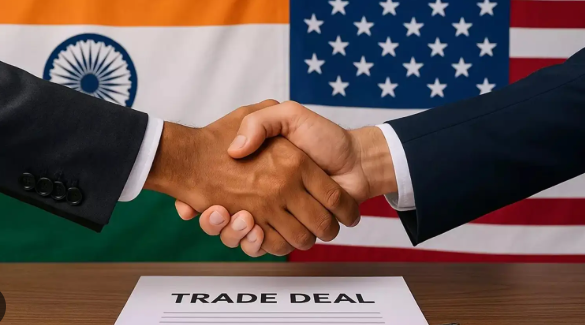
After months of rising tensions and threats of massive tariffs, the United States and India have finally reached a trade agreement that brings relief to both nations. The deal, announced on February 2, 2026, marks a dramatic shift from confrontation to cooperation between two of the world’s largest economies.
The Crisis That Led to the Deal
The trouble began when President Trump imposed steep tariffs on Indian goods as part of his broader trade policy. India responded with its own tariffs on American products. The situation escalated quickly, with raising tariffs on Indian goods to a crushing 50%. India faced the prospect of serious economic damage if the trade war continued. American businesses also suffered, losing access to India’s massive market of over a billion consumers. Both countries felt intense pressure to find a solution.
What the Deal Includes
The agreement is straightforward but significant. The United States immediately reduced its tariffs on Indian products from 50% down to 18%. This is still higher than normal trade relationships, but it represents a major relief for Indian exporters. Trump also removed an additional 25% penalty tariff that had been placed on India for buying Russian oil. In return, India made substantial commitments to the United States.
India agreed to cut its own tariffs on American goods all the way down to zero. This means American products can enter the Indian market without facing import taxes. India also promised to remove non-tariff barriers, which are regulations and rules that make it difficult for foreign companies to sell their products. Beyond just opening its market, India committed to purchasing over $500 billion worth of American goods. This massive shopping list includes energy products like oil and natural gas, technology and equipment, agricultural products, and various manufactured goods.
Perhaps the most controversial part of the deal involves Russian oil. India has been one of the largest buyers of Russian oil, purchasing roughly 1.5 million barrels daily. This trade relationship helped India get cheaper energy while helping Russia earn money despite Western sanctions. Under the new agreement with the United States, Trump announced that India will stop buying Russian oil and instead purchase from America and possibly Venezuela. However, Prime Minister Modi’s own statement about the deal notably did not mention this commitment, raising questions about whether India will actually follow through completely.
Why Both Sides Agreed
For the United States, the deal delivers several important benefits. American energy companies gain a huge new customer for their oil and gas. Farmers and technology companies get access to India’s enormous market without facing tariffs. The agreement also weakens Russia economically by potentially cutting off one of its major oil customers. Most importantly for Trump, the deal allows him to claim a major trade victory and show that his tough negotiating tactics can produce results.
India had compelling reasons to accept the deal as well. The 50% tariffs were causing real economic pain and threatened to get worse. By agreeing now, India avoided a full-blown trade war that could have damaged its economy for years. The country still gets to sell its products to America, just with an 18% tariff instead of a devastating 50% or higher. India also strengthens its relationship with the United States, which is increasingly important as both countries see China as a strategic rival. The promise to buy American goods, while expensive, can be spread out over many years and helps secure India’s energy needs from a reliable source.
The Pressure That Made It Happen
This deal happened because both sides were under tremendous pressure. Trump had staked his reputation on getting better trade deals and couldn’t afford to have the standoff drag on indefinitely. The threat of “the mother of all deals” with EU was forcing American businesses to complain about losing the Indian market. India faced even more urgent pressure, with its economy vulnerable to sustained high tariffs and its businesses desperate for relief. Neither country could back down without losing face, so the agreement had to give both sides something they could call a victory.
Questions That Remain
Despite the agreement, several important questions remain unanswered. Will India actually stop buying Russian oil, or will it find ways to continue these purchases indirectly? Can India really afford to buy $500 billion worth of American products, and over what timeframe? Will reducing tariffs to zero hurt Indian manufacturers who now face more American competition? And perhaps most importantly, will this deal actually last, or is it just a temporary pause in ongoing trade tensions?
What It Means Going Forward
This trade deal represents a significant reset in US-India relations. It shows that even in an era of trade wars and economic nationalism, practical agreements are still possible when the pressure becomes intense enough. Both countries avoided a worst-case scenario and found a way to declare victory. Whether the deal lives up to its promises, especially regarding Russian oil, remains to be seen. For now, businesses in both countries can breathe easier, knowing that the immediate crisis has passed and trade can continue, even if the relationship isn’t quite back to normal yet.
The agreement also sends a message to other countries facing American tariff threats: deals are possible, but they require major concessions. India gave up a lot to escape the trade war, from eliminating its own tariffs to making enormous purchase commitments. Other nations watching this situation will have to decide whether following India’s example makes sense for their own economies, or whether standing firm against American pressure might be worth the risk.
References
1.https://www.cnbc.com/2026/02/02/trump-india-trade-deal-tariffs.html
2.https://edition.cnn.com/2026/02/02/business/india-russian-oil-trump-tariffs
3. https://www.bloomberg.com/news/articles/2026-02-02/trump-to-cut-india-tariffs-as-modi-pledges-no-russian-oil-buys
4.https://www.newsweek.com/donald-trump-announces-us-india-trade-deal-russian-oil-11453964