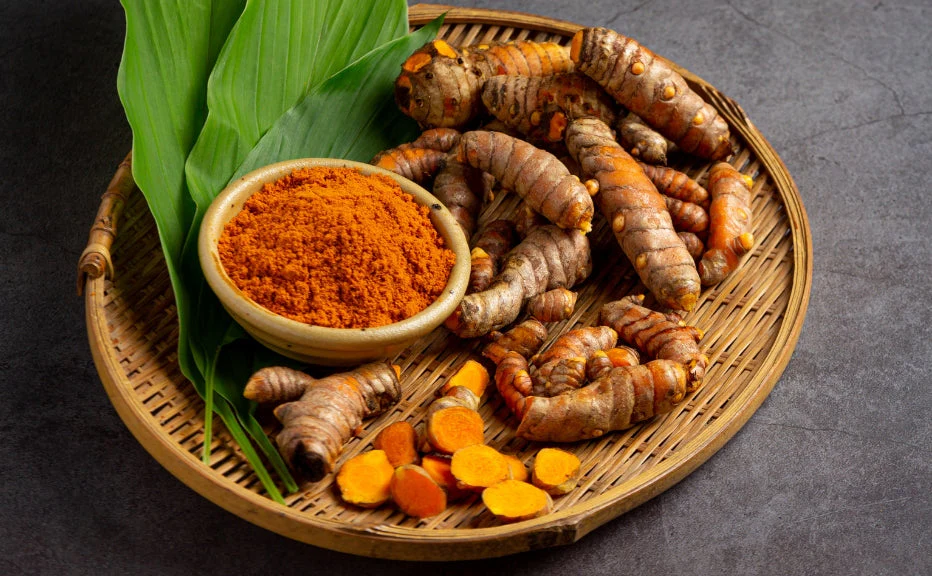

(Asian independent) Raw turmeric (Curcuma longa) is a common kitchen herb belonging to the Zingiberaceae family and it has been used for centuries in traditional systems of medicine such as Ayurveda, Siddha and Traditional Chinese Medicine. In recent decades, modern biomedical research has validated many of its traditional claims, identifying turmeric as a rich source of bioactive compounds with anti-inflammatory, antioxidant, antimicrobial and immunomodulatory properties.
Turmeric is a golden-yellow help widely cultivated in South Asia . While turmeric powder is commonly used as a culinary spice, raw turmeric retains a broader spectrum of volatile oils and heat-sensitive phytochemicals that may be partially lost during processing. From a medical and scientific standpoint, raw turmeric represents a functional food with pharmacological relevance, bridging the gap between nutrition and medicine.
CHEMICAL COMPOSITION AND BIOACTIVE CONSTITUENTS
Raw turmeric is a complex phytochemical reservoir. Its therapeutic properties arise from the synergistic action of several compounds:
CURCUMINOIDS (2–5%)
Curcumin (primary active compound)
These polyphenols exhibit strong anti-inflammatory, antioxidant, anticancer and neuroprotective properties.
VOLATILE OILS (3–7%)
These oils possess antimicrobial, anti-inflammatory, and neuroregenerative effects.
POLYSACCHARIDES
Enhance immune modulation and gut health.
MINERALS AND MICRONUTRIENTS
Iron, potassium, manganese
Vitamin B6, vitamin C (in small quantities)
DIETARY FIBER
Supports digestive health and metabolic regulation.
The raw form preserves essential oils and enzymes that may be reduced during drying and pulverization.
BIOLOGICAL AND PHARMACOLOGICAL IMPORTANCE
Raw turmeric exerts its effects at molecular and cellular levels:
ANTI-INFLAMMATORY ACTION:
Curcumin inhibits nuclear factor-kappa B and inflammatory cytokines.
ANTIOXIDANT ACTIVITY:
Neutralizes free radicals and enhances endogenous antioxidant enzymes like superoxide dismutase and catalase.
Antimicrobial effects: Effective against bacteria, viruses, fungi and parasites.
IMMUNOMODULATORY ROLE:
Balances immune responses by regulating T-cells, macrophages, and cytokine signaling.
EPIGENETIC INFLUENCE:
Modulates gene expression linked to chronic diseases and aging.
METHODS OF USING RAW TURMERIC
Raw turmeric can be incorporated into daily life through multiple evidence-supported methods:
RAW CONSUMPTION
Small slices (1–2 cm) consumed with black pepper to enhance curcumin bioavailability.
TURMERIC JUICE
Freshly grated raw turmeric blended with water or lemon juice.
MILK-BASED PREPARATIONS
Raw turmeric boiled in milk (traditional golden milk) for enhanced absorption via fats.
HERBAL DECOCTIONS
Combined with ginger, tulsi, or cinnamon for respiratory and immune benefits.
TOPICAL APPLICATION
Paste applied to wounds, acne, eczema, and inflammatory skin conditions.
FERMENTED FORMS
Emerging evidence suggests improved gut bioavailability through fermentation.
Health Conditions Potentially Benefited by Raw Turmeric
INFLAMMATORY AND AUTOIMMUNE DISORDERS
Osteoarthritis and rheumatoid arthritis
Inflammatory bowel disease
Ankylosing spondylitis
METABOLIC AND CARDIOVASCULAR HEALTH
Type 2 diabetes mellitus (improves insulin sensitivity).
Hypertension (via endothelial protection)
GASTROINTESTINAL DISORDERS
Peptic ulcer disease (mucosal protection).
Irritable bowel syndrome.
Hepatic disorders including non-alcoholic fatty liver disease.
INFECTIOUS DISEASES
Upper respiratory tract infections
Skin and soft tissue infections
Oral and periodontal diseases
NEUROLOGICAL AND MENTAL HEALTH
Neurodegenerative disorders (Alzheimer’s, Parkinson’s disease)
Depression and anxiety (via serotonergic and dopaminergic modulation)
ONCOLOGY (Adjunctive Role)
Inhibition of tumor proliferation, angiogenesis and metastasis
Enhancement of chemosensitivity and radioprotection (supportive evidence)
It is important to note that turmeric is supportive and preventive, not a standalone replacement for standard medical therapies.
ADVANTAGES OF USING RAW TURMERIC
Natural, cost-effective and widely available.
Multisystem benefits with low toxicity.
Synergistic action with other herbs and nutrients.
Supports preventive healthcare and lifestyle medicine.
Culturally acceptable and sustainable.
LIMITATIONS AND POTENTIAL ADVERSE EFFECTS
Despite its benefits, raw turmeric has certain limitations:
Low bioavailability of curcumin when consumed alone.
Gastrointestinal irritation in high doses.
Risk of gallbladder stimulation in individuals with gallstones.
Anticoagulant effect, potentially increasing bleeding risk in patients on blood thinners.
Iron absorption interference with excessive consumption.
Pregnant women, patients with bleeding disorders or those on chronic medication should seek medical advice before regular use.
FUTURE DIRECTIONS AND RESEARCH PERSPECTIVES
Ongoing research focuses on nano-curcumin, liposomal formulations, and bioenhancers such as piperine to overcome bioavailability challenges. Clinical trials are increasingly exploring turmeric’s role in chronic inflammatory diseases, cancer prevention, neuroprotection, and aging-related disorders. Integrative medicine models emphasize turmeric as a bridge between traditional wisdom and evidence-based healthcare.
Raw turmeric stands as a scientifically validated medicinal food with immense preventive and therapeutic potential. Its rich phytochemical composition, wide-ranging biological activities and cultural relevance make it a valuable component of integrative and lifestyle medicine. While not a panacea, when used judiciously and supported by modern scientific understanding, raw turmeric can contribute significantly to human health, disease prevention, and overall well-being. Continued research and responsible use will further define its role in contemporary medical practice.
Dr.Surinderpal Singh
FACULTY IN SCIENCE DEPARTMENT
SRI AMRITSAR SAHIB PUNJAB.