

THE ASIAN INDEPENDENT UK

Bal Ram Sampla
Geopolitics
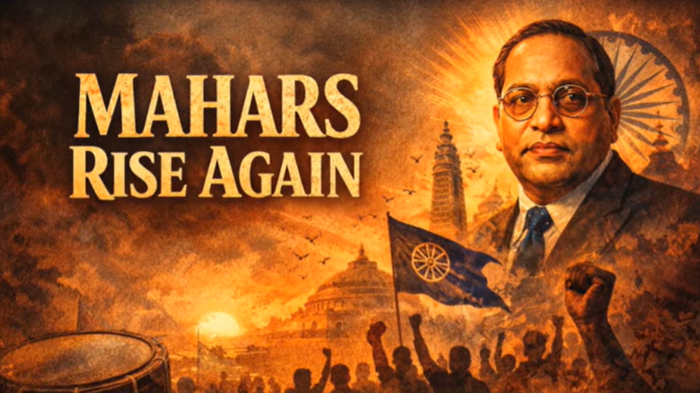
MAHARS RISE AGAIN | Battle Song | Bhima Koregaon 1818 | Mangesh Dahiwale

“Mahars Rise Again” is a reggae song written by Mangesh Dahiwale, a human rights activist and who works with the Ambedkar School of Governance. The song tells the story of a historic battle and what it means for people fighting against discrimination today. It combines history, philosophy, and music to create something powerful and memorable.
The Battle That Changed Everything
On January 1, 1818, something remarkable happened near the Bhima River in India. About 800 soldiers, including 500 Mahars, faced an army of 28,000 troops led by Peshwa Baji Rao II. This wasn’t just any battle—it was a turning point for the Mahar community.
The Mahars were treated terribly under the Peshwa’s rule. They belonged to a group called “untouchables” in India’s caste system. The rules they had to follow were cruel: they had to tie brooms to their waists to sweep away their footprints because even their footprints were considered “dirty.” They had to carry pots around their necks to spit into because their spit couldn’t touch the ground. They were told, every single day, that they were less than human.
Before the battle, some Mahar soldiers asked the Peshwa what would happen to them if they didn’t fight against him. He laughed at them and said nothing would change—they would still be servants, still be treated as the lowest of the low. So they decided to fight. And they didn’t just fight—they won. Even though they were hugely outnumbered, they held their ground. Out of 49 soldiers who died on their side, 22 were Mahars.
This battle might have been forgotten, but in 1927, Dr. B.R. Ambedkar visited the place where it happened. He turned it into a symbol of pride and resistance for Dalits (people from oppressed castes). Every year since then, on January 1st, thousands of people visit the memorial to remember the courage of those who stood up against oppression.
 How the Song Begins: Ambedkar’s Words
The song starts with words spoken by Dr. B.R. Ambedkar himself:
“Ours is not for wealth and power.
It is battle for freedom.
It is battle for reclamation of human personality.”
This is a smart way to begin. Dahiwale isn’t using his own words—he’s using the words of the great leader who fought against caste discrimination. Ambedkar understood that the fight wasn’t really about money or politics. It was about something deeper: proving that they were human beings who deserved dignity and respect.
The phrase “reclamation of human personality” means taking back what was already theirs. The caste system tried to convince Mahars they weren’t fully human. Ambedkar said they were reclaiming—taking back—their humanity. It was always theirs; it had just been stolen.
By starting with Ambedkar’s quote, the song connects the 1818 battle to the larger movement against caste discrimination. It shows that this fight didn’t end in 1818—it continues today.
Taking Us to the Battlefield
 After Ambedkar’s quote, the song takes us to the battle itself:
“Hear the drums by river Bhima,
In the dust of history,
Dignified voice still rise
In the light of new dawn…”
These lines are powerful because they make the battle feel real and present. “Hear the drums”—suddenly we’re there, at the Bhima River, listening to the sounds of battle.
“In the dust of history” means two things. First, there was actual dust on the battlefield. Second, history often tries to bury stories like this one—to cover them up and forget them. But the song says “dignified voice still rise”—notice it says “rise,” not “rose.” These voices aren’t just from the past. They’re still rising today, through activists, teachers, and songs like this one.
“In the light of new dawn” is about hope and new beginnings. It was literally dawn when the battle happened. But it was also the dawn of a new possibility—the moment when Mahars realized they could fight back. When Ambedkar visited the site in 1927, that was another dawn—a new way of understanding what the battle meant. And every time someone learns this story, it’s another dawn of awareness.
The Heart of the Story
Now the song gets to the main point:
“They stood firm and strong
500 with steady hand”
This is simple but powerful. They stood. They didn’t run away. They didn’t give up. Against 28,000 soldiers, they stood their ground.
“500 with steady hand” tells us the exact number of Mahar soldiers. This matters because it shows this really happened—these were real people. “Steady hand” means their hands didn’t shake with fear. They held their weapons firmly, with discipline and courage.
Think about what this meant: these were the same hands that the Peshwa said were too “dirty” to touch upper-caste people. Now those hands were holding weapons. Those hands were saving lives. Those hands were making history. And they were steady—not trembling, not uncertain. These men had found their strength and their worth.
What They Didn’t Have, and What They Did
This part of the song is especially moving:
“No crown on their head but truth with command,
Denied their name, denied their place
Yet courage showed every face”
The first line says they had no crown—no royal blood, no high position in society, no power. In the caste system, they were at the very bottom. But they had something more important: truth. They knew the truth about themselves—that they were human beings who deserved respect. And this truth gave them strength and direction, like a commander leading an army.
“Denied their name, denied their place”—this captures what discrimination does. They were denied their names, meaning their individual identities were erased. They were just seen as “untouchables,” not as people. They were denied their place in society—pushed to the edges, told they didn’t belong anywhere except in the lowest, most degrading jobs.
But then comes the word “yet”—one of the most powerful words in the song. “Yet courage showed every face.” Despite everything taken from them, despite all the ways they were put down, they showed courage. Not just one or two heroes—every single one of them. All 500 faces showed courage. After being denied their names, their faces became the place where their humanity shone through.
Connecting to Other Freedom Struggles
“Mahars Rise Again” reminds us of another famous song: “Something Inside So Strong” by Labi Siffre. Siffre wrote his song about the fight against apartheid in South Africa, especially the Soweto uprising where students protested against discrimination.
Both songs share the same message: no matter how much people try to put you down, there’s something inside that can’t be broken. Siffre sang, “The more you refuse to hear my voice, the louder I will sing” and “You can deny me… but there’s something inside so strong.” Dahiwale’s song says almost the same thing: “Denied their name, denied their place / Yet courage showed every face.”
Both songs talk about people who refused to stay quiet. Both talk about finding strength even when everything is taken away. Both use the word “yet” or “but”—that moment when you refuse to give up.
The choice to use reggae music is important. Reggae has always been about fighting against oppression. Bob Marley sang about freedom and standing up for your rights. Reggae came from the struggles of enslaved and colonized people. It became the music of resistance movements all over the world. The film, Bob Marley: One Love, captures this. By using reggae for this song about Indian history, Dahiwale is saying: the fight against caste discrimination is part of the same worldwide struggle for human dignity. The Mahars at Bhima Koregaon are connected to the students at Soweto, to civil rights movements in America, to anti-colonial struggles everywhere.
When students in Soweto revolted and Mahars fought, they were saying “we are human beings and we deserve better.” Both faced huge opposition. Both became symbols of resistance. Both are remembered every year as days of pride.
Why This Song Matters
 “Mahars Rise Again” does important work. History books often leave out or downplay stories of people from oppressed groups fighting back. By making this song, Dahiwale makes sure people don’t forget. Young people who might never read a history book about Bhima Koregaon might hear this song and want to learn more.
The song is part of the Ambedkar School of Governance’s work to teach people about their history and their rights. It’s not just entertainment—it’s education. It teaches what happened, why it matters, and how it connects to struggles for justice today.
The song is in English, which means people around the world can understand it and connect with it. But it never loses sight of the specific story it’s telling—500 real people by the Bhima River on January 1, 1818. It balances the particular details with universal themes that everyone can relate to: the desire for dignity, the courage to stand up to injustice, the refusal to be treated as less than human.
Conclusion: Still Rising
“Mahars Rise Again” works on many levels. It tells a true story from history. It honors the philosophy of Dr. Ambedkar. It connects to resistance movements around the world. And it speaks to anyone who has ever been told they don’t matter.
The title itself—“Mahars Rise Again”—is powerful because of the word “again.” They rose in 1818 when they fought at Bhima Koregaon. They rose again when Ambedkar visited the site in 1927. They rise every January 1st when people gather to remember. They rise through this song. And the “again” tells us they’ll keep rising—the work isn’t finished.
This is what good resistance music does. It keeps memories alive. It connects different struggles across time and distance. And it insists, through rhythm and words, that human dignity cannot be destroyed. Five hundred people stood with steady hands in 1818. This song makes sure their courage still echoes today, inspiring everyone who hears it to stand firm and strong for their own dignity and the dignity of others.
References
1. Mahars Rise Again
https://youtu.be/850jgJcxyBc?si=pT2bHKpbhaBYdFU7
2. So Strong
https://youtu.be/oCAgyoaf8iw?si=NLppOW5N0ggqdZo-
3. Bob Marley: One Love
YouTube.com
4.https://en.wikipedia.org/wiki/Battle_of_Koregaon
5.https://velivada.com/2018/01/04/500-can-teach-200-years-bhima-koregaon/
6.https://asiatimes.com/2018/01/battle-bhima-koregaon-symbolizes-war-caste-oppression/
7.https://en.themooknayak.com/dalit-news/dalit-history-month-special-maharashtras-proud-legacy-remembering-the-brave-mahar-soldiers-of-bhima-koregaon