

THE ASIAN INDEPENDENT UK

Bal Ram Sampla
Geopolitics
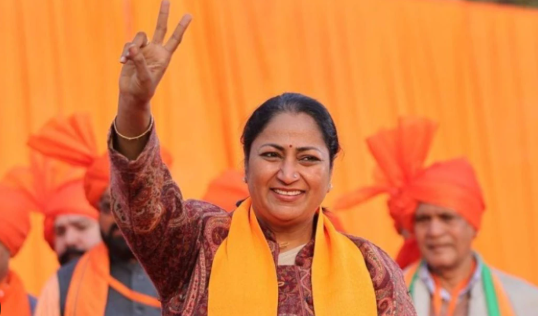
Delhi Chief Minister Rekha Gupta recently made controversial remarks at the All India Brahmin Conference, claiming that Brahmins “ignite the flame of knowledge in our society” and that “every government should work for the welfare of the Brahmin community.” These statements ignore the complex and often troubling historical role that Brahmins have played in Indian society.
The Problem with Praising One Caste
India’s constitution promises equality for all citizens regardless of caste. When a Chief Minister singles out one caste group for special praise and government support, it goes against these constitutional values. This is especially problematic when that caste has historically been the most privileged group in society.
Brahmins make up only about 5% of India’s population, yet they have held disproportionate power for centuries. Meanwhile, marginalized communities that face real discrimination today received no mention in Gupta’s speech. This raises a serious question: why should governments prioritize a community that has never faced systemic oppression?
The Historical Reality: Privilege, Not Persecution
Chief Minister Gupta painted Brahmins as guardians of knowledge and protectors of society. But history tells a more complicated story.
1. Monopolizing Knowledge to Maintain Power
For centuries, Brahmins controlled access to education and religious texts. They were the only ones allowed to read and teach Sanskrit scriptures. This wasn’t about spreading knowledge—it was about hoarding it. Lower-caste people were often forbidden from learning, and in some cases, they faced severe punishment for even hearing sacred texts.
By keeping knowledge to themselves, Brahmins ensured that other castes remained dependent on them for religious ceremonies, education, and understanding of law and tradition. This created a system where one small group held enormous power over everyone else.
2. Creating and Justifying Inequality
Many of the religious texts and laws that justified the caste system were written and interpreted by Brahmins. The Manusmriti, for example, placed Brahmins at the top of society and assigned degrading roles to lower castes. It prescribed harsh punishments for those who challenged caste boundaries.
These weren’t neutral historical documents—they were tools that legitimized discrimination and made inequality seem natural and divinely ordained. Brahmins benefited directly from these hierarchies.
3. Collaborating with Power
Throughout Indian history, Brahmins consistently aligned themselves with whoever held political power. They served as advisors and administrators to Hindu kings, Islamic rulers, and British colonizers alike. This wasn’t about protecting society, as Gupta suggests—it was about protecting their own privileged position.
During British rule, Brahmins were among the first to learn English and take administrative positions. They adapted quickly to maintain their advantages in the new system. Meanwhile, lower-caste communities were systematically excluded from these opportunities.
4. The Marriage Alliance Strategy
Historically, elite Brahmins often arranged marriages between their daughters and ruling families, regardless of the rulers’ caste or even religion. This wasn’t unusual—it was a strategic way to maintain influence and privilege. These alliances helped Brahmins stay close to power and protected their status across different regimes.
This contradicts the idea that Brahmins were simply preserving culture and knowledge. They were actively participating in political manoeuvring to secure their own interests.
5. The Legacy Today
The effects of this historical privilege are still visible. Brahmins are overrepresented in higher education, government positions, media, and other prestigious fields. Meanwhile, Dalits and other marginalized communities continue to face discrimination, violence, and limited opportunities.
When we look at who actually needs government support in India today, it’s clear: communities that face ongoing discrimination, economic hardship, and social exclusion should be the priority. These include Dalits, Adivasis, and other backward castes who have been systematically oppressed for generations.
6. What Leaders Should Say Instead
Rather than praising one privileged caste, our leaders should:
(1) Acknowledge the historical injustices of the caste system
(2) Support communities that face actual discrimination today
(3) Promote equality and oppose all forms of casteism
(4) Work toward a society where caste doesn’t determine anyone’s opportunities
Conclusion
History shows us that Brahmins were not simply noble keepers of knowledge. They actively created and maintained a system that benefited them at the expense of others. They adapted to different rulers and regimes to preserve their privilege. They used their control over education and religion to justify inequality.
Today, India is working to overcome the legacy of caste discrimination. We need leaders who support this effort, not ones who glorify the groups that created and benefited from that discrimination in the first place.
Chief Minister Gupta’s statement fails on all these counts. India deserves better from its leaders.
References
1.https://www.dnaindia.com/india/report-delhi-cm-rekha-gupta-makes-caste-remarks-stirs-controversy-says-brahmins-3183146
2.https://maktoobmedia.com/india/delhi-cm-rekha-gupta-says-brahmins-ignite-flame-of-knowledge-sparks-outrage/
3.https://www.tribuneindia.com/news/delhi/cms-brahmins-ignite-flame-of-knowledge-remark-hanuman-comment-draw-oppn-flak/
4.https://madhyamamonline.com/india/all-governments-must-work-for-brahmins-welfare-demands-delhi-cm-1454438