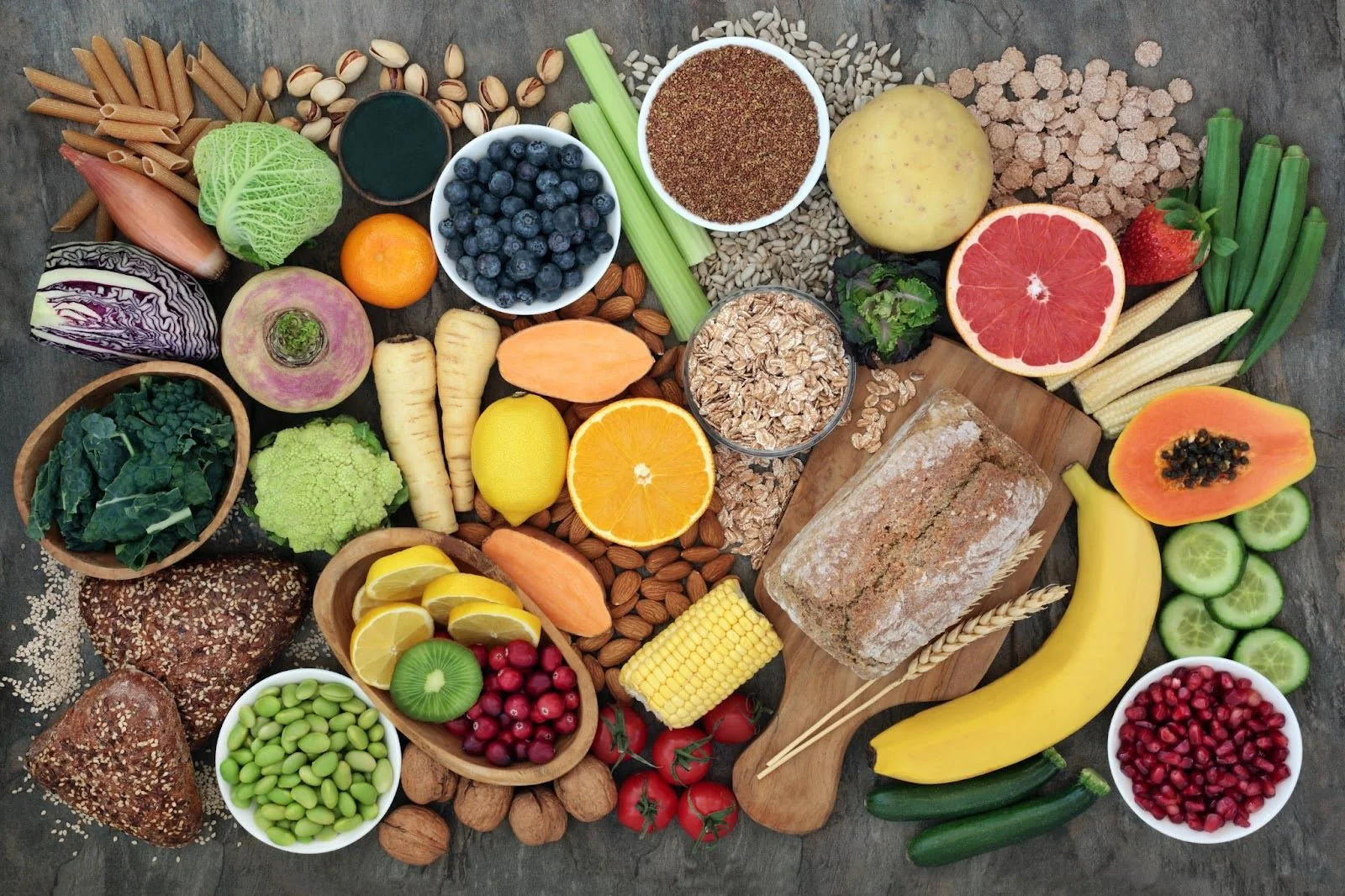

(Asian independent) In today’s age of science and technology, humanity has received a boon in the form of food. This boon provides happiness, security, joy and a good life. Food has always been an essential part of humanity, with a history that dates back to the early days of mankind. Due to the fast-paced lifestyle, humans have been affected by numerous diseases. The primary cause of human suffering is poor nutrition. It is essential to monitor diet for a long and healthy life. The principles of a healthy diet are outlined below:
CHOOSING QUALITY FOOD
Food can only be considered healthy when it is fresh, natural and unprocessed. People should focus on natural products to reduce the intake of toxic pesticides and harmful chemicals. To preserve nutrients, there should be an emphasis on consuming whole grains instead of processed foods. The storage and cooking time for healthy food should be minimal.
VARIETY
To obtain antioxidants, vitamins, minerals and phytonutrients, individuals need a variety of foods including vegetables, plants, grains, seafood and meats.
CALORIE CHART
A healthy diet should have a well-balanced proportion of essential nutrients. An individual’s caloric needs should be based on their age, gender, height, weight and activity levels.
SUGAR LEVELS
Excessive sugar consumption can lead to severe diseases like diabetes. To avoid obesity, heart diseases, mood swings, poor immune function and other health-related issues, one should monitor their intake of sugar and artificial sweeteners (such as aspartame and saccharin). Natural sweeteners like stevia can be used instead.
WATER
Water is crucial for regulating body temperature and transporting nutrients within the body. A balanced diet should include sufficient water as it also helps in eliminating waste from the body.
SALT
Salt or sodium chloride plays an important role in maintaining health. It helps maintain fluid balance in the body and supports muscle and nerve functions. The diet should be structured in such a way that salt intake is minimized while paying attention to potassium and sodium levels.
FIBER
Fiber is an essential nutrient that helps in monitoring cancer risk, blood sugar levels, bowel movements, and weight management.
CAFFEINE
Caffeine has become popular among people; however, excessive consumption can lead to calcium loss from bones, increased blood pressure, difficulties in conception for women, insomnia, anxiety and tremors.
ALCOHOL
Moderate consumption of alcohol may have some health benefits according to medical guidelines. However, excessive use can lead to liver failure, heart diseases, cancer, pancreatitis, anxiety, fear, restlessness and tremors.
SMALL MEALS
To improve metabolism and balance blood sugar levels, individuals need to consume small meals frequently throughout the day.
People should be aware of their caloric needs. Then steps should be taken to modify their diet according to the above choices. By adopting a healthy diet anyone can achieve better mood and increased vitality in their body.
SURINDERPAL SINGH
FACULTY IN SCIENCE DEPARTMENT
SRI AMRITSAR SAHIB PUNJAB.