THE ASIAN INDEPENDENT UK

Bal Ram Sampla
Geopolitics
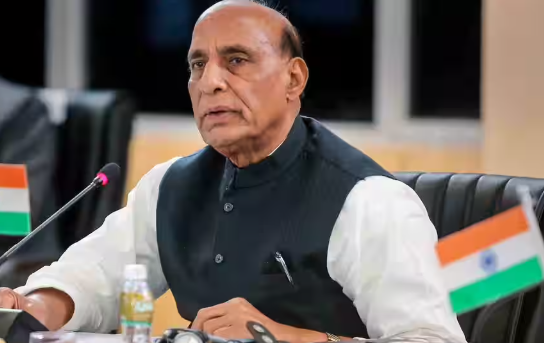
India’s Defence Minister Rajnath Singh recently said that “borders may change” and that “Sindh may return to India.” These comments caused a lot of reaction because India and Pakistan already have tense relations. At a time like this, strong and aggressive statements can make things worse.
India and Pakistan have a long history of conflict and mistrust. Both have large armies and nuclear weapons. When a top Indian leader talks about changing borders, Pakistan may take it seriously, even if it was only meant as a symbolic or emotional statement.
Even if Singh only meant to speak about culture or history, his position as Defence Minister makes every remark sound like a potential policy signal. This can easily send the wrong message.
Why Taking Sindh Would Be a Security Problem for India
Some people may imagine that bringing back Sindh would be a “cultural reunion” or a way to correct the mistakes of Partition. But in reality, absorbing any part of Pakistan would create huge problems for India.
For decades, Pakistan’s education system, media, and politics have taught strong anti-India views. Many people have grown up believing India is their enemy.
If India suddenly took control of Sindh, it would inherit millions of people who do not trust India and may even be hostile. This would be extremely difficult to manage.
2. Extremist and militant networks
Sindh, like other parts of Pakistan, has:
b. Extremist preachers
c. Militant networks
If India tried to govern this region, these groups would not disappear. Instead, they would become an internal problem, making India less safe.
3. Huge cost and administrative burden
India would need to:
a. Police a hostile region
b. Build new governance systems
c. Control unrest
d. Bring economic development
e. Deal with large-scale poverty
This would require enormous money, manpower, and time. It would drain resources that India needs for development, technology, and defence against bigger threats like China.
Bringing in a large, mistrustful population shaped by decades of anti-India thinking could create new social and communal tensions. This could lead to unrest and divisions within India.
Why Sabre-Rattling Does Not Help
Aggressive or provocative statements may look strong, but they can harm India’s long-term interests. India benefits more from stability, good diplomacy, and strong economic growth—not from raising fears about changing borders.
India does not need more land.
India needs peace, stability, and secure borders.
Conclusion
Rajnath Singh’s remarks about Sindh were unwise at a time when the region is already tense. Talking about changing borders only increases fear and misunderstanding. And even if such an idea were ever taken seriously, incorporating Sindh would create major security, social, and economic problems for India.
In reality, India is far better off focusing on stability and development, removing population from poverty, rather than imagining territorial expansion
References
1.https://www.indiatoday.in/amp/india/story/defence-minister-rajnath-singh-says-borders-can-change-and-sindh-may-return-to-india-again-2824774-2025-11-23?utm_source=chatgpt.com
2.Borders can change, Sindh may return to India: Rajnath Singh’s big remark https://www.indiatoday.in/india/story/defence-minister-rajnath-singh-says-borders-can-change-and-sindh-may-return-to-india-again-2824774-2025-11-23?utm_source=washare&utm_medium=socialicons&utm_campaign=shareurltracking