THE ASIAN INDEPENDENT UK

Bal Ram Sampla
Geopolitics
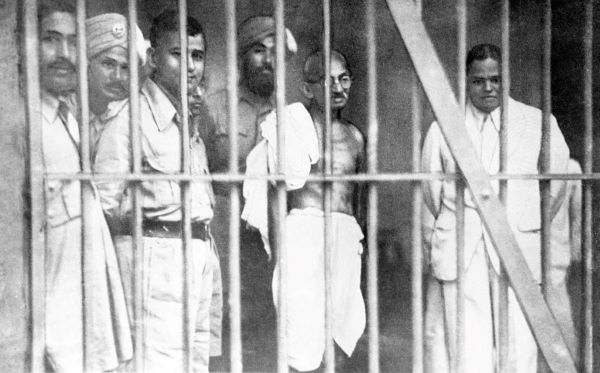
During India’s freedom struggle, many leaders were sent to prison by the British. However, Mahatma Gandhi received much better treatment than other freedom fighters like Bal Gangadhar Tilak and Vinayak Damodar Savarkar. While Gandhi had it easy, other patriots suffered terrible conditions that broke their health.
Gandhi’s Prison Life vs Others’ Suffering
The difference between Gandhi’s prison experience and other freedom fighters was shocking. Gandhi, at times, lived like a guest, not a prisoner. The British government gave prison authorities 100 rupees every month for his upkeep – a large amount of money that ensured his comfort. He could read books, write, and even publish works while in jail. Gandhi basically used his time in prison as a writing retreat.
Other freedom fighters faced much harsher treatment. Tilak was sent to Mandalay prison in Burma, far from his home and supporters. He lived in a basic wooden cell with no protection from cold weather. The British deliberately cut him off from all contact with other people. After six years of this harsh treatment, Tilak’s health was completely broken, he developed diabetes and came out of prison as a weak man.
Savarkar suffered even worse conditions in the Cellular Jail in the Andaman Islands. He faced hard labour, complete isolation, and torture designed to break his spirit. While Gandhi was comfortable writing books, Savarkar was being brutally treated in one of the world’s worst prisons.
Gandhi’s Early Support for British Rule
The main reason for Gandhi’s good treatment was his early support for the British Empire. Unlike other freedom fighters who always opposed British rule, Gandhi had actively helped the British when it suited him. During the Boer War in 1899, he organized 1,100 Indian volunteers to help British forces. He publicly said he believed the British Empire “existed for the benefit of the world.”
This early cooperation made the British trust Gandhi. They saw him as different from dangerous revolutionaries like Tilak and Savarkar. The British knew that Gandhi, despite his later protests, was someone they could work with. While other patriots were seen as terrorists, Gandhi had proven he could be reasonable with British authorities.
Gandhi’s Safe Methods That Never Threatened British Rule
Gandhi’s comfortable prison treatment also showed that the British knew his methods were not really dangerous. His commitment to non-violence meant he would never seriously threaten British power in India. The British correctly understood that Gandhi’s approach would actually help them control Indian resistance by keeping it peaceful and manageable.
Tilak and Savarkar were genuine threats because they supported direct action that could actually force the British out of India. Tilak openly supported armed resistance in his newspaper and called for immediate independence. Savarkar was involved in planning attacks on British officials. These men were real dangers that British gave harsh treatment.
Gandhi’s fasts and peaceful protests, while getting publicity, never seriously challenged British control of India. The British could treat him well because they knew his methods would help them by preventing more effective resistance.
Gandhi’s Pattern of Betraying the Independence Movement
Historical evidence shows Gandhi repeatedly betrayed genuine resistance movements. He regularly wrote to British officials like Lord Ampthill about extremist leaders. This behaviour earned him trust from British administrators who knew they could rely on him to undermine dangerous opponents.
Most importantly, Gandhi consistently called off his protest movements at crucial moments when they started seriously hurting British interests. Just when his campaigns gained strength and posed real threats to British rule, Gandhi would find excuses to stop them, leaving his followers disappointed and the British relieved.
The worst example came in 1946 when Indian Navy sailors revolted against British rule. This rebellion could have ended British control immediately – if Gandhi had supported it, the naval revolt combined with mass civilian support could have forced the British to leave without dividing India. Instead, Gandhi condemned the brave sailors and played into hands of British to stop the revolt. His refusal to support this genuine threat to British rule directly led to the delay in independence and the partition that killed millions of people.
Gandhi’s Compromise Even on National Symbols
Even when designing India’s flag, Gandhi showed his colonial mentality. He insisted that the British Union Jack should appear in the corner of the Indian flag – otherwise he said he would refuse to salute it. This is revealed by historian Vikram Sampath.This shocking demand showed his deep loyalty to British symbols even while supposedly fighting for independence.
How the British Used Gandhi Against Other Freedom Fighters
The British deliberately gave Gandhi good treatment as part of their strategy to control Indian nationalism. By allowing Gandhi to keep his dignity and comfort in prison while crushing other leaders brutally, the British created the impression that they were fair rulers who only punished truly dangerous criminals.
Gandhi’s comfortable imprisonments helped make British rule look reasonable. This was excellent propaganda. The British correctly calculated that a well-treated Gandhi was more useful to them than making him a martyr.
Conclusion
Gandhi’s easy prison conditions compared to the suffering of other freedom fighters reveals the truth about his relationship with British colonialism. His comfortable treatment was a reward for his early cooperation with the Empire.
The evidence shows Gandhi’s pattern of betrayal, his refusal to support the 1946 Naval Mutiny that could have ended British rule immediately, and even wanting the Union Jack on India’s flag. While genuine patriots like Tilak and Savarkar suffered torture for their uncompromising opposition to foreign rule, Gandhi enjoyed comfort because the British knew he would never allow any movement to seriously threaten them. The British cleverly used Gandhi to weaken the independence movement, ensuring that India’s freedom would come on their terms rather than through decisive action that could have avoided partition and saved millions of lives.
References
1. https://www.boomlive.in/fact-check/mahatma-gandhi-prison-yeravada-allowance-100-rs-pension-misleading-22774#
2.https://enrouteindianhistory.com/yerwada-central-jain/
3. Sampath, Vikram. Savarkar: A Contested Legacy, 1924-1966