

THE ASIAN INDEPENDENT UK

Bal Ram Sampla
Geopolitics
The Indian Constitution made grand promises to Dalits. It abolished untouchability. It guaranteed equality. It provided reservations in education and jobs. It said no one could discriminate based on caste. On paper, it gave Dalits everything they had been denied for thousands of years.
But the reality on the ground tells a different story. Dalits still face horrific violence. They are raped, murdered, and publicly humiliated for asserting their dignity. They are denied entry to temples. They cannot drink from the same wells as upper castes. They are forced into the worst jobs – cleaning sewers and removing dead animals. When they file police cases, officers often refuse to register them. When cases do go to court, justice takes years and conviction rates are shamefully low.
The Constitution promised liberation. What Dalits got instead was continued oppression with a legal document in hand.
Why the Emotional Attachment?
Given this failure, why do Dalits and Ambedkarites remain so devoted to the Constitution? Why do they celebrate it, defend it, and become emotional about it?
1. It Was Made By One of Their Own
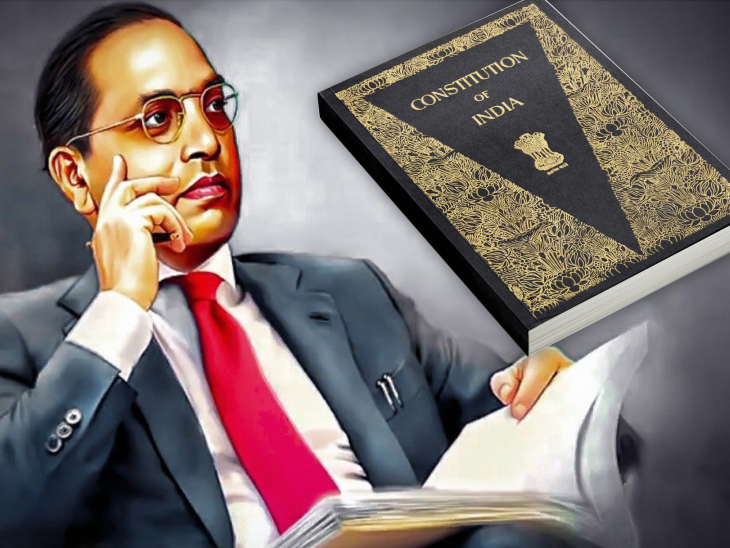
Dr. B.R. Ambedkar, a Dalit who faced caste humiliation throughout his life, drafted the Indian Constitution. For a community that was treated as untouchable, having one of their own create the nation’s founding document was revolutionary. It said: we belong to this nation. We are not outsiders. We are builders of India.
2. It Gave Them Legal Standing
Before the Constitution, Dalits had no legal rights. The caste system was the law. The Constitution changed this. Even if poorly enforced, it gave Dalits something to point to. They could say: “This is illegal. The Constitution says so.” Without it, they would have no basis to demand anything at all.
3. A Symbol Against the Caste Order
For millennia, Hindu religious texts and traditions justified caste oppression. The Constitution directly challenges this. It says caste discrimination is wrong. It says Dalits are equal citizens. Even if this equality doesn’t exist in practice, having it written down matters. It delegitimizes the old order.
4. A Tool for Political Struggle
Ambedkarites don’t see the Constitution as a perfect reality. They see it as a weapon for ongoing battle. When they protest, they carry copies of the Constitution. When they demand rights, they quote constitutional articles. It gives them a language and a legal foundation for their resistance.
5. The Alternative Was Worse
Ambedkar himself debated whether to work within the system or reject it entirely. He chose the constitutional path over armed revolution. Many Dalits continue this choice. They believe that without constitutional protections – however weak – they would be completely defenceless. At least now they have legal provisions to fight with.
6. Hope for What Could Be
The Constitution represents an ideal – a vision of India where caste doesn’t determine your fate. Dalits remain attached to it not because it has delivered justice, but because it promises justice. It is a reminder that things should be different, even when they are not.
7. The Painful Contradiction
There is deep pain in this attachment. Dalits know the Constitution has failed them. They see their constitutional rights violated every single day. But they also know that giving up on it means giving up on legal equality altogether.
The problem, as many Dalits see it, is not the Constitution itself. The problem is that it is implemented by a casteist system – by upper-caste police officers, judges, bureaucrats, and politicians who never truly accepted Dalit equality. The law is fine; the law enforcers are the problem.
8. What This Means
When Dalits display emotion about the Constitution, they are not naive. They are not ignoring reality. They are holding onto a promise that has not been kept, demanding that it be fulfilled. Their attachment is not about what the Constitution has delivered, but about what it represents – dignity, equality, and citizenship.
It is the attachment of people who have been given a promissory note for justice, and even though the payment has not come, they refuse to let anyone tear up the note. Because without it, they have nothing.
What the Constitution Promises
(I) Abolition of untouchability (Article 17)
(II) Prohibition of discrimination (Article 15)
(III) Equality before law (Article 14)
(IV) Reservations in education and employment (Articles 15, 16, 46)
(V) Special protections through laws like the SC/ST Prevention of Atrocities Act
The Ground Reality
Violence and atrocities – Dalits continue to face horrific violence. Cases of rape, murder, public humiliation, and lynching occur regularly. According to crime statistics, conviction rates in atrocity cases remain dismally low – often under 30%.
Economic exclusion – Most Dalits remain in the poorest economic strata. Land ownership is minimal, and they’re disproportionately in manual labour and sanitation work.
Social discrimination – Untouchability persists in practice – separate seating in villages, denied entry to temples, excluded from community wells, discrimination in housing and businesses.
Educational barriers – Despite reservations, Dalits face discrimination in educational institutions. Dropout rates are high, and cases like Rohith Vemula’s suicide highlight ongoing institutional casteism.
Judicial delays – When cases are filed, the justice system is notoriously slow. Cases drag on for years, witnesses are intimidated, and powerful accused often receive bail easily.
Police apathy or complicity – Police often refuse to register cases, dilute charges, or are themselves complicit in caste violence.
Why Justice Remains Elusive
The constitution is implemented by a casteist state machinery – police, judges, bureaucrats who often share upper-caste biases. The law enforcers themselves may be perpetrators or sympathizers.
(I) Power imbalances mean Dalits often lack resources for prolonged legal battles, while upper-caste accused have money, connections, and social capital.
(II) Reservations have created a small but significant Dalit middle class
(III) Legal provisions do provide some recourse where none existed before
(IV) Urban areas and certain states show better (though still inadequate) implementation
The Constitution is failing Dalits. But for many, it remains the best weapon they have in a battle that is far from over.