THE ASIAN INDEPENDENT UK

Bal Ram Sampla
Geopolitics
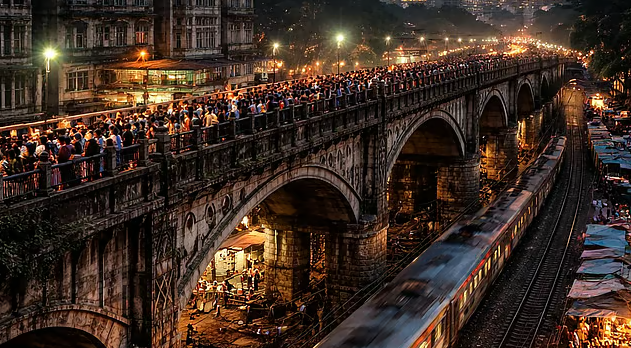
Mumbai is tearing down the old Elphinstone bridge to make way for a modern motorway. For most Mumbaikars, this is a simple story about traffic, safety, and progress. For some British newspapers, however, it is something far more charged — evidence of India “erasing its colonial legacy.” The question worth asking is: whose feelings are really at stake here?
Britain built enormous amounts of infrastructure across India during two centuries of colonial rule. Roads, railways, bridges, and institutions all bear the fingerprints of empire. There is a section of British society that views this with quiet pride, as a kind of civilisational gift. When a structure like Elphinstone bridge — named after a prominent British Governor of Bombay — comes down, it can feel to them like an ungrateful rejection of that legacy.
But there is something revealing about this reaction. Britain is currently locked in its own bitter argument about statues, street names, and how honestly to teach imperial history. Every story about India dismantling a colonial relic gets pulled into that domestic quarrel, used as ammunition by those who feel history is under attack.
India, meanwhile, has been renaming streets, cities, and landmarks for decades with little drama. Mumbai was Bombay. Chennai was Madras. These were not acts of rage — they were acts of ownership. A country deciding what it wants to call its own places and how it wants to organise its own cities is simply a country behaving normally.
The bridge is old and a motorway will serve the city far better. That is the whole story. The British framing tells us less about India’s intentions and far more about Britain’s unresolved relationship with its own imperial past.
References
1.https://www.telegraph.co.uk/world-news/2026/04/06/india-demolishes-british-built-bridge-colonial-purge/#:~:text=The%20Elphinstone%20Road%20Overbridge%2C%20which%20was%20built,India%20continued%20to%20purge%20its%20colonial%20legacy.