
By: Surjit Singh Flora

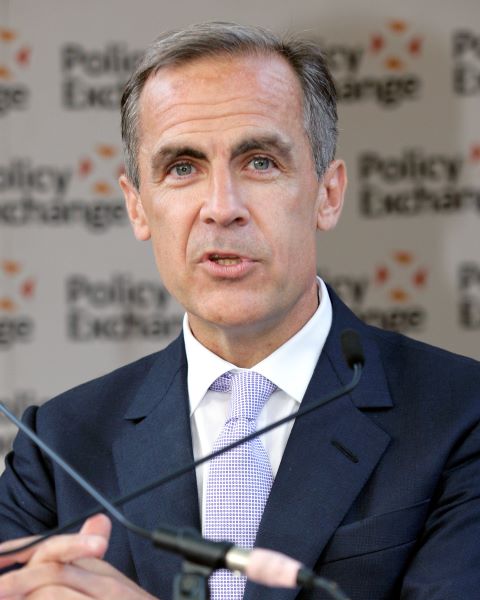
(Asian independent) A minority government can feel like driving with the parking brake half on. Prime Minister Mark Carney won 169 seats in the April 2025 federal election, three short of a majority. That gap matters because it decides how easily a government can pass budgets and major bills.
As of March 11, 2026, the Liberals sit at 170 seats after a high-profile floor-crossing. Three by-elections on April 13 could raise that to 172.
In the past Trudeau’s deal with the NDP let him lead the longest-serving, and often seen as the most effective, minority government in Canadian history. At the same time, it drew heavy political fire, with opponents stoking fears about a “coalition government” and “socialism.” Carney sits close enough to a majority that he can seek support one bill at a time.
Campaigns also cost a lot. Because of that, neither the NDP nor the Bloc has much reason to force an election soon, and the Conservatives can’t topple the government on their own. As a result, Carney can keep governing without a formal pact, although he still needs to watch where the Bloc and NDP stand.
Minority math, floor-crossings, and the April 13 by-elections
In the House of Commons, 172 seats is the majority line. Carney’s Liberals started at 169 after April 2025. They now sit at 170 after NDP MP Lori Idlout announced she’s crossing the floor to join the Liberals, putting Carney within “striking distance,” but still few shorts from the majority.
A floor-crossing is simple: an MP changes parties while keeping their seat.
Next comes April 13, 2026, with three by-elections in Scarborough Southwest, University-Rosedale, and Terrebonne. If the Liberals win two of the three, they hit 172 and can govern as a majority, at least on paper.
Minorities can survive, but they’re always counting votes. Confidence votes (like budgets) become pressure points. Every big bill needs partners, and that can slow timelines, change policy details, and raise the odds of an early election.
The political risk:
Interim NDP leader Don Davies urged Idlout to “put the decision to voters.” Some Canadians see switching parties as personal judgment. Others see it as breaking the promise voters backed, especially when it could tip control of Parliament.
Also, majorities often last a full term, so snap elections become less common. That lowers uncertainty for public servants and outside partners. At the same time, the legislature can still debate and amend bills, so stability does not erase disagreement. It simply reduces constant threats of collapse.
What Carney moved fast on: taxes, carbon pricing, and housing relief
Carney didn’t wait for perfect conditions. He ended the federal consumer carbon tax on April 1, 2025, while keeping the industrial levy aimed at large emitters, and he allowed the final rebate payment to go out. For many households, that meant lower direct charges tied to fuel and home heating.
Next, Ottawa cut the bottom personal income tax rate from 15% to 14% starred from July 1, 2025. The biggest benefit lands with low and middle earners, because that first bracket touches almost everyone’s paycheck.
Housing got a targeted break too: a temporary GST removal for first-time homebuyers on homes under $1 million. In expensive markets, it won’t solve supply, but it can shrink the upfront sting.
The trade-off is clear: less federal revenue, but more breathing room for household budgets.
How “shift costs to large polluters” could work in practice
The idea is to keep pressure on big emitters through the industrial system, while households see lower direct charges. The hard test is price pass-through. If industrial costs show up in groceries, power bills, or shipping, the relief can fade fast.
Budget 2025 and the majority agenda: speed, scale, and hard choices
Budget 2025 ties Carney’s pitch to a $140 billion, five-year plan focused on productivity and trade infrastructure. It also aims to cut about 40,000 civil service positions and balance the operational budget by 2029. A majority could help move from plans to law faster, with fewer late-night concessions.
If Carney gets to 172, a majority could pass these pieces sooner:
- Faster rules for energy and critical infrastructure projects, which can speed jobs and shorten wait times for approvals.
- A sharper response to Canada-US trade strain and tariffs, which affects prices and export paychecks.
- Higher defense spending and stronger Arctic sovereignty, which ties to security and northern supply lines.
- “Buy Canadian” procurement rules, which can tilt contracts toward domestic firms.
- Long-term Inuit funding and an Inuit-led university, which can build capacity close to home.
Speed can lower costs, but it can also raise the stakes of getting decisions right.
What changes if Carney can pass bills without opposition support
With a majority, the Liberals would rely less on bargaining with other parties. That reduces uncertainty for investors, provinces, and public servants planning around new rules. At the same time, fewer deal-breakers means fewer built-in checks. The public spotlight, committees, and Senate review still matter, but the House becomes less of a brake.
In the end, Carney has already pushed big tax changes and a sweeping Budget 2025 plan while leading a minority. That’s the headline: the government has moved fast, even without full control of the House. On April 13, the by-elections could flip the pace overnight. Watch the results, then watch the first “majority-style” bills, and whether affordability and trade promises show up in real life.