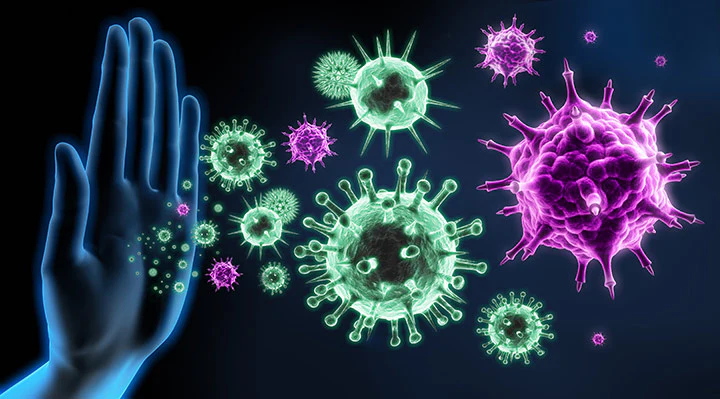

(Asian independent) Immunity is the body’s intrinsic ability to recognize, resist and eliminate harmful agents such as pathogens, toxins and abnormal cells. It represents a highly coordinated biological defense system shaped by genetics, development, lifestyle and environmental exposures. In an era marked by emerging infections, chronic diseases and increasing cancer incidence, understanding immunity—its features, maintenance, and decline—has become both a medical and societal priority.
THE CONCEPT AND TYPES OF IMMUNITY
Immunity is broadly classified into innate immunity and adaptive immunity.
Innate immunity is the first line of defense and is present from birth. It includes physical barriers (skin and mucous membranes), chemical defenses (stomach acid, enzymes) and cellular components such as macrophages, neutrophils and natural killer (NK) cells. This response is rapid but non-specific.
Adaptive immunity, in contrast, develops over time and is highly specific. It involves lymphocytes—B cells and T cells—that recognize particular antigens. Adaptive immunity has memory, allowing the body to mount faster and stronger responses upon repeated exposure to the same pathogen. This property forms the basis of long-term protection against infections.
Together, these two systems work synergistically to maintain health and internal stability.
SALIENT FEATURES OF A HEALTHY IMMUNE SYSTEM
A robust immune system demonstrates several defining characteristics:
Specificity – the ability to distinguish between different pathogens and target them precisely.
Memory – the capacity to remember previous encounters and respond more efficiently.
Self-tolerance – the ability to recognize self-cells and avoid attacking them, preventing autoimmune disease.
Regulation – immune responses must be strong enough to eliminate threats but controlled enough to prevent excessive inflammation or tissue damage.
Surveillance – continuous monitoring of the body to identify infected or abnormal (including cancerous) cells.
Loss of balance in any of these features can predispose an individual to infection, chronic inflammation, or malignancy.
ENHANCING IMMUNITY WITHOUT EXTERNAL AIDS
Immunity can be strengthened naturally through physiological and behavioral factors, without reliance on medications or supplements.
Adequate nutrition plays a foundational role. Proteins support antibody production, while micronutrients such as zinc, iron, selenium and vitamins A, C, D and E are essential for immune cell function. A diet rich in whole grains, fruits, vegetables, legumes and healthy fats supports immune resilience.
Sleep is a critical but often underestimated regulator of immunity. During sleep cytokines and immune mediators are released, supporting immune memory and repair. Chronic sleep deprivation has been shown to impair both innate and adaptive immune responses.
Physical activity, when moderate and regular, enhances circulation of immune cells and reduces systemic inflammation. Conversely, excessive physical stress without adequate recovery may suppress immune function.
Psychological well-being also influences immunity. Chronic stress elevates cortisol levels, which suppress immune cell activity and reduce inflammatory control. Mindfulness, social connection and emotional stability therefore have measurable biological effects.
Gut health is increasingly recognized as central to immunity. The intestinal microbiota interacts with immune cells, influencing inflammation, pathogen defense and immune tolerance. Diet diversity and fiber intake support a healthy microbiome.
CAUSES OF DECLINING IMMUNITY
Immune function can decline due to a combination of biological, environmental and lifestyle factors.
Aging naturally leads to immunosenescence a gradual reduction in immune responsiveness and memory. This explains increased susceptibility to infections and cancer in older adults.
Poor nutrition, particularly deficiencies in protein and micronutrients, directly weakens immune cell production and signaling.
Chronic stress, inadequate sleep, physical inactivity and exposure to environmental pollutants all contribute to immune dysregulation.
Chronic diseases such as diabetes, kidney disease and autoimmune disorders may impair immunity either directly or through prolonged inflammation.
Additionally, recurrent infections and long-term inflammatory states can exhaust immune resources, reducing effectiveness over time.
IMMUNITY AND CANCER:
Is There a Connection?
Cancer and immunity are closely interlinked. The immune system plays a critical role in tumor surveillance, identifying and eliminating cells that have undergone malignant transformation.
When immunity is compromised, abnormal cells may evade detection and proliferate unchecked. This is particularly evident in individuals with immuno deficiency states, who show higher rates of certain cancers.
However, cancer is not solely the result of poor immunity. Genetic mutations, environmental carcinogens, chronic inflammation and aging all contribute. In some cancers, tumor cells actively suppress immune responses by altering their surface markers or releasing immunosuppressive substances.
Modern cancer therapies increasingly focus on immunotherapy, which enhances the immune system’s ability to recognize and destroy cancer cells—further emphasizing the immune system’s central role in cancer control.
Immunity is a dynamic, multifaceted biological system essential for survival and long-term health. Its strength depends not only on genetics but also on nutrition, sleep, physical activity, mental well-being and environmental exposures. Declining immunity increases vulnerability to infections and contributes to chronic diseases, including cancer.
Understanding immunity as a system that must be nurtured rather than merely activated during illness represents a shift from reactive medicine to preventive health. Strengthening natural immune defenses remains one of the most powerful, accessible and scientifically validated strategies for promoting resilience across the lifespan.
SURINDERPAL SINGH
FACULTY IN SCIENCE DEPARTMENT
SRI AMRITSAR SAHIB PUNJAB.