Two-Tier Justice: The Problem of Unequal Protection for Women in the UK
Trump’s UN Speech Highlights a Real Issue
THE ASIAN INDEPENDENT UK

Bal Ram Sampla
Geopolitics
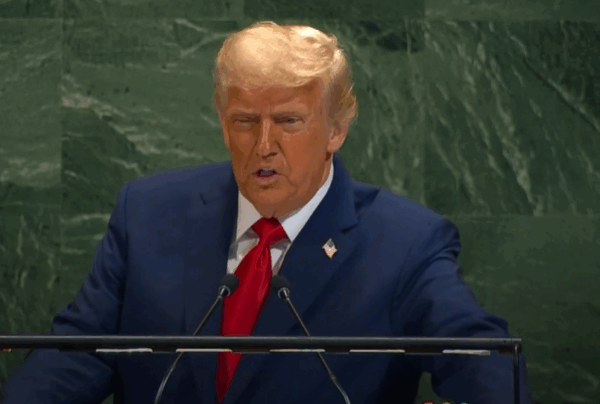
In his recent speech to the United Nations, President Trump criticized European immigration policies and made claims about London operating under Sharia law. While his statements about London’s mayor may seem exaggerated, they touched on a real problem that affects some women in Britain today.
The Hidden Two-Tier System
Britain operates under one legal system – English common law – that promises equal treatment for all. But in practice, some women face a different reality. While most British women can access family courts with full legal protections, some Muslim women are pushed toward Islamic arbitration councils that may not provide the same level of protection.
This creates two different experiences of justice:
(1)Most women get equal treatment in divorce, fair property division, and strong protection from abuse
(2)Some women face pressure to accept religious arbitration that may offer less protection and fewer rights
When “Choice” Isn’t Really Choice
These Islamic councils are supposed to be voluntary. Women are meant to choose freely whether to use them. But this choice often isn’t real:
(1)Families pressure women to use religious arbitration instead of British courts
(2)Women may be told they’re being un-Islamic if they refuse
(3)They risk being cut off from their community and family support
(4)Many don’t know what legal rights they’re giving up
(5)Language barriers can make British courts seem impossible to navigate
When your housing, money, and family relationships depend on accepting religious arbitration, calling it “voluntary” becomes meaningless.
The Real Cost to Women
The difference in treatment can be severe:
In British family courts:
(I)Women get equal treatment regardless of gender
(II)Fair division of property and assets
(III)Maintenance payments to support them after divorce
(IV)Strong protection orders against domestic abuse
(V) Equal say in child custody decisions
2. In some Islamic arbitration, possibly means:
(I)Male testimony may be given more weight
(II)Property division may favor men
(III)Less financial support after divorce
(IV)Pressure to reconcile even when there’s abuse
(V)Women may have less say in family decisions
Why This Matters
This isn’t about attacking Islam or any religion. It’s about a basic principle: all people living in Britain should have equal access to justice and legal protection. When someone’s religious or cultural background determines how much legal protection they receive, we have a problem.
No woman should face worse treatment under the law because of community pressure. No woman should have to choose between her family relationships and her legal rights. And no woman should be denied the equal protection that British law promises to everyone.
The Solution
Britain needs to ensure that all its residents – regardless of religion or culture – have genuine access to equal justice.
This isn’t to ban religious guidance or community support. It’s to ensure that no one – especially vulnerable women – falls through the cracks of a two-tier system that denies them the equal protection they deserve as British residents.
References
1.https://www.thenationalnews.com/news/uk/2025/09/23/sharia-law-in-london-trump-tells-unga-thats-what-migrants-intend-for-uk/
2.https://www.breitbart.com/europe/2025/09/23/trump-says-london-wants-to-establish-sharia-law/
3.https://www.lbc.co.uk/article/sadiq-khan-donald-trump-un-5HjdDPX_2/