THE ASIAN INDEPENDENT UK

Bal Ram Sampla
Geopolitics
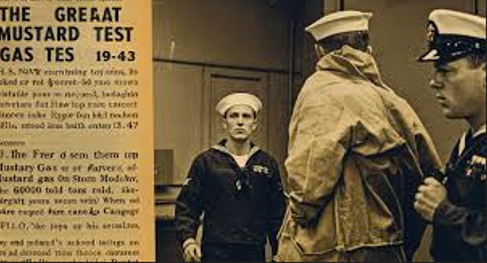
The Rawalpindi experiments were one of the darkest and most shameful acts carried out under British rule in India. In the 1930s and 1940s, hundreds of Indian soldiers—serving the British Army—were forced into gas chambers at a military site in Rawalpindi.
British scientists from Porton Down, the United Kingdom’s top chemical weapons research centre, tested mustard gas on these soldiers to see how much the human body could endure.
Human Lives Treated as Lab Samples
These were not volunteers. The soldiers were chosen because they were Indian and had little power to refuse. Many were told they were helping with “training,” not dangerous chemical testing. They were made to wear only shorts and cotton shirts, then sent into chambers filled with poisonous mustard gas. Soon, painful blisters spread across their skin, their eyes swelled shut, and their lungs burned. Many were hospitalized for severe burns that never fully healed. Some carried lifelong scars or internal illnesses after the experiments ended.
The researchers took notes while the soldiers screamed in pain. Their aim was to measure how the gas affected Indian skin compared to British skin. It was science built on cruelty—an example of how colonizers saw Indian lives as tools, not as equals.
The Cover-Up
When the war ended, this horrific story was buried. The British government locked away the files in secret archives for more than sixty years. The truth came to light only in 2007, when classified military papers were finally released. Even then, British officials refused to apologize. They called it an act of its “time and context,” avoiding responsibility for the lives they had destroyed.
This secrecy was deliberate. If the truth had been public, Britain’s image as a noble, civilizing empire would have shattered. The same country that tells students about the evils of Nazi gas chambers remained silent about using gas chambers on its own colonial soldiers. That silence shows how history is written by those in power—and edited to protect their pride.
Why the British Empire Is Still Romanticised
In many British schools and media, the empire is still painted as a success story—building railways, bringing “law,” and spreading English education. But the blood behind that story is rarely mentioned: the Bengal Famine and the burns of Rawalpindi. This easy, polished version of history helps Britain see itself as heroic rather than oppressive. It hides the truth that empire was built on violence, greed, and racial arrogance.
What India Should Remember
The soldiers who were burned in Rawalpindi were our own countrymen, fighting in someone else’s war, sacrificed in the name of imperial science. They deserve remembrance, not silence. The British Empire may have ended in 1947, but its selective storytelling continues. To challenge it, we must remember what they want the world to forget—the smell of mustard gas in Rawalpindi, and the screams of men who were treated as expendable. That truth is India’s history, and reclaiming it is an act of justice.
References
1.https://en.wikipedia.org/wiki/Rawalpindi_experiments
2.https://www.instagram.com/p/DBEL4UiRVeJ/?igsh=amtvanh0aWI5bG5y
3. https://en.wikipedia.org/wiki/Porton_Down?
4.https://aje.io/lb4k31