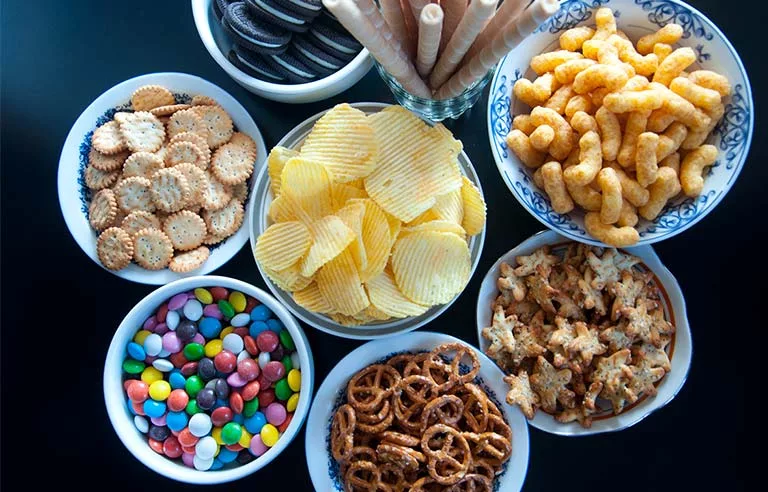

(Asian independent) In the modern era of luxury of exceptional food landscape, ultra-processed foods (UPFs) have become the necessity of dominating supermarket aisles, fast-food menus and the diets of millions worldwide. These products are engineered for convenience, palatability, and prolonged shelf-life, yet they occupy a paradoxical position in nutrition science: while satisfying consumer demands, mounting evidence links them to adverse health outcomes.
DEFINING ULTRA-PROCESSED FOODS
The term ultra-processed foods originates from the food classification system, which categorizes foods based on the extent and purpose of industrial processing.Standard agencies stratifies foods into four groups:
1. Unprocessed or minimally processed foods (e.g., fresh fruits, vegetables, whole grains).
2. Processed culinary ingredients (e.g., oils, sugar, salt).
3. Processed foods (e.g., canned vegetables, cheeses, smoked meats).
4. Ultra-processed foods (e.g., soft drinks, packaged snacks, reconstituted meat products).
UPF typically contain multiple ingredients, including additives such as emulsifiers, colorants, artificial flavors and preservatives, which are seldom used in home cooking. They are designed for high sensory appeal and often undergo complex chemical engineering.
PROS OF ULTRA-PROCESSED FOODS
Despite their controversial reputation, UPFs offer several advantage particularly from socio-economic and consumer convenience perspectives:
ACCESSIBILITY AND AFFORDABILITY: Economies of scale drive down costs, making UPFs affordable to low-income populations who might otherwise face food insecurity.
CONVENIENCE:
Ready-to-eat or ready-to-heat formats suit busy lifestyles, reducing the time and effort required for meal preparation.
STABILITY AND SAFETY:
Extended shelf-lives and food safety interventions (e.g., pasteurization) reduce spoilage and microbial risk, important in regions with limited refrigeration.
Nutrient fortification:
Some UPFs are fortified with essential vitamins and minerals to address specific nutrient deficiencies in populations.
These attributes explain their pervasive presence in global food systems, especially in urban centers with fast-paced living.
CONS OF ULTRA-PROCESSED FOODS
In contrast, UPFs are linked to several nutritional and health concerns:
HIGH ENERGY DENSITY:
Many UPFs are calorie-dense yet nutrient-poor, contributing to positive energy balance and weight gain.
POOR NUTRITIONAL PROFILE:
They often contain excessive added sugars, unhealthy fats (especially trans and saturated fats) and sodium, while lacking dietary fiber and phytonutrients essential for metabolic health.
ADDITIVES AND HEALTH EFFECTS:
Artificial additives though generally recognized as safe but are under investigation for subtle metabolic, immunologic, or microbiome-altering effects.
These nutritional drawbacks pose significant public health challenges, particularly as dietary patterns shift globally toward greater UPF consumption.
HEALTH IMPACTS OF ULTRA-PROCESSED FOOD CONSUMPTION
Extensive studies and scientific researches has linked high UPF intake with a spectrum of health outcomes:
OBESITY AND METABOLIC DISORDERS
Multiple studies has demonstrated an association between UPF consumption and increased risk of obesity, insulin resistance, type 2 diabetes and dyslipidemia.
Mechanisms include:
Increased caloric intake due to hyper-palatability and reduced satiety.
Rapid digestion and glycemic response.
Promotion of adipogenesis via high fructose and refined carbohydrate content.
CARDIOVASCULAR DISEASE
High sodium and unhealthy fat content contribute to hypertension. Elevated UPF intake correlates with higher incidence of coronary heart disease and stroke in diverse populations.
GASTROINTESTINAL AND MICROBIOME EFFECTS
Emerging research indicates that artificial emulsifiers and low fiber may alter gut microbiota composition, influencing systemic inflammation, gut barrier integrity and metabolic regulation.
CANCER RISKS
While results vary by cancer type, some large-scale prospective studies suggest associations between high UPF intake and increased risk of colorectal, breast and other cancers, potentially mediated by obesity and additive exposure.
MENTAL HEALTH AND COGNITIVE OUTCOMES
Recent investigations explore links between UPF consumption and depression, anxiety and cognitive decline — pathways potentially involving inflammation, nutrient insufficiency and neuroendocrine signaling.
THE CRAZE AMONGST TEENS
Adolescents represent a demographic with disproportionately high UPF consumption. Several interrelated factors contribute to this trend:
MARKETING AND MEDIA INFLUENCE: Aggressive advertising through social media, television and influencers normalizes UPF consumption while associating products with desirability and trendiness.
PEER CULTURE AND IDENTITY FORMATION:
Teens often use food choices to express identity and belonging, with UPFs embedded in social rituals.
CONVENIENCE AND AUTONOMY:
As teens seek independence, easy access to UPFs — at school canteens or vending machines — enables self-directed eating.
Sensory appeal:
The engineered flavor profiles of UPFs (high sugar, salt, and fat) strongly stimulate reward pathways in the brain, reinforcing preference and habit formation.
These drivers intersect with broader socio-economic dynamics, creating an environment where UPFs are not merely foods but cultural commodities.
The scientific consensus underscores the need for caution in UPF consumption. However, reduction strategies must be equitable and culturally sensitive:
Nutrition education aimed at improving food literacy from early schooling.
Policy interventions such as taxation on sugar-sweetened beverages, front-of-package labeling and restrictions on marketing to children.
Food system reforms promoting access to wholesome, minimally processed foods regardless of socio-economic status.
Effective strategies require collaboration between policymakers, educators, healthcare professionals, industry stakeholders and communities.
Ultra-processed foods embody both the ingenuity and the challenges of modern food systems. While offering convenience and accessibility, their widespread consumption — particularly among vulnerable groups such as adolescents — poses significant health risks.
SURINDERPAL SINGH
FACULTY IN SCIENCE DEPARTMENT
SRI AMRITSAR SAHIB PUNJAB.
click on the link below to download ‘The Asian Independent App’
https://play.google.com/store/apps/details?id=in.yourhost.theasianindependent
https://play.google.com/store/apps/details?id=in.yourhost.theasianindependent