THE ASIAN INDEPENDENT UK

Bal Ram Sampla
Geopolitics
When cartoons depicting the Prophet Muhammad appeared in European newspapers, Muslim countries erupted in protest. Boycotts were organized, embassies were recalled, and angry crowds filled the streets. When France passed laws restricting religious symbols in schools, Islamic nations condemned it as an attack on Muslim identity. Yet when China detains over a million Muslims in camps, forces them into labour, and systematically erases their culture, these same countries remain remarkably quiet.
This silence reveals a troubling double standard that exposes the gap between religious rhetoric and political reality.
Two Very Different Responses
The contrast could not be more striking. Muslim-majority countries are quick to speak out against what they see as Western Islamophobia. They organize through the Organization of Islamic Cooperation (OIC), issue joint statements, and demand apologies. Their message is clear: attacks on Muslim identity and religious freedom will not be tolerated.
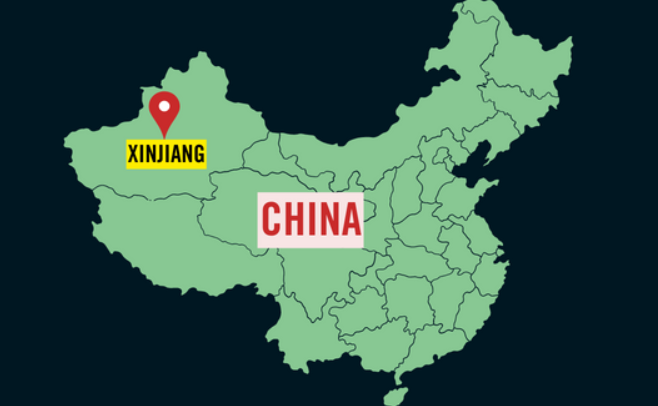
But when it comes to China’s treatment of Uyghurs and other Muslims in Xinjiang, the response has been the opposite. Instead of condemnation, many Muslim countries have actively been silent China’s policies. Saudi Arabia, Pakistan, Egypt, and dozens of others have turned a blind eye on China’s approach.
This is not simply a case of staying neutral. These countries have gone out of their way to remain silent at international forums, blocking investigations and rejecting criticism from human rights groups.
Following the Money
The reason for this double standard is not hard to find: money and power.
China has become the economic lifeline for many Muslim countries. Through its Belt and Road Initiative, China has invested hundreds of billions of dollars in infrastructure projects across the Islamic world. For countries like Pakistan, which receives massive Chinese investment, or Saudi Arabia, which sees China as a key market for its oil, maintaining good relations with Beijing is seen as essential.
Western countries, by contrast, can absorb criticism without cutting off trade or investment. China has shown it will use economic punishment against countries that challenge its policies. When Norway gave the Nobel Peace Prize to a Chinese dissident, China froze diplomatic relations and blocked Norwegian salmon imports. The message was clear: cross us and pay the price.
The Human Cost of Silence
This economic calculation comes at a human cost. While Muslim leaders stay silent, Uyghur families are separated, mosques are demolished, and an entire culture faces erasure. Reports from international observers paint a picture of systematic oppression that would normally trigger outrage in the Muslim world.
Children are separated from their parents and placed in state-run schools where they are forbidden to speak their native language. Adults are forced to abandon religious practices and participate in programs designed to strip away their cultural identity. Those who resist face imprisonment in what China calls “vocational training centers” but which former detainees describe as concentration camps.
If these same policies were implemented by a Western government, the response from Muslim countries would be swift and severe. The fact that they are happening in China, with barely a whisper of protest, shows how economic interests can override religious solidarity.
A Test of Values
This situation serves as a test of whether Muslim countries truly stand for the principles they claim to defend. When they condemn Islamophobia in the West while ignoring far worse treatment in China, they reveal that their outrage is selective and often driven more by politics than principle.
The silence also undermines the credibility of these countries when they do speak out against discrimination elsewhere. How can they demand that Western nations respect Muslim rights while turning a blind eye to systematic persecution in China?
Conclusion
The silence of Muslim countries toward China’s treatment of Muslims in Xinjiang is more than just hypocrisy – it is a betrayal of the very principles these nations claim to uphold. When economic interests consistently trump religious solidarity, the credibility of the entire movement to combat Islamophobia is undermined.
Until Muslim countries are willing to apply the same standards to China that they apply to the West, their calls for religious freedom and respect for Muslim rights will sound like empty rhetoric. The Uyghurs of Xinjiang deserve better than this calculated silence, and the Muslim world deserves leaders who will stand up for their values regardless of the economic cost.
References
1.https://www.amnesty.org/en/latest/news/2025/08/china-still-no-accountability-for-crimes-against-humanity-in-xinjiang-three-years-after-major-un-report/
2. https://www.ushmm.org/genocide-prevention/countries/china/report-eight-years-on-chinas-repression-of-the-uyghurs-remains-dire
3. https://www.hrw.org/report/2021/04/19/break-their-lineage-break-their-roots/chinas-crimes-against-humanity-targeting
4.https://www.dol.gov/agencies/ilab/against-their-will-the-situation-in-xinjiang
5.https://thediplomat.com/2023/12/muslim-majority-countries-complicity-in-the-uyghur-genocide/