

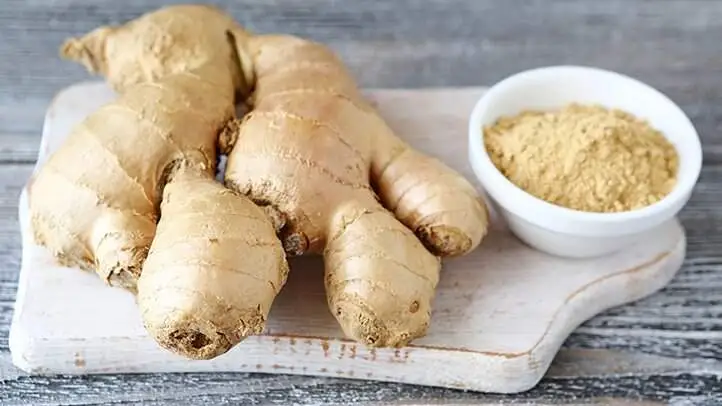

(Asian independent) Ginger (Zingiber officinale) has been largely being used as human medicine and cuisine since centuries ago yet modern science is researching to find new dimensions of its biological value. This aromatic rhizome, native to Southeast Asia, carries a rich profile of bioactive compounds, most notably gingerols, shogaols, paradols and zingerone—each contributing to its therapeutic potential. In an era where natural health interventions are gaining increasing scientific attention, ginger stands out as one of the most deeply researched botanicals. Its benefits extend across metabolic health, gastrointestinal function, anti-inflammatory pathways and even cancer biology.
NUTRITIONAL AND PHYTOCHEMICAL FOUNDATION OF GINGER
Ginger’s medicinal capacity lies primarily in its phytochemical complexity. The most studied compounds include:
- Gingerols – potent anti-inflammatory and antioxidant molecules found in fresh ginger; 6-gingerol is the most prominent.
- Shogaols – formed from gingerols when ginger is dried or heated; often more concentrated and more bioactive.
- Zingerone – associated with antioxidant and digestive benefits.
- Essential oils – including zingiberene and β-bisabolene, contributing to antimicrobial and immunomodulatory properties. PROVEN HEALTH BENEFITS OF GINGER Anti-inflammatory and Antioxidant Effects
Chronic inflammation contributes to many modern diseases, including cardiovascular disorders, metabolic syndromes and cancers. Ginger’s gingerols and shogaols have been shown to inhibit pro-inflammatory cytokines and oxidative stress markers. Clinical trials indicate that ginger supplementation can reduce inflammation in conditions such as osteoarthritis, with effects comparable to non-steroidal anti-inflammatory drugs (NSAIDs) but without their side effects. Gastrointestinal Support
Ginger is traditionally used to ease nausea, vomiting, indigestion and bloating. Evidence demonstrates that ginger:
- Enhances gastric emptying
- Reduces intestinal spasms
- Modulates serotonin receptors involved in nausea
It is particularly effective during pregnancy, post-operative recovery and chemotherapy-induced nausea.
Metabolic and Cardiovascular Health
Research has identified ginger’s role in:
- Lowering fasting blood glucose and improving HbA1c in type 2 diabetes
- Reducing LDL cholesterol and triglycerides
- Supporting microcirculation
These benefits stem from improved glucose metabolism and reduced oxidative stress.
Antimicrobial and Immune Support
Ginger extracts exhibit antimicrobial properties against bacteria such as E. coli, Salmonella, and Staphylococcus aureus. It also modulates immune responses by enhancing macrophage activity and reducing inflammatory stress during infection.
CAN GINGER PREVENT CANCER? A Scientific Perspective
Ginger is frequently discussed in the context of cancer prevention, yet it is important to maintain scientific precision. Research does not claim that ginger cures cancer; instead, studies indicate that its compounds may create conditions that lower cancer risk or slow progression in laboratory models.
Mechanisms Observed in Research
Ginger’s anticancer potential involves several biological mechanisms:
- Induction of apoptosis (programmed cell death) in cancerous cells
- Inhibition of angiogenesis, which restricts tumor blood supply
- Reduction of oxidative DNA damage
- Anti-inflammatory modulation of pathways linked to tumor formation
Laboratory studies show promising effects against cancers of the colon, pancreas, breast, prostate and ovaries.
Human Studies: What Is Known
Human clinical evidence is still emerging. Early-stage trials suggest ginger can:
- Reduce biomarkers of colorectal inflammation
- Lower oxidative stress markers linked to carcinogenesis
However, ginger should be viewed as a preventive dietary component, not a therapeutic alternative to medical cancer treatment.
GINGER AND ALKALINE WATER: Scientific Explanation
Alkaline water is defined by its pH level (>7.0), often achieved through minerals or plant infusions. While ginger itself is slightly acidic in its raw state, the process of infusing ginger in water leads to the release of alkaline-forming minerals such as potassium, magnesium and calcium. During metabolism, ginger breaks down into compounds that have alkaline-forming effects on the body.
How Ginger Helps Create Alkaline Water
When ginger is boiled or infused:
- Mineral ions are released into the water.
- Essential oils and gingerols shift the water’s alkalizing effect.
- The resulting drink can raise urinary pH and reduce gastrointestinal acidity.
This does not change blood pH (which remains tightly regulated), but it can support digestive comfort and reduce acid reflux.
PRACTICAL WAYS TO USE GINGER
Fresh Ginger Consumption
- Sliced or grated into meals.
- Added to soups, curries, and stir-fries.
- Incorporated into smoothies or herbal blends. Ginger Tea
Simmering fresh or dried ginger enhances the release of gingerols and shogaols. Adding lemon or honey can enrich antioxidant and antimicrobial effects.
Ginger Alkaline Water: Simple Preparation
Boiled Method
- Boil 1–2 liters of water.
- Add 8–10 thin slices of fresh ginger.
- Simmer for 10–15 minutes.
- Cool and drink throughout the day.
Cold-Infusion Method
- Add 4–5 slices of ginger to a glass bottle.
- Refrigerate for 6–8 hours.
- Drink as a mild, refreshing alkaline infusion. Dried or Powdered Ginger
Dried ginger has stronger concentrations of shogaols:
- Useful in teas, baking, or medicinal tonics
- Often used in Ayurveda for respiratory and digestive concerns Ginger Supplements
Available as capsules or extracts, often standardized for 6-gingerol. Appropriate for individuals requiring consistent dosing, but should be taken under medical guidance.
Ginger remains one of nature’s most scientifically validated botanicals, bridging traditional wisdom and modern medicine. Its array of bioactive compounds provides anti-inflammatory, antioxidant, metabolic, antimicrobial and potential anticancer benefits. While ginger is not a cure for disease, its preventive and supportive roles in human health are both meaningful and well-documented. Whether consumed fresh, infused into alkaline water, brewed as tea, or used in supplements, ginger continues to stand out as a powerful, accessible, and widely applicable natural health resource. As research advances, ginger’s role in preventive medicine and integrative healthcare is likely to grow even stronger.
SURINDERPAL SINGH
FACULTY IN SCIENCE DEPARTMENT SRI AMRITSAR SAHIB PUNJAB .
click on the link below to download ‘The Asian Independent App’
https://play.google.com/store/apps/details?id=in.yourhost.theasianindependent