
THE ASIAN INDEPENDENT UK

Bal Ram Sampla
Geopolitics
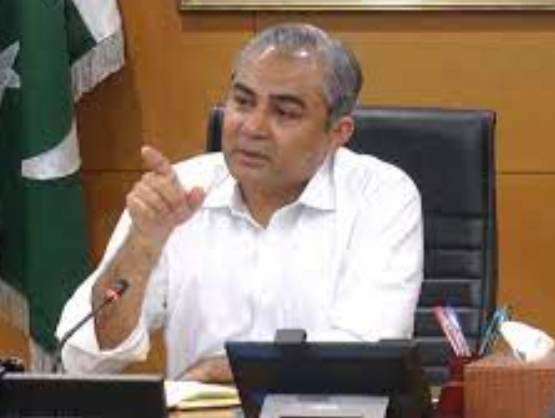
The Indian/Pakistan handshake saga is a fast breaking news. This is how I understand how geopolitics is being played. Mohsin Naqvi holds three powerful positions at the same time:
1.Pakistan’s Interior Minister,
2.Chairman of Pakistan Cricket Board,
3.President of the Asian Cricket Council.
This gives him incredible power that no cricket administrator has ever had before. The recent Asia Cup handshake controversy and Pakistan’s threats to boycott aren’t really about cricket—they’re part of a bigger political game that Naqvi is playing very cleverly.
Three Jobs, Triple Power
Naqvi is the first person to hold these three important positions together:
(1) Interior Minister (since March 2024), Controls Pakistan’s internal security and has real political power
(2) PCB Chairman (since February 2024), Controls Pakistan cricket completely
(3) ACC President, controls Asian Cricket Council and can influence other countries
This combination gives him power that other cricket chairmen never had. He can make political decisions as Interior Minister, control Pakistani cricket as PCB Chairman, and influence other Asian countries through the ACC. No one else has ever had this much power in cricket.
The Andy Pycroft Drama: Creating Problems on Purpose
The match referee Andy Pycroft probably told the captains not to shake hands because he wanted to avoid any drama and just get the match played. He was trying to keep things calm. But Naqvi turned this into a huge controversy and demanded Pycroft be removed immediately.
Why? Because Naqvi knew this controversy would serve him in several ways:
1. Test the new ICC Chairman
Jay Shah just became ICC Chairman in December 2024. By creating this problem, Naqvi is testing how strong Shah is and whether he will bow to Pakistani pressure.
2. Score points at home
Pakistani people like it when their leaders stand up to India. This makes Naqvi look strong domestically.
3. Show other countries Pakistan won’t be pushed around
This sends a message to other cricket boards that Pakistan under Naqvi will fight back hard.
The controversy isn’t really about Andy Pycroft—it’s about Naqvi establishing his power and testing everyone else’s resolve., Naqvi’s response—demanding Pycroft’s removal and threatening tournament boycott—serves multiple strategic purposes that extend beyond the immediate cricket controversy. The timing is telling, coming just months after Jay Shah assumed the ICC chairmanship in December 2024. This isn’t coincidental; it’s calculated political theatre designed to test the new ICC leadership while establishing Naqvi’s own authority in the cricket circles.
The Jay Shah Test: Early Pressure on New Leadership
By creating this controversy so early in Jay Shah’s ICC tenure, Naqvi achieves several strategic objectives.
First, he forces the new ICC Chairman into an impossible position—support Pycroft and appear to favor Western officiating against Asian concerns, or remove Pycroft and appear to bow to Pakistani pressure. Either outcome serves Naqvi’s broader agenda of establishing that Pakistan cannot be ignored or marginalized.
Second, it sends a clear message to other ICC member boards that Pakistan under Naqvi’s leadership will not accept decisions they perceive as unfavourable without significant pushback. This positions Pakistan as a power that must be consulted and accommodated in future ICC decision-making.
Third, it tests Shah’s independence from Indian political influence. Shah’s position as the son of India’s Home Minister Amit Shah already creates perception challenges regarding his neutrality. Naqvi’s early confrontation forces Shah to demonstrate either his independence or confirm Pakistani suspicions about ICC bias.
ACC Presidency: Building Regional Alliances
Naqvi’s role as ACC President provides the perfect platform for this political manoeuvring. The Asian Cricket Council represents a significant voting bloc within the ICC, and Naqvi can potentially rally other Asian boards behind Pakistan’s position. Countries that have their own grievances with ICC governance or Indian cricket’s influence might find common cause with Pakistan’s stance.
This regional alliance-building serves multiple purposes. It builds Pakistan’s voice within ICC structures, provides Naqvi with political capital to spend on various cricket matters, and positions him as a leader of Asian cricket interests against Western or Indian dominance. The ACC presidency transforms what might otherwise be isolated Pakistani complaints into potential coalition positions.
But main problem with Naqvi’s move is that India generates approximately 80% of cricket revenue. No country wants to go against India as it relies on India as main source of revenue.
Domestic Political Calculations
As Pakistan’s Interior Minister, Naqvi operates under domestic political pressures that cricket administrators typically don’t face. Taking a strong stance against perceived Indian favouritism or ICC bias plays well with Pakistani public opinion. Given that some Pakistanis are already criticizing his cricket administration for poor team performance, creating external controversies helps deflect attention from domestic cricket failures.
The Boycott Threat: Calculated Brinksmanship
Pakistan’s threat to boycott the Asia Cup over the Pycroft issue represents sophisticated brinksmanship rather than emotional reaction. Naqvi understands that actual boycotts often backfire, as Pakistan learned from missing various tournaments in the past. However, the threat of boycott creates leverage without the actual costs.
This strategy puts pressure on ICC and tournament organizers to accommodate Pakistani concerns while avoiding the reputational damage that comes from teams walking away from competitions. It’s a calculated risk that maximum pressure can be applied through threats rather than actual withdrawal.
One of main complaint concerns Indian captain, SuryaKumar Yadav (SKY).
By highlighting SKY’s interview after the match. He dedicated the win to the victims of Pahalgam and the bravery of the Armed Forces.
Pakistain complaint that the interview contravenes ICC cricketing rules. Furthermore, no handshake, broke the ‘ spirit of the game’.
The problem with Pakistan, it is okay for its players like Mohammad Rizwan, to offer Nawaz after scoring a century and dedicate their win to Palestinians of Gaza. When others do it, it becomes an issue.
The Bigger Game
The handshake controversy must be viewed within the broader context of Naqvi’s strategic approach to cricket administration. His forceful positions during the Champions Trophy hosting disputes, his early confrontational stance with the ICC, and his alliance-building through the ACC presidency all point to a comprehensive strategy to enhance Pakistan’s influence in world cricket.
Beyond Current Controversies
While critics might dismiss Naqvi’s approach as unnecessarily confrontational or politically motivated, it reflects a sophisticated understanding of how power operates in international cricket. The ICC, despite its global mandate, operates through member board politics where influence and alliances determine outcomes as much as formal procedures.
Naqvi’s triple role positions him uniquely to play this game. His domestic political authority provides him with resources and backing that purely cricket administrators lack. His regional cricket leadership gives him coalition-building opportunities. His understanding of political timing and leverage creation suggests a long-term strategy to enhance Pakistan’s cricket influence.
Conclusion: Politics as Cricket Administration
The handshake saga and its aftermath reveal how modern cricket administration increasingly resembles political maneuvering rather than traditional sports governance. Mohsin Naqvi using cricket controversies as vehicles for broader political and institutional objectives.
Whether one applauds or criticizes his methods. His ability to create leverage from controversy, build alliances across multiple platforms, and advance Pakistani interests while appearing to defend broader principles suggests a sophisticated political operator who understands that in modern cricket, the real game is often played far from the cricket field.
Reference
1.https://zeenews.india.com/cricket/asia-cup-2025-handshake-controversy-what-really-happened-between-india-and-pakistan-captains-2957982.html