THE ASIAN INDEPENDENT UK

Bal Ram Sampla
Geopolitics
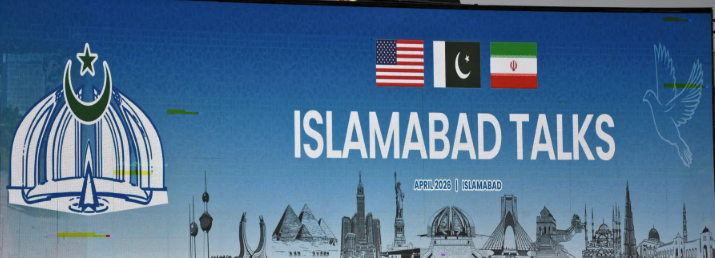
Pakistan had a rare chance to matter on the world stage. As a fragile ceasefire between the United States and Iran took hold, Islamabad had positioned itself as the neutral ground — the quiet, steady host that would bring the two sides to the table. It was a diplomatic coup in the making. Then Khawaja Asif picked up his phone.
On the morning of April 9, 2026, Pakistan’s Defence Minister posted a message on X that called Israel “evil” and “a curse for humanity.” He described it as a “cancerous state” built on Palestinian land, and said he hoped its founders would “burn in hell.” It was the kind of language you might hear at a protest rally, not from a cabinet minister of a country presenting itself as a peacemaker.
Within hours, the post was gone — deleted in what looked like a panicked reversal. But by then, the damage was done.
“You cannot call for a country’s annihilation in the morning and ask to be trusted as a neutral broker in the afternoon.”
The timing was almost comically bad. US and Iranian delegations were literally in the air, en route to Islamabad, when the post went up. Israel’s response was swift and furious. Netanyahu’s office called the remarks “outrageous” and said they were incompatible with any claim to mediation. Israel’s Foreign Minister went further, arguing that describing a nation as “cancerous” is not criticism — it is a call for annihilation. US Ambassador to Israel Mike Huckabee piled on. Suddenly, the talk wasn’t about the peace talks — it was about whether Pakistan could be trusted to host them at all.
Asif’s remarks were not a slip of the tongue. He has form. In January, he called Netanyahu “the biggest criminal of humanity” and suggested Turkey should kidnap him. In March, he described Zionism as “a threat to humanity.” Each time, his words reflected genuine popular sentiment in Pakistan, where support for the Palestinian cause runs deep. But a personal conviction and a diplomatic statement are very different things, and Asif has repeatedly failed to grasp the distinction.
What made this incident particularly revealing was what happened next. Reports quickly emerged that Pakistan’s powerful Army chief, General Asim Munir, had personally intervened to have the post taken down. If true, it exposed a familiar fault line in Pakistani politics: the civilian government saying one thing while the military scrambles to manage the fallout.
In the end, the US–Iran talks did go ahead in Islamabad as planned. Pakistan’s diplomats worked hard to keep the process on track, and the episode was not quite the disaster it might have been. But the gaffe left a mark. Pakistan’s credibility as a neutral broker — already a stretch given the country’s well-documented sympathies — took a serious hit. And the world was reminded, once again, that in diplomacy, it is not only what you do that matters. Sometimes, it is what you post.
References
1.https://sundayguardianlive.com/world/us-israel-iran-war-news-pakistan-defence-minister-khawaja-asif-calls-israel-evil-curse-for-humanity-deletes-post-after-netanyahus-strong-warning-182893/
2.https://www.middleeasteye.net/news/pakistani-defence-minister-calls-israel-curse-humanity-deleted-x-post-ahead-us-iran-talks
3. https://www.newsx.com/world/was-it-asim-munir-who-made-pakistan-defence-minister-khawaja-asif-delete-his-evil-post-on-israel-new-report-sparks-growing-military-control-amid-us-iran-talks-197009/
4.https://www.timesofisrael.com/liveblog_entry/pakistani-defense-minister-deletes-x-post-calling-cancerous-israel-a-curse-for-humanity/
5.https://organiser.org/2026/04/10/348083/world/pakistan-calls-for-annihilation-of-israel-as-jews-are-curse-for-humanity-pm-netanyahu-slams-the-mediating-terror-state/